
Accelerated tire wear in new energy vehicles
With the continuous increase in the number of new energy vehicles in China, the problem of abnormal tire wear (commonly known as "tire uneven wear") has become increasingly prominent, becoming a common pain point faced by many car owners in daily use.
Based on recent aftermarket test data and maintenance statistics, the normal replacement cycle for tires on traditional fuel vehicles is generally 60,000 to 80,000 kilometers, while the replacement cycle for tires on mainstream new energy vehicles has been significantly shortened to 30,000 to 50,000 kilometers, with a significantly faster rate of wear.
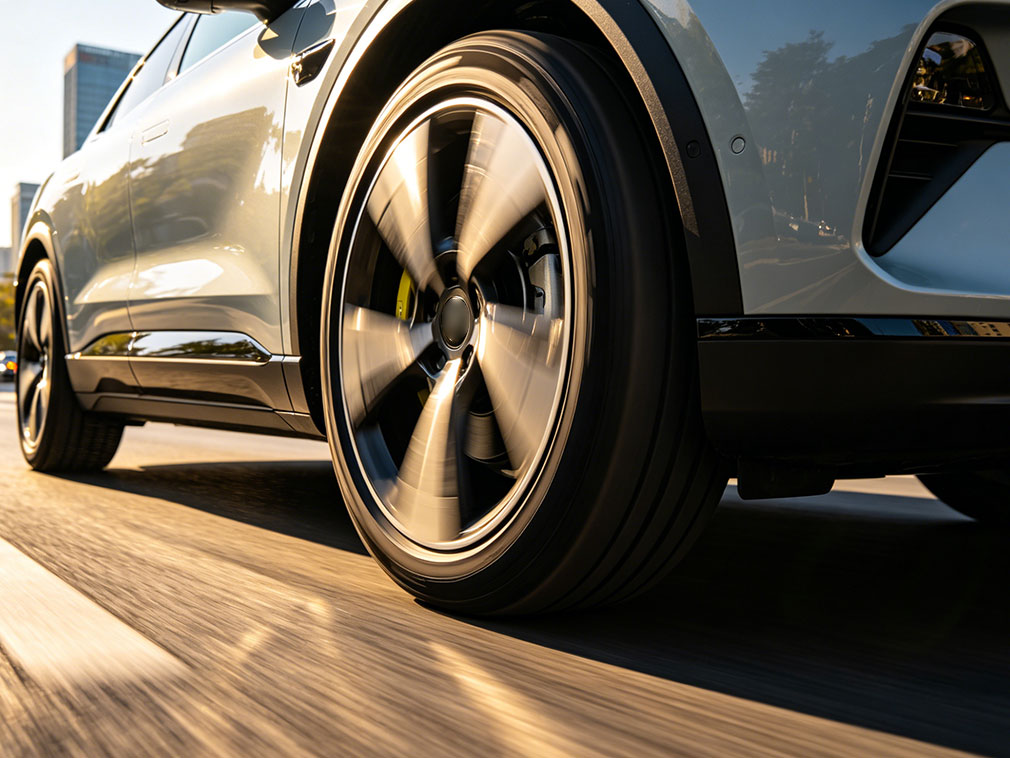
This change has not only driven a concentrated release of after-sales maintenance demand for new energy vehicles but has also opened up new growth space for the high-quality, specialized tire market.
The accelerated tire wear and frequent occurrence of uneven wear in new energy vehicles are not due to quality defects in the tires themselves, but rather to a combination of objective factors, including the unique structural design and power output characteristics of new energy vehicles. Compared to fuel vehicles of the same class, new energy vehicles generally have a 200 to 500 kg higher curb weight due to the need to house large-capacity power batteries in the chassis.
This means the vehicle is under a higher load for extended periods, leading to increased tire contact pressure and greater tread deformation, continuously accelerating rubber wear and aging. Meanwhile, the drive motor's ability to instantly output peak torque allows for strong power delivery without requiring increased engine speed during start-up and acceleration. This can easily lead to intense friction between the tire tread and the road surface, even slight slippage. Over time, this results in typical "tire wear" issues such as uneven inner wear and excessive localized damage.
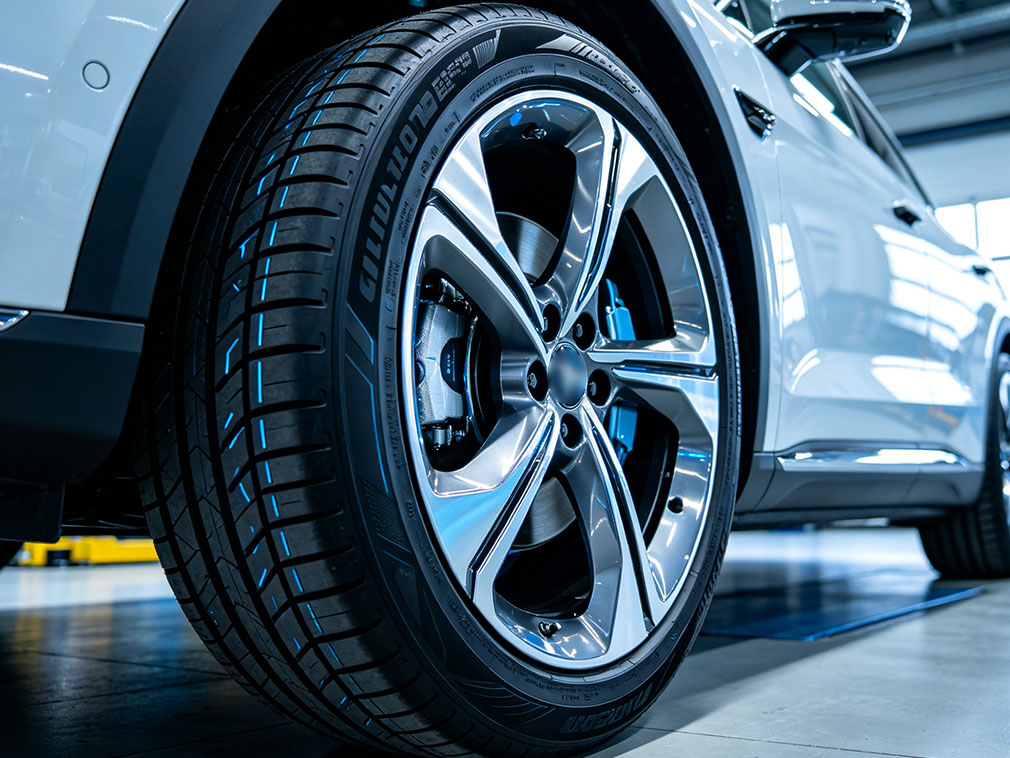
Furthermore, to ensure a comfortable driving experience, new energy vehicles generally use tires designed for quietness and comfort. These tires employ softer rubber compounds and finer tread patterns, effectively reducing road noise and filtering out road bumps. However, compared to traditional wear-resistant tires, their wear resistance is somewhat weakened.
In addition, the kinetic energy recovery system, standard on new energy vehicles, exerts a continuous drag braking effect on the drive wheels when decelerating, altering the tire's normal stress state and further accelerating localized tire wear, significantly reducing overall tire lifespan. Daily urban commuting and frequent start-stop driving scenarios amplify this wear problem.
The significantly shortened tire replacement cycle directly drives a surge in demand for after-sales maintenance and repairs for new energy vehicles. In traditional gasoline-powered vehicle usage scenarios, tires are long-life consumable parts with low maintenance frequency and relatively stable market demand. However, the high-frequency tire replacement characteristic of new energy vehicles is making tire maintenance a regular, essential need for car owners. Currently,
China's new energy vehicle market has entered a stage of large-scale stock, with many early models entering their concentrated tire replacement period. Aftermarket tire replacement demand continues to rise, driving a steady increase in the proportion of tire-related revenue for auto maintenance shops.
This shift in market demand is also forcing the tire industry to upgrade its product structure, presenting a precise opportunity for new energy-specific tires. Traditional universal tires for gasoline-powered vehicles are no longer fully adapted to the special operating conditions of new energy vehicles, such as heavy loads, instantaneous high torque, and regenerative braking, easily leading to problems like rapid wear, insufficient grip, and inadequate noise reduction.
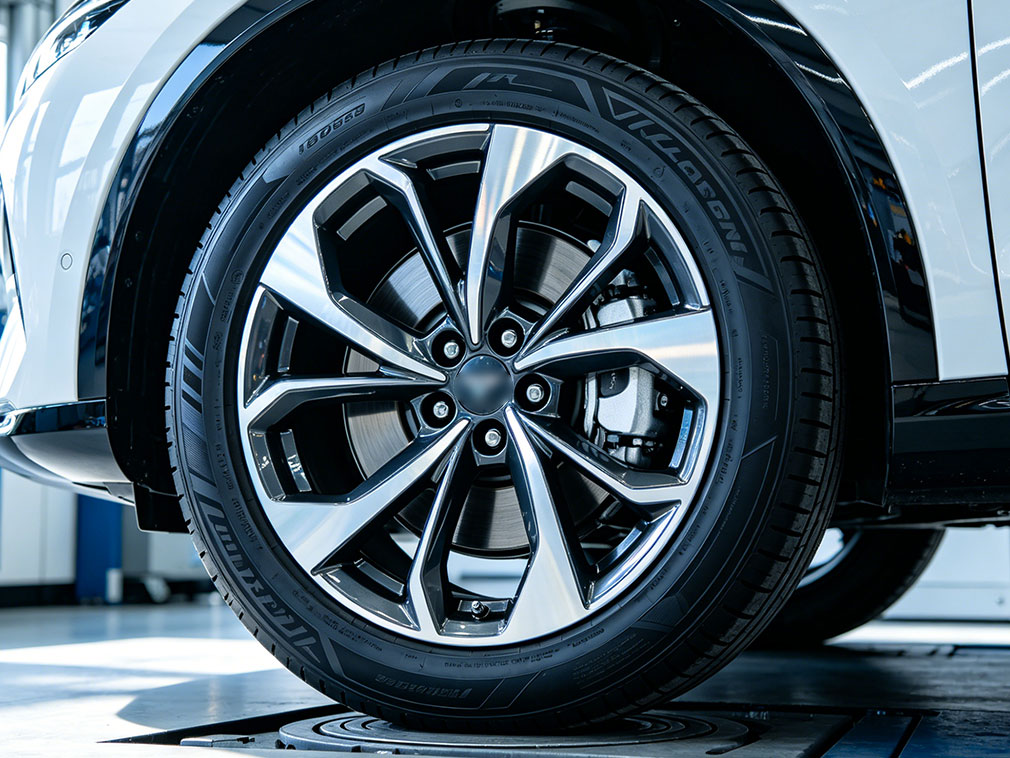
Therefore, major tire manufacturers are continuously increasing their investment in the research and development and production of new energy-specific tires, specifically optimizing tire structure, rubber compound, and tread design to balance load-bearing capacity, wear resistance, noise reduction, and acceleration grip, adapting to the actual usage needs of various new energy vehicle models such as sedans and SUVs.
Currently, the market penetration rate of tires specifically designed for new energy vehicles is steadily increasing. Compared with ordinary general-purpose tires, specialized products are gaining increasing recognition from users due to their better adaptability to various operating conditions and longer actual service life.
With the continuous iteration of new energy technologies and the steady growth in vehicle ownership, car owners are increasingly demanding higher standards for tire compatibility and safety. Low-end general-purpose tires will gradually be phased out of the market, and high-performance, specialized new energy tires are expected to become mainstream, further expanding the industry's growth potential and driving the transformation and upgrading of the new energy vehicle aftermarket towards refinement, specialization, and quality.




