
EV Tire: Low Rolling Resistance Trend
With the continued penetration of the domestic new energy vehicle market, the demand structure of both the original equipment and aftermarket replacement markets is undergoing fundamental changes. EV-specific tires and low rolling resistance tires are rapidly replacing traditional general-purpose tires, becoming the mainstream trend in the industry.
The latest industry data from 2026 shows that low rolling resistance EV-specific tires account for over 90% of original equipment tires for new energy vehicles, and their penetration rate in the aftermarket replacement market continues to climb, profoundly reshaping the product iteration and competitive landscape of the tire industry.
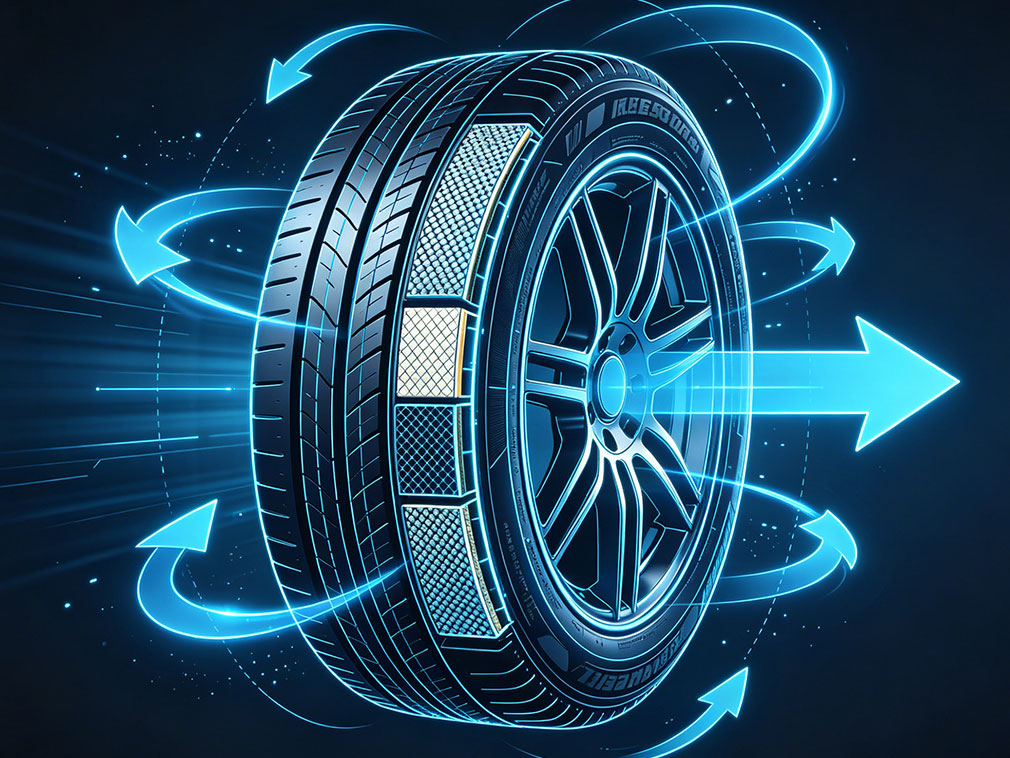
Compared to traditional fuel vehicle tires, new energy vehicles are heavier, have stronger instantaneous torque at startup, have stringent requirements for range, and place greater emphasis on driving quietness. Ordinary tires are no longer fully adaptable to the specific operating conditions of new energy vehicles, forcing the tire industry to complete a structural upgrade.
Low rolling resistance performance is a core indicator of EV-specific tires and is key to adapting to the usage scenarios of new energy vehicles. During driving, tire rolling resistance is one of the main sources of vehicle energy consumption, directly affecting the actual range of electric vehicles. Industry test data shows that by optimizing material formulations and tire structure, high-quality low rolling resistance tires can reduce their rolling resistance coefficient by 15% to 20%.
With the same battery capacity, this can help new energy vehicles increase their actual driving range by 3% to 5%, and in the long term, effectively reduce users' charging frequency and energy consumption costs. Driven by both the "dual-carbon" policy and users' energy-saving needs, low rolling resistance performance has transformed from a secondary parameter into a crucial reference standard for automakers' tire selection and consumers' tire purchases.
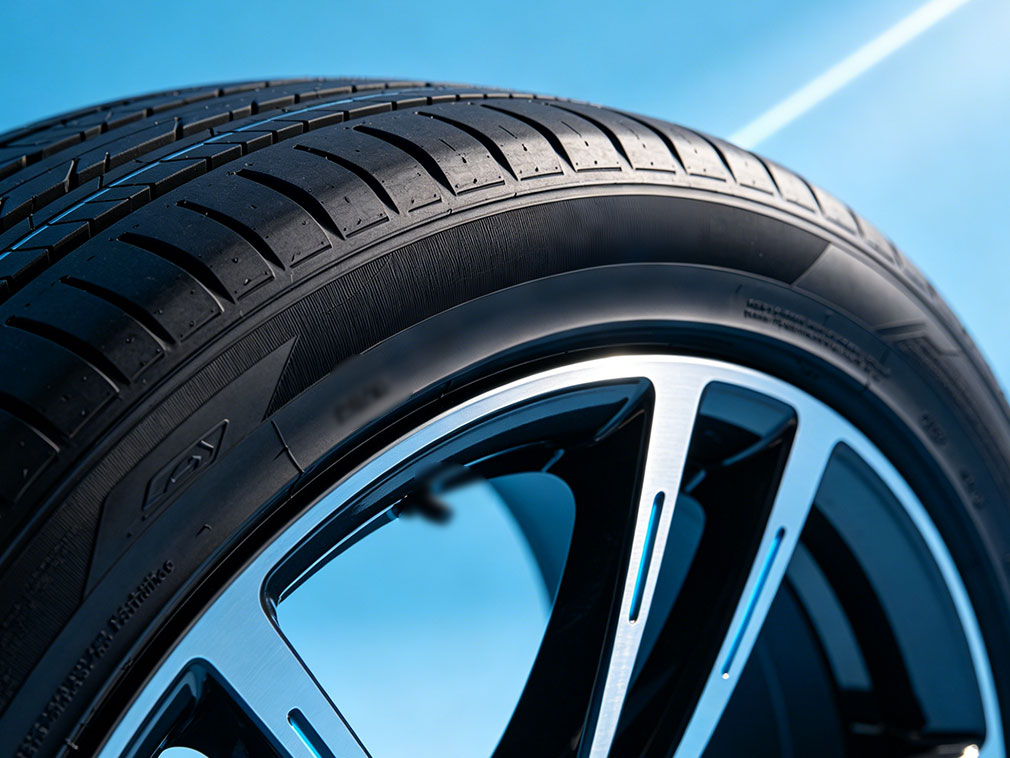
To balance low rolling resistance performance with overall driving performance, major tire companies continued to drive technological iteration in 2026, abandoning the design approach of solely pursuing low rolling resistance and shifting to a research and development route that balances multiple performance aspects such as "energy saving, safety, and comfort."
On the materials side, the industry is accelerating the popularization of new high-performance raw materials such as neodymium butadiene, combined with nanocomposite fillers and optimized vulcanization processes, to significantly improve tire wear resistance while reducing rolling resistance, better adapting to the high-frequency start-stop driving characteristics of new energy vehicles. Structurally, EV-specific tires utilize a reinforced carcass.
By thickening the sidewalls and enhancing tread rigidity, they effectively support the battery weight of new energy vehicles, alleviating the problems of traditional tires being prone to deformation and rapid wear. Simultaneously, optimized tread pattern layout effectively reduces driving noise, meeting the higher quietness requirements of new energy vehicles.
The shift in market demand is driving continuous optimization of the industry landscape. The market share of low-end general-purpose semi-steel tires continues to shrink, while high-end, specialized, and energy-saving tire products are rapidly gaining market share.
Currently, low rolling resistance EV-specific tires have become the mainstream choice, both for original equipment manufacturing by major automakers and in the offline replacement market. At the same time, the replacement cycle of new energy tires is also showing new characteristics: specialized tires adapted to new energy driving conditions have more stable service lives, and replacement cycles are becoming more standardized, further activating the vitality of this niche market.
Global market data shows that the EV low rolling resistance tire market continues to grow steadily, maintaining a high compound annual growth rate, and its development potential is constantly being released.
From a long-term industry development perspective, with the continuous upgrading of new energy vehicle technology and the increasing energy-saving awareness of users, low rolling resistance and specialization will remain the core development paths for the tire industry.
In the future, tire companies will continue to focus on material innovation, structural optimization, and green manufacturing, while ensuring driving safety and improving ride comfort, and continuously reducing tire energy consumption to create a full-chain green and energy-saving product system.
-
National Day Highway Charging Hits Record: +60.4% YoY(Oct 8)8264
-
New Energy Vehicle Exports Accelerate: 3.435 Million Units in First 8 Months, Up 120% Year-on-Year(Oct 8)8882
-
Chinese Tire Exports: Volume Up But Revenue Down Nearly RMB 900 Per Ton(Oct 8)5408
-
CNH Industrial: Smart Farming, NE and Local Tech(Sep 30)5575
-
CNHTC Drives Surging NE Heavy Truck Exports(Sep 30)8500




