
A Lifeline for Domestic Tire Exporters
The domestic tire export industry is currently facing a period of difficulty. A sharp rise in shipping costs, coupled with increasingly stringent trade barriers in European and American markets, is squeezing the profits of foreign trade companies, and the competitive advantage in traditional mainstream markets is gradually fading.
Against this backdrop, most domestic tire manufacturers and exporters are proactively adjusting their overseas expansion strategies, gradually reducing their reliance on European and American markets, and focusing on developing emerging markets such as ASEAN and the Middle East to find new growth points.
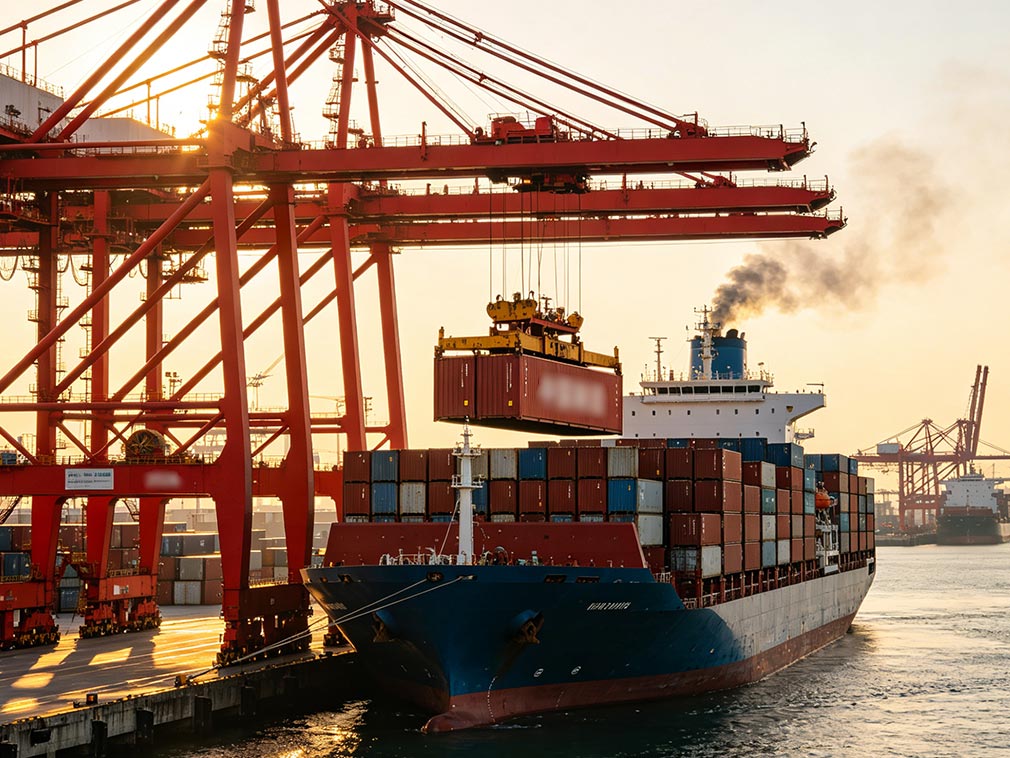
The core reason for this round of soaring tire export costs is the significant increase in international shipping rates. At the end of May 2026, major global shipping companies such as Maersk, CMA CGM, MSC, and Hapag-Lloyd issued a series of price increase notices, announcing increases in freight rates and peak season surcharges on several major international routes, effective June 1st. Data shows that as of the end of May, the Shanghai Export Container Freight Index had risen for five consecutive weeks, reaching a new high since September 2024.
Among them, the freight rate for a 40-foot container on the Asia-Europe route increased by more than 60% month-on-month, significantly increasing the cross-border logistics costs for tire companies. Tires are bulky goods with relatively low value per container, making ocean freight costs a significant portion of total export costs. Soaring freight rates have directly led to a substantial reduction in profits per export shipment, with some small and medium-sized exporters even facing the predicament of breaking even or making no profit at all.
In addition to the pressure of ocean freight costs, the escalating trade barriers imposed by Europe and the United States have further blocked traditional export channels, increasing the industry's operational pressure. The United States has long maintained anti-dumping and countervailing duties on Chinese truck and bus tires, with high tariffs continuously raising entry barriers and significantly weakening the price advantage of domestically produced tires.
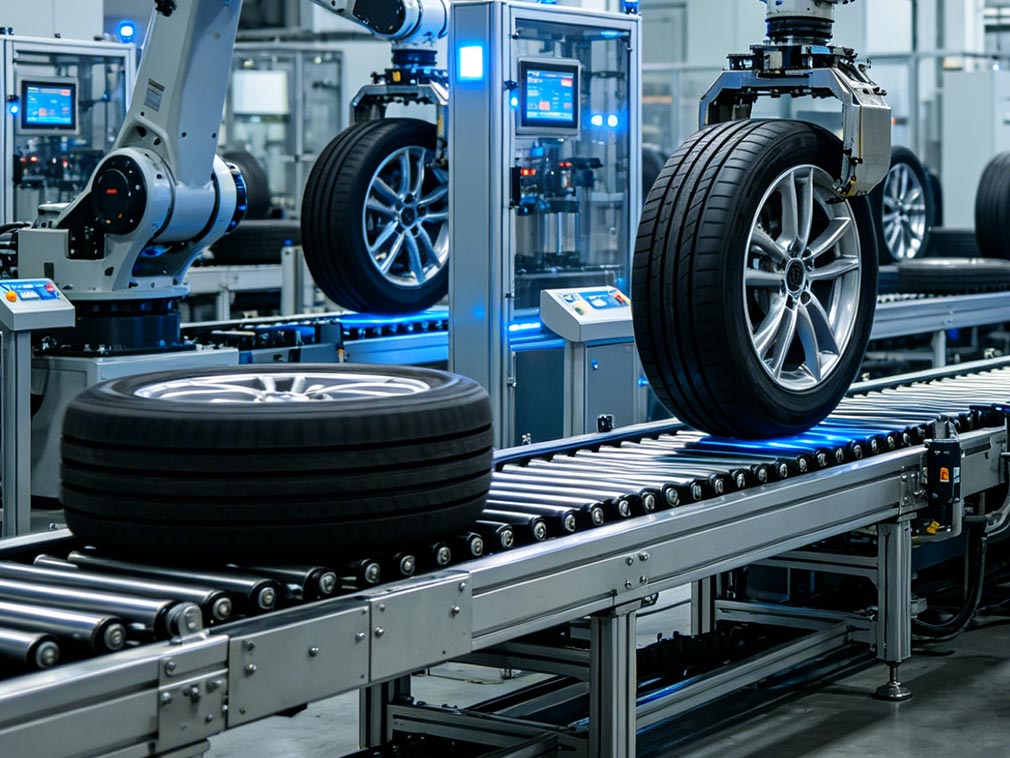
On the EU side, trade restrictions continue to intensify: in May 2026, the revised EU Zero Forest Deforestation Act and its supporting measures officially came into effect, raising the green compliance entry threshold for tire products; simultaneously, the final anti-dumping ruling on Chinese passenger car and light truck tires, expected to be implemented in June, proposes to impose high anti-dumping duties.
These dual trade barriers have significantly increased the difficulty for domestic tire companies to expand into the European market. Meanwhile, consumer demand in European and American markets is approaching saturation, coupled with regional inflation, leading to intensified market competition and further squeezing the survival space of domestic tire manufacturers.
Faced with this dual pressure from traditional markets, domestic tire companies are shifting their foreign trade strategies, diversifying their market layout, and focusing their development on emerging potential markets such as ASEAN, the Middle East, and Latin America.
These emerging markets offer significant advantages: firstly, ongoing infrastructure development and a steady increase in car ownership have created strong demand for tire replacement and original equipment, continuously releasing consumer potential; secondly, relatively relaxed regional trade policies, the absence of stringent tariffs and green trade barriers, shorter logistics distances, and lower costs effectively guarantee export profits for companies.
Currently, many large domestic tire companies have already taken the lead in establishing these markets, cultivating them by setting up dedicated overseas sales teams, building local distribution networks, and optimizing product structures to suit local road conditions and consumer demands.
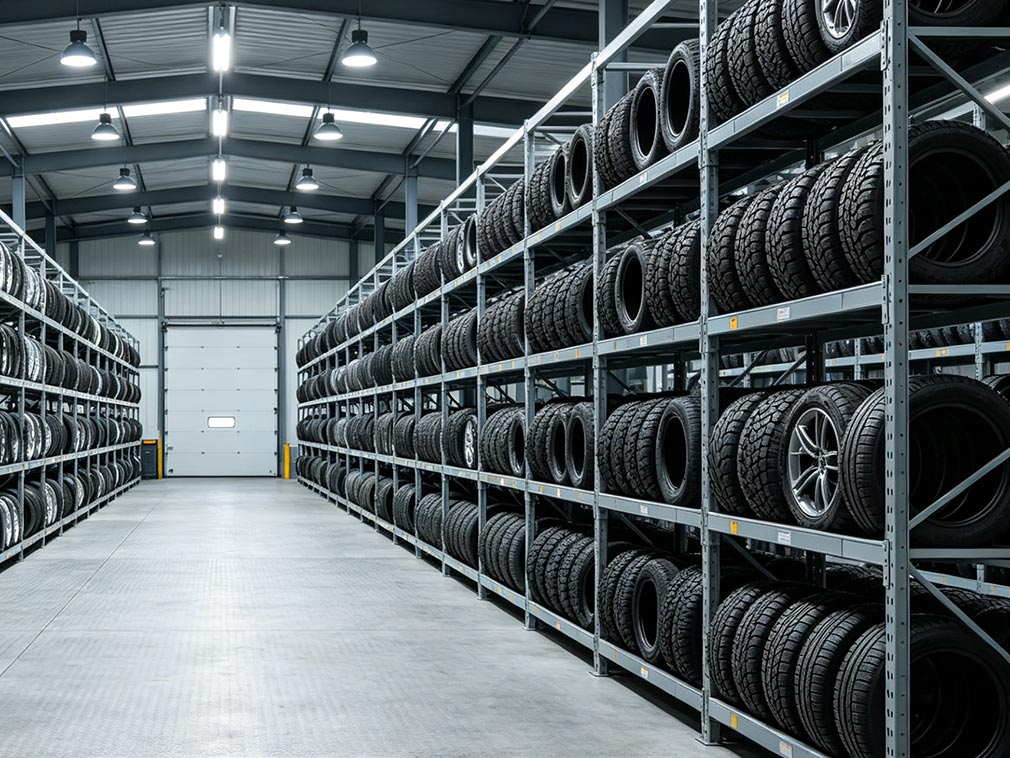
Simultaneously, leveraging the regional trade cooperation advantages between China and ASEAN and many Middle Eastern countries, customs clearance efficiency and trade facilitation have been significantly improved, effectively reducing cross-border business risks. Industry data shows that in the second quarter of 2026, domestic tire export orders to ASEAN and the Middle East continued to climb, effectively offsetting the export decline in the European and American markets and becoming a core support for stabilizing the industry's exports.
Industry insiders stated that the restructuring of the tire industry's foreign trade landscape is now clear. Short-term fluctuations in shipping rates and trade barriers from Europe and the United States will continue, making market diversification an inevitable trend for the industry.
Going forward, domestic tire companies will continue to cultivate emerging markets, while enhancing their core competitiveness through optimizing production processes, strictly controlling production costs, and improving product quality. This will gradually reduce their dependence on a single market and achieve steady and sustainable development of their foreign trade business.




