
Tire Blowout Prevention Tips
As the only core component of a vehicle in contact with the ground, tires bear the weight of the entire vehicle, cushion road vibrations, and ensure grip; their condition directly affects driving safety. In daily driving, tire blowouts are a frequent and highly dangerous sudden malfunction, especially at high speeds, in hot weather, and on long journeys, easily triggering chain traffic accidents and threatening the lives and property of passengers.
Most tire blowout accidents are not sudden accidents, but rather the result of long-term tire wear, lack of maintenance, and the accumulation of hidden dangers. Therefore, recognizing the risks of tire blowouts and adhering to regular inspections and timely tire replacement are essential safety knowledge for every car owner.
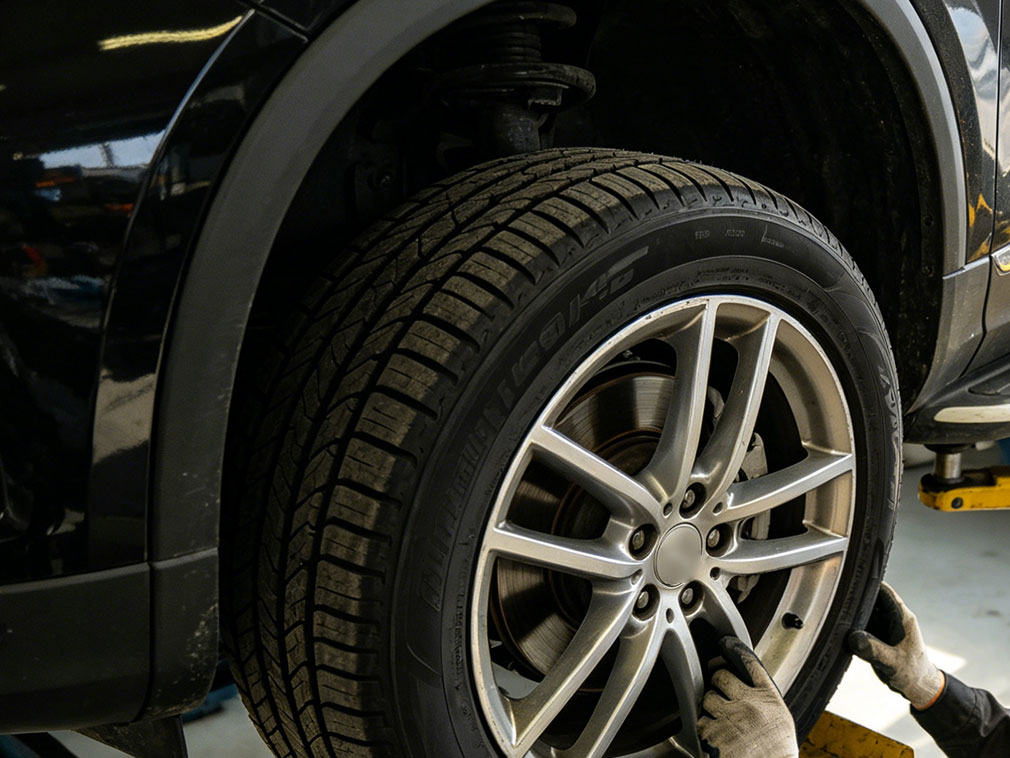
The dangers of tire blowouts are extremely sudden and destructive, with risks present throughout the entire driving process. The higher the speed, the more severe the consequences of a tire blowout. When a front tire blows out, the tire instantly loses support, and the vehicle immediately veers sharply to the side of the blowout, vibrates violently, loses steering control instantly, and the driver is unable to correct the direction, easily crashing into guardrails, oncoming vehicles, or pedestrians, causing collisions or even rollovers.
While a rear tire blowout doesn't directly cause loss of steering control, it can cause violent swaying and rear-end drifting, leading to skidding and fishtailing. On busy highways and urban expressways, this can easily trigger chain-reaction collisions.
Besides the direct risk of a collision, a tire blowout creates multiple safety hazards. A sudden blowout instantly disrupts the vehicle's balance, causing drivers to panic and slam on the brakes or jerk the steering wheel, further increasing the likelihood of loss of control. Simultaneously, the punctured tire rubber and steel wire fragments scattered on the road become road obstructions, threatening the safety of following vehicles and potentially causing secondary accidents.
Furthermore, tires that have been driven with defects for a long time are not only more prone to blowouts but also exhibit irregular wear and unstable tire pressure, affecting braking performance and handling precision, shortening the lifespan of vehicle components, and increasing operating costs.
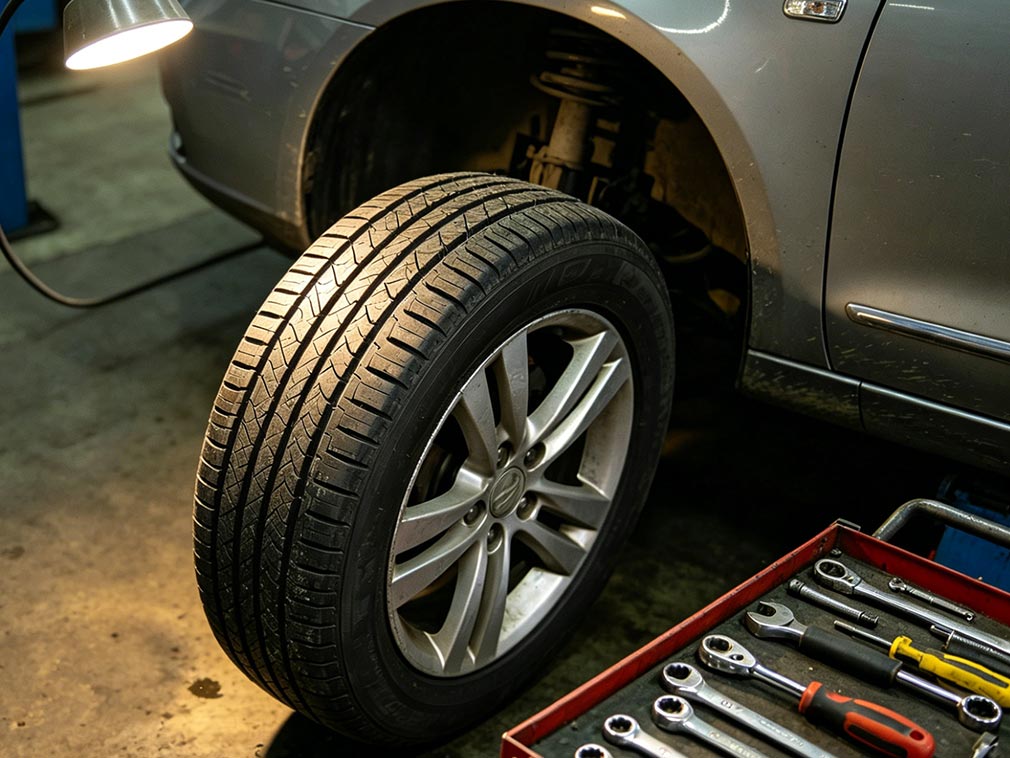
Based on recent road traffic safety data, tire aging, abnormal tire pressure, excessive wear, and external damage are the four core causes of tire blowouts. These hazards can be prevented through routine maintenance. In hot weather, tires continuously rub against the road surface, causing a rapid increase in internal temperature and pressure.
This accelerates rubber aging, making them prone to bulges and cracks in the tread. In cold winter weather, tire rubber hardens and loses its toughness, making it susceptible to hidden damage from road debris and potholes.
Daily driving, running over stones, metal fragments, and curbs, as well as prolonged speeding and overloading, all continuously degrade tire performance, increasing the risk of tire blowouts. Many car owners neglect tire maintenance, continuing to use tires even when the treads are worn down and the sidewalls are cracked, significantly increasing the probability of a blowout.
Preventing the risk of tire blowouts hinges on routine inspections and timely replacement, establishing a "prevention first" driving philosophy. It's essential to develop the habit of checking tire pressure monthly, preferably when the engine is cold, ensuring the tire pressure remains within the vehicle's recommended range and avoiding excessively high or low pressure.
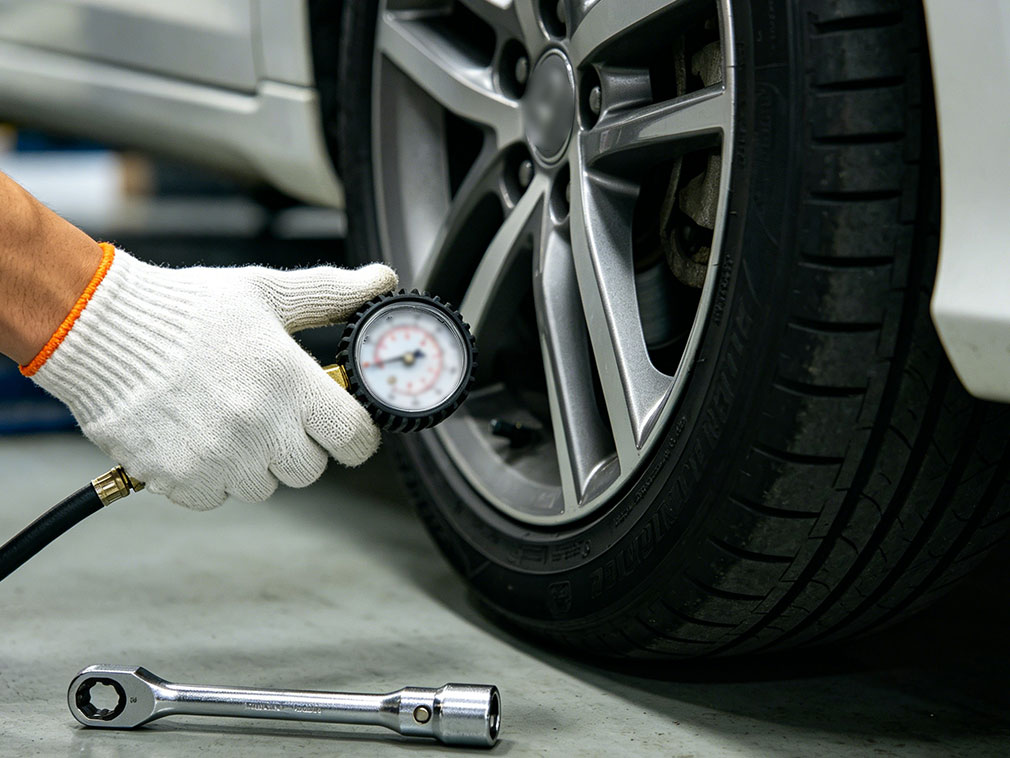
A specific tire pressure check is mandatory before long-distance or highway trips. In addition, regularly clean stones and debris from the tire tread grooves, carefully inspect the tread and sidewalls for cracks, bulges, scratches, punctures, or other damage, and check tire wear. When the tread wears down to the level of the markings, the tires must be replaced immediately.
Furthermore, regularly have your tires balanced and aligned at a reputable service center to reduce uneven tire wear and driving vibrations. Replace tires after 50,000 to 60,000 kilometers, or after 3 to 5 years of use, based on their condition and wear.
Avoid prolonged parking in direct sunlight, avoid uneven pressure on one side of the wheels, and refrain from actions that could damage tires, such as sudden acceleration, hard braking, and high-speed cornering.
Tire safety is paramount; meticulous maintenance habits can effectively mitigate most tire blowout risks, building a strong safety barrier for every journey.




