
All-Season Tires: Niche Not Mainstream Yet
North America, Western Europe, and Central Europe are the markets with the highest sales and deepest penetration of all-season tires globally. Only here can all-season tires consistently erode the market share of traditional summer/winter tires. The situation in China is completely different.
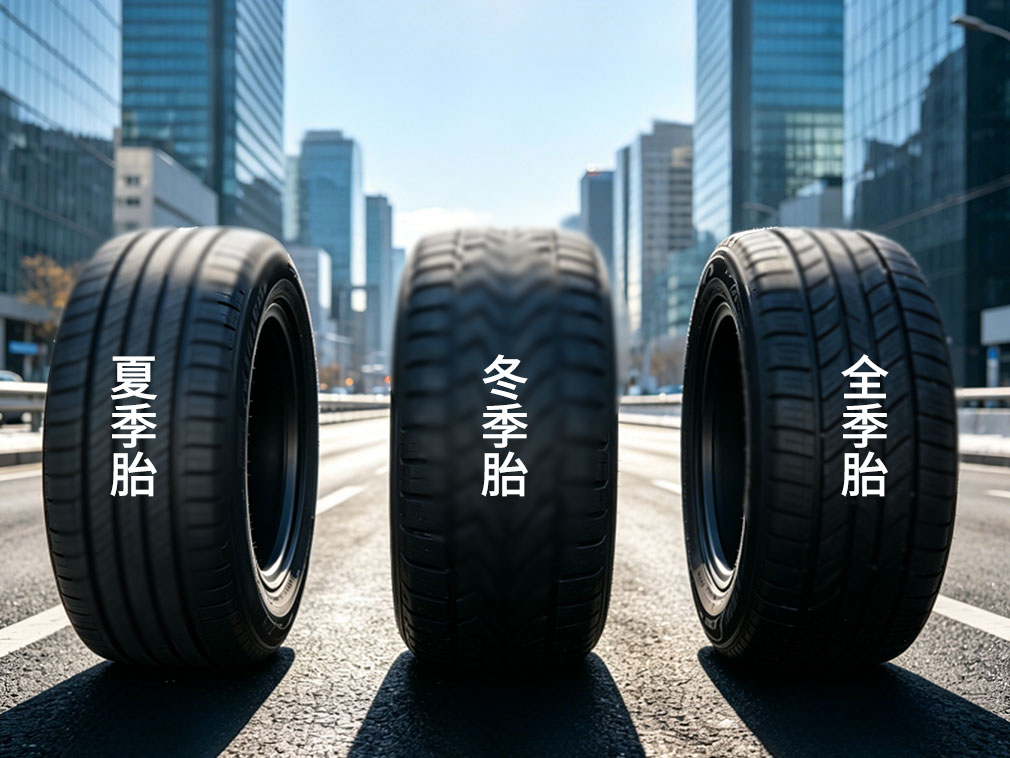
Statistics from 2025/2026 show that all-season tires account for over 63% of the North American passenger car replacement tire market, and remain stable at over 36% in temperate regions of Western and Central Europe. However, the overall penetration rate in the domestic passenger car market is less than 10%, with only a small amount circulating in a few southern cities, and almost no choice in frigid regions like Northeast China and Xinjiang.
The dilemma of all-season tires is that they can handle some road conditions, but not all. Tire performance hinges on the rubber compound and tread pattern. Specialized tires are developed for specific scenarios, with the industry using 7°C as a dividing line for operating ranges.
Summer tires have harder rubber with a higher proportion of hard carbon black, making them more wear-resistant and heat-resistant. They don't soften easily at high speeds when road surface temperatures exceed 50°C.
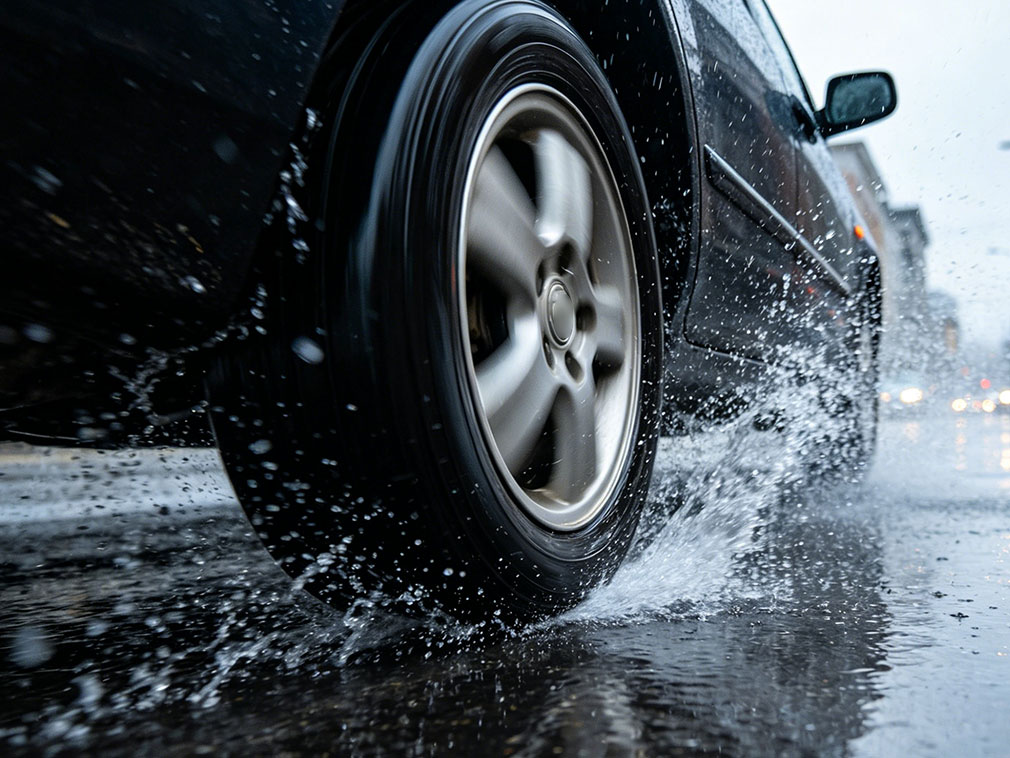
Their large, rigid tread blocks with wide, straight drainage grooves provide accurate steering on dry surfaces, hydroplaning resistance in wet conditions, and low rolling resistance at high temperatures, improving fuel efficiency.
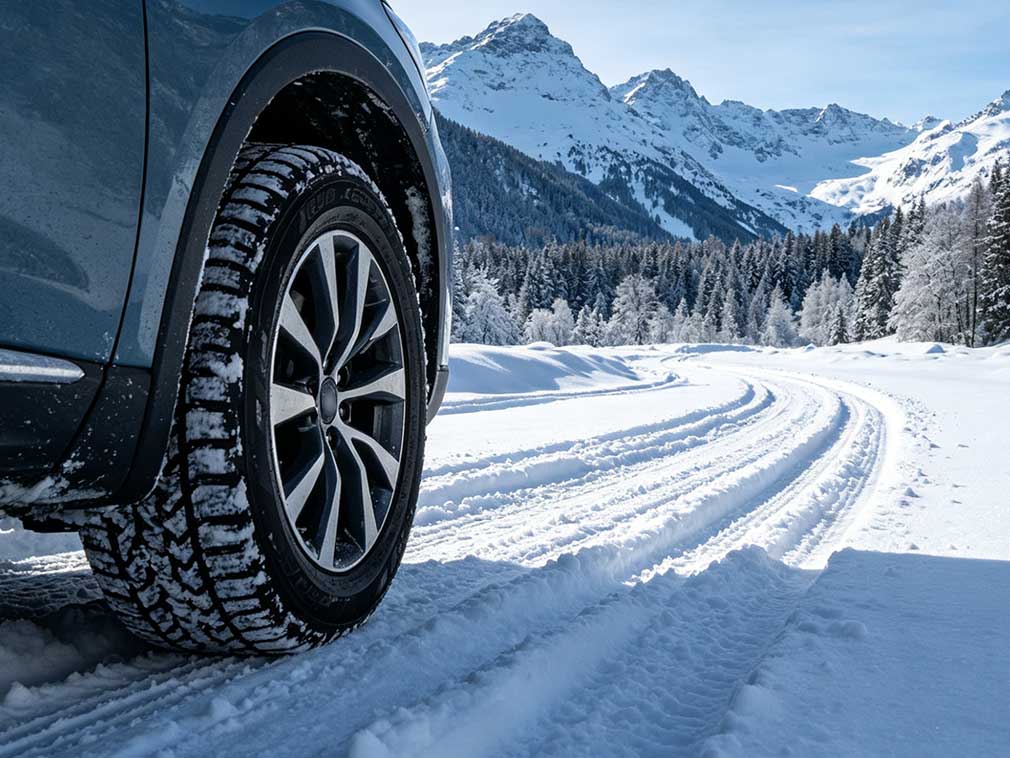
Winter tires use a high proportion of natural soft rubber with low-temperature activating agents, remaining flexible even at -20 to -30 degrees Celsius. Their dense, fine sipes and deep serrated tread pattern effectively engage snow and remove water film from icy surfaces. Real-world testing on icy and snowy roads shows that winter tires of the same specifications have braking distances more than 30% shorter than all-season tires.
All-season tires, however, must be suitable for all seasons, requiring compromises in their formula and tread pattern. The "try to do everything, but don't excel at anything" mentality is ingrained in their design. The rubber hardness falls between summer and winter tires, and the groove depth and tread density are also averaged. Under sustained high temperatures, rubber heat loss is significantly faster than in summer tires, drastically shortening their lifespan with prolonged high-speed driving.
On icy and snowy roads in Northeast China where temperatures often drop below -10 degrees Celsius, the rubber hardens rapidly, reducing grip, increasing braking distance, and causing sluggish steering. The risk of slipping and loss of control is far higher than with professional winter tires bearing snowflake and mountain peak markings.
While some new all-season tires are 3PMSF certified and can handle light snowfall in urban areas, their safety shortcomings remain apparent in situations involving continuous freezing rain or deep snow accumulation. The real driving force behind the difference in demand between domestic and international markets lies in the cost of vehicle ownership and related services. North American car owners generally prefer not to change tires frequently due to high labor costs.
In 2026, the average price for tire removal, installation, and wheel balancing in the US and Canada was equivalent to RMB 600 to 1300. Renting winter rims and changing them twice a year easily costs over RMB 2000 in labor expenses. Urban apartments and townhouses often lack spare garages, and professional storage costs RMB 400 to 1000 per season.
Winter tire storage and rim rental services at service points are not yet fully integrated into packages, often only offering short-term storage. For ordinary car owners, installing all-season tires once and not changing them for the entire year saves the hassle of appointments, queues, and tire storage, making it the most cost-effective and effortless option. This is the fundamental reason why North America leads the world in all-season tire sales.
Western and Central European countries followed different paths but achieved similar results. Temperate countries like Germany, France, and the UK have mild temperature variations, short periods of extreme heat and cold, and most cities experience occasional light snow in winter, making professional winter tires unnecessary for daily commutes.
While the Alps and some Nordic countries have mandatory winter snow tire regulations, all-season tires certified by 3PMSF are legally allowed on the road. Drivers don't need two sets of tires, directly boosting demand. Furthermore, local automakers generally pre-install all-season tires on new cars, leading to a stable consumer habit of using only one set of tires year-round.
The service ecosystem in the domestic market is almost the opposite. Seasonal tire installation and replacement, along with wheel balancing, at stores typically costs only around 100 yuan. Many stores offer free storage for unused tires, and some northern stores even offer winter tire rentals and wheel sharing, keeping the cost of seasonal tire use very low.
Climateally, domestic demand is polarized: in the south, where there is no sustained snow or ice throughout the year, summer tires are sufficient; in the Northeast, Inner Mongolia, and northern Xinjiang, winters last for four to five months with icy roads, safety is paramount. In 2024, the winter tire installation rate in the three northeastern provinces was nearly 70%, with drivers willing to switch to dedicated tires for extreme road conditions.
In the central regions of North China and the Yellow River Basin, with scorching summers and freezing winters, the shortcomings of all-season tires are fully exposed, making it difficult to convince consumers who prioritize practicality and safety.
The difference in consumer perception has further amplified the divergence. European and American service providers have long presented cost-effectiveness calculations to consumers, emphasizing the high cost of seasonal tire changes while downplaying safety warnings for extreme road conditions.
Domestic industry promotion, on the other hand, focuses on the specialized performance of tires, extensively explaining the advantages of summer/winter tires in extreme weather, leading car owners to generally believe that seasonal tire selection is more reliable.
In the short term, even with continued improvements in all-season tire compounds and materials, the penetration rate gap between domestic and international markets will persist due to the triple constraints of climate, service costs, and consumer habits.
All-season tires are only suitable for areas with mild temperature variations and no prolonged periods of extreme rain, snow, or freezing; currently, they are not yet a mainstream category widely used throughout China.




