
High-end Tire Defect Insights
High-end tire brands on the market have never relied on marketing hype to gain a foothold, but rather on decades of technological accumulation and reputation built through market experience. Major international brands such as Continental (Germany), Bridgestone (Japan), and Michelin (France) have been deeply involved in the tire industry for nearly a century, possessing solid technological foundations.
They participate in various high-profile motorsport events year-round, testing tire performance and accumulating core data under extreme conditions such as high speeds, high temperatures, and complex, rough roads in Formula 1, the Dakar Rally, and the WRC. They then continuously improve and adapt their track-specific core technologies, gradually transferring them to civilian passenger car tires, allowing ordinary car owners to enjoy the performance improvements brought by racing-grade technology.
The Pirelli P Zero series is a typical example. This tire was originally designed for supercars and high-performance racing cars, specifically to handle the demanding scenarios of extreme acceleration and high-speed cornering. Its unique run-flat technology allows the vehicle to continue driving at a safe speed for a short distance even after a tire puncture and zero pressure, significantly reducing the fatal risk of a high-speed tire blowout.
Originally designed for racing, this technology, after numerous civilian-use improvements, is widely used in luxury sedans and mid-to-high-end performance vehicles, becoming a hallmark of high-end tire safety.
However, despite its advanced technology, current mainstream luxury comfort tires still have several real shortcomings, making them difficult to perfectly adapt to the daily driving scenarios of ordinary car owners. Their cost-effectiveness and practicality are significantly limited.
Firstly, the price is relatively high, with a significant brand premium, while the actual improvement in experience is quite limited. Currently, a complete set of high-end quiet comfort tires sold through official channels often costs 2 to 3 times more than ordinary mainstream tires, with even greater price differences for some fully imported flagship models.
From a real-world driving experience perspective, ordinary high-quality tires are perfectly adequate for the comfort and quietness needs of daily urban commuting and regular highway driving, offering a sufficiently excellent user experience. Upgrading to high-end comfort tires only further optimizes minor bumps and tire noise; the experience is merely icing on the cake, unlikely to bring a revolutionary improvement.
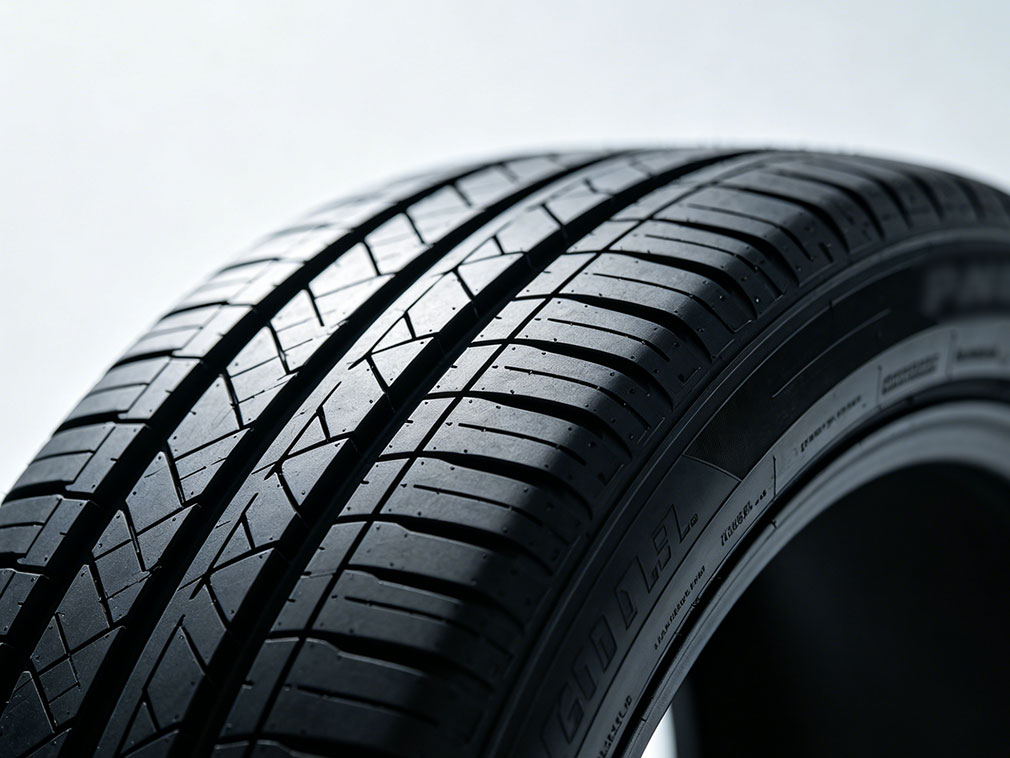
Simply put, spending significantly more cost for a negligible upgrade in experience makes the cost-effectiveness unremarkable. Based on the latest market trends in 2026, a single high-end comfort tire typically costs between 800 and 1500 yuan, making a complete set replacement costly. For the average family car owner, long-term maintenance represents a considerable expense.
Secondly, high-end comfort tires generally have a performance bias, making it difficult to simultaneously achieve both comfort and handling. Experienced car owners know that tires have a natural performance trade-off; quietness, comfort, wear resistance, and handling cannot be perfected in every aspect. This is particularly evident in high-end comfort tires.
To achieve excellent noise and vibration damping, these tires often use a softer rubber compound, combined with thinner sidewalls and a lightweight tread design. The advantage of this structure is its ability to effectively filter out minor road bumps and suppress tire noise, resulting in a smoother and quieter driving experience in urban environments.
However, its shortcomings are also significant: the soft tread and thin sidewalls lead to insufficient tire support, vague road feedback, sluggish steering response, increased body roll during cornering, and virtually no driving pleasure.
Compared to high-performance sports tires that prioritize grip and stability, these two are completely different in nature, with a stark difference in performance during aggressive driving or mountain roads. Furthermore, soft rubber has poor wear resistance; under normal daily driving conditions, these tires typically only last 60,000 to 80,000 kilometers, requiring a much shorter replacement cycle than ordinary wear-resistant tires.
Additionally, high-end tires with special features are particularly troublesome to repair and maintain, further increasing operating costs. Currently, many luxury and new energy vehicles' high-end tires are equipped with sound-dampening materials or self-sealing rubber to improve quietness and convenience; this is also a mainstream feature of high-end brands such as Michelin and Continental. However, these specially structured tires are often beyond the capabilities of ordinary auto repair shops to handle minor issues like punctures or leaks.
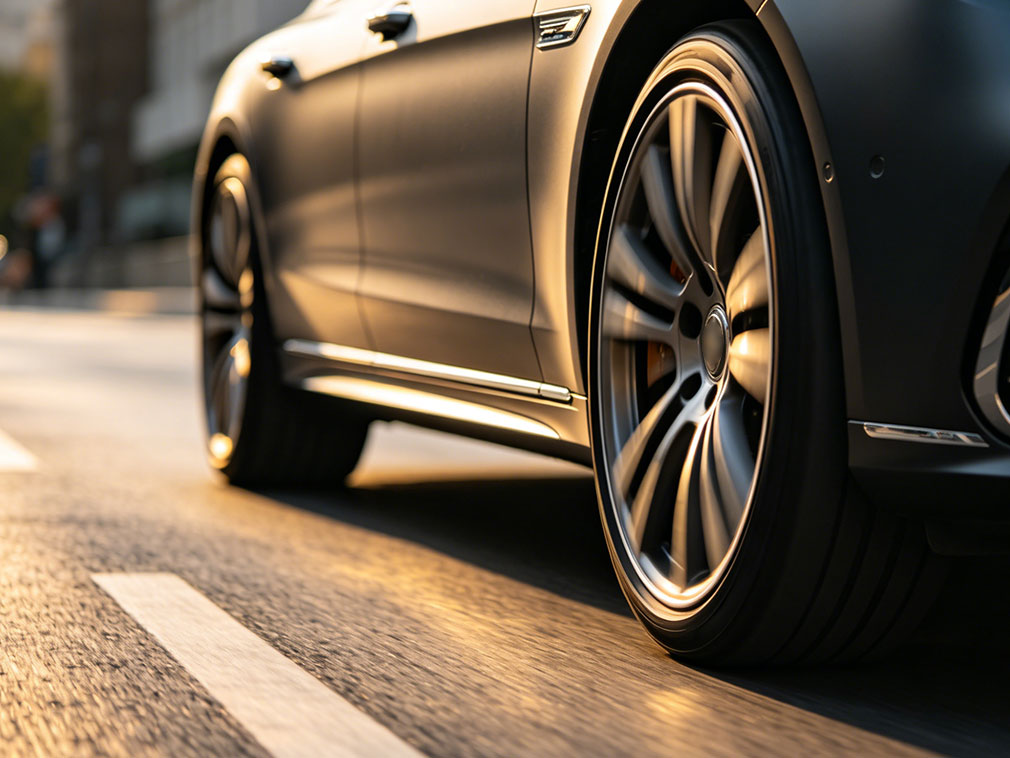
The sound-dampening material inside the tire is prone to bulging and detachment after damage, requiring meticulous disassembly and cleaning during repair. Even slight mistakes can damage the original structure. Self-sealing adhesives are extremely strong, making the removal of residual adhesive after damage difficult and demanding a high level of skill from the repair technician.
Currently, only official brand stores and large chain auto repair shops possess professional repair capabilities. Repair costs are typically 2 to 3 times higher than for ordinary tires, and the repaired tire's noise reduction and sealing performance are rarely restored to their original factory condition, significantly diminishing the subsequent user experience.
Besides the inherent shortcomings of the product itself, the chaotic market for high-end tires also frequently leads car owners to fall into traps. Because of their high brand recognition and large profit margins, high-end tires have always been a prime target for counterfeiters. According to 2026 tire industry market rectification data, among the non-standard high-end tires circulating in the market, tires with altered license plate numbers, worn-out labels, and retreaded tires account for a consistently high proportion.
Many vendors use methods such as grinding down tire sidewall markings, altering production dates, and retreading tread patterns to disguise aged or defective tires as brand new and genuine products. These tires have already deteriorated rubber, with hidden damage to the internal cord structure.
Their grip, pressure resistance, and puncture resistance are significantly reduced, making them prone to bulges and blowouts at high speeds or when braking in the rain, posing a significant safety hazard. Ordinary car owners find it difficult to distinguish these counterfeit tires from genuine ones with the naked eye.
Ultimately, tire performance limitations are the result of trade-offs: high-performance tires sacrifice comfort and lifespan for excellent grip and driving stability; while the problem with high-end comfort tires is mainly their high price and significant brand premium, with a disproportionate improvement in experience, coupled with performance compromises made for comfort and quietness.
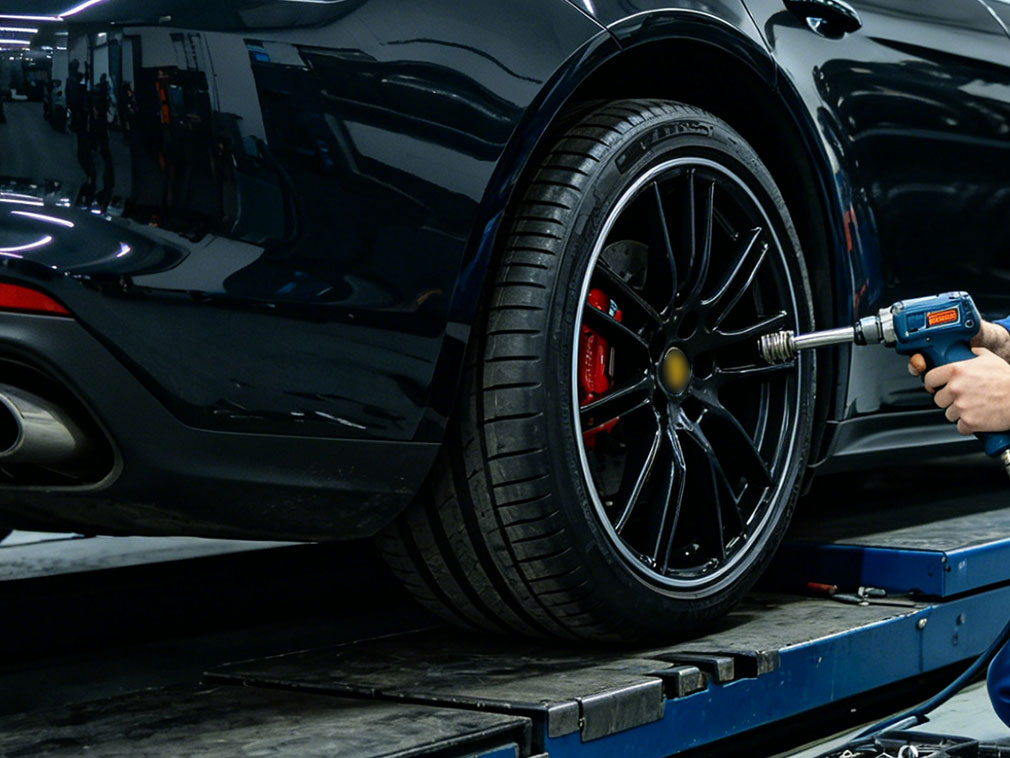
This also reminds car owners not to fall into the misconception that "the more expensive, the better" when choosing tires. A high price does not necessarily mean the best fit; the key is to choose tires that suit your specific driving needs.
If your daily commute is mainly in the city, prioritizing comfort and a quiet cabin, and you drive on smooth roads with minimal aggressive driving, then high-end comfort tires will be a better fit than hardcore high-performance tires.
However, if you frequently drive on highways and mountain roads, valuing vehicle handling stability and driving safety, then you can choose tires with more balanced performance and better support, avoiding blindly pursuing high-end features and causing unnecessary waste.
-
National Day Highway Charging Hits Record: +60.4% YoY(Oct 8)8273
-
New Energy Vehicle Exports Accelerate: 3.435 Million Units in First 8 Months, Up 120% Year-on-Year(Oct 8)8889
-
Chinese Tire Exports: Volume Up But Revenue Down Nearly RMB 900 Per Ton(Oct 8)5414
-
CNH Industrial: Smart Farming, NE and Local Tech(Sep 30)5584
-
CNHTC Drives Surging NE Heavy Truck Exports(Sep 30)8505




