
Tire Giants’ Q1 2026 Revenue Battle
In the first quarter of 2026, the global tire industry struggled through a weak recovery cycle marked by increased macroeconomic uncertainty, significant exchange rate fluctuations, and regional market differentiation. Competition between the two giants, Michelin and Bridgestone, intensified.
Michelin, with its strong brand heritage and well-established global presence, maintained its leading position in global tire sales. However, Bridgestone, through continuous business streamlining and focus on core areas, achieved growth across its three main markets: passenger car tires, truck and bus tires, and specialty tires. This successfully narrowed the sales gap between the two companies from nearly 20 billion RMB in the first quarter of 2025 to less than 15 billion RMB, intensifying the battle for the global tire sales crown.

Strategic "slimming down" pays off: Bridgestone achieves record quarterly profit
Continuous business streamlining and focusing on core tire competitiveness were key to Bridgestone's breakthrough in the first quarter. Over the past two years, Bridgestone has proactively streamlined its strategy, successively closing non-core factories in Hsinchu, Huizhou, and Shenyang, Taiwan, and divesting its UK ETB retail business, as well as its carbon black businesses in Thailand and Mexico, and its steel cord business in China and Thailand.
This shift from a large and comprehensive supply chain to a more specialized focus on core businesses, concentrating resources on the research and development and production of high-value-added tires. This strategic adjustment yielded significant results in the first quarter of 2026: based on core tire business data, its core tire sales reached 733 billion yen, with an operating profit of 94.1 billion yen; the group's overall revenue climbed to 1.1134 trillion yen (approximately 49.21 billion yuan), and net profit attributable to owners of the parent company surged to 92.1 billion yen, a year-on-year increase of over 21%, setting a new quarterly record. The depreciation of the yen also contributed to this performance growth.
Truck and bus tires: Bridgestone overtakes Michelin, profits surge 18%
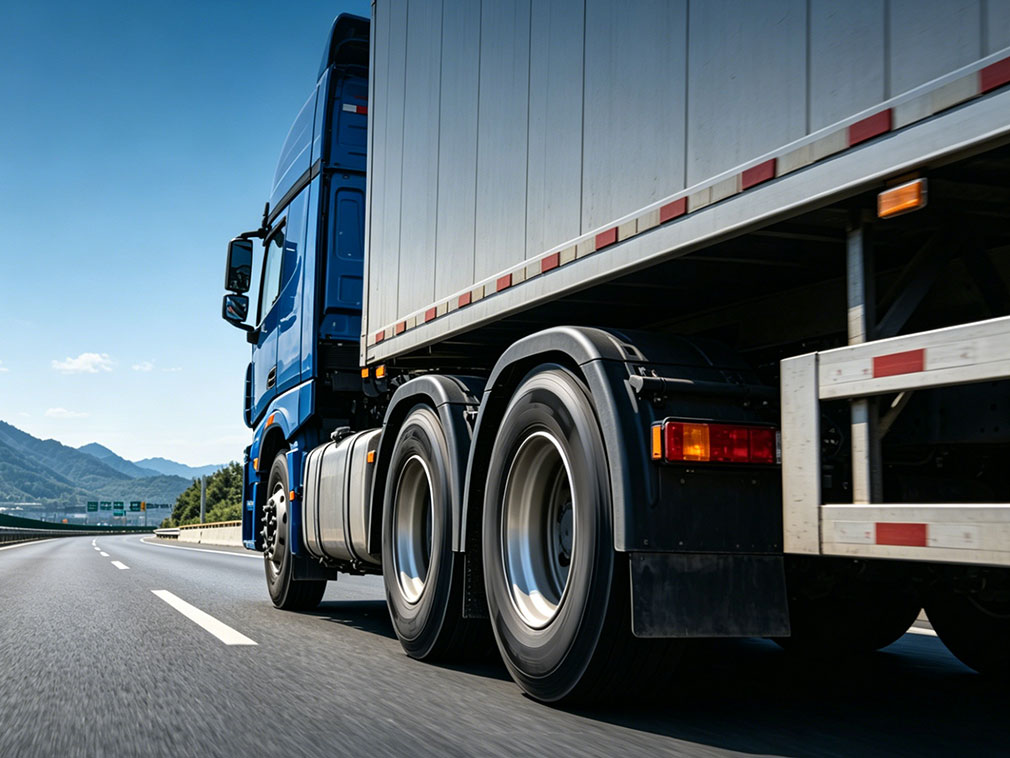
In the truck and bus tire market, the two giants have become the core battleground, exhibiting a "rise and fall" dynamic. In RMB terms, Bridgestone's truck and bus tire sales surpassed Michelin's in the first quarter of 2026. However, Bridgestone explicitly stated in its first-quarter report that actual sales volume in this segment (including original equipment and replacement markets) declined slightly, with revenue growth primarily driven by strong profit performance resulting from product structure optimization—first-quarter truck and bus tire revenue increased only slightly by 3%, while operating profit surged by 18%, significantly improving profit margins.
Conversely, Michelin's truck and bus tire sales were significantly impacted by exchange rates, with sales revenue declining by 11.3% year-on-year. The decline in sales volume contributed approximately 6% of the negative impact, primarily due to the weak global original equipment market for truck and bus tires, particularly in North and South America where original equipment tire demand experienced double-digit declines. This, coupled with exchange rate pressure from the appreciation of the Euro, further dragged down performance.
Passenger Car Tire Market Shows Even Competition: Bridgestone Bets on Larger Sizes and New Energy Vehicles
The passenger car tire market is showing a "evenly matched" pattern, with the sales revenue of the two companies roughly equal. Regional market differentiation has become a key factor influencing performance. Bridgestone's sales of high-value tires continue to grow, the sales share of large-size passenger car tires (18 inches and above) is steadily increasing, and orders for tires specifically for new energy vehicles are maintaining growth.
Product structure upgrades constitute its core competitiveness. Although Bridgestone's sales in the North American replacement passenger car tire market declined slightly due to adverse winter weather and weak freight, its market share in North America has steadily increased thanks to new product launches and the implementation of its multi-brand strategy, successfully offsetting the adverse effects of the sales decline.
Michelin Resilience Remains: High-End Large-Size Tires Account for 69%, Replacement Tire Sales Show Moderate Growth
Michelin has also demonstrated resilience in the passenger car tire sector. Despite continued weak global demand for original equipment (OEM) tires for passenger cars—with demand in China slowing significantly due to the phasing out of new car purchase incentives in 2025, and the European and North American OEM markets also under continued pressure—Michelin's replacement tire business achieved moderate growth.
High-end, large-size tires accounted for 69% of sales, and product structure optimization contributed a positive 1.9% increase, effectively offsetting the pressure from the decline in the OEM market and exchange rate fluctuations. Furthermore, the growth in the Chinese replacement tire market also partially offset the decline in the European and American markets, becoming an important support for Michelin's passenger car tire business.
Specialty tires each have their highlights: Bridgestone's 21.9% profit margin acts as a ballast, while Michelin's sales grow steadily. In the specialty tire sector, both companies have their own highlights. Bridgestone's specialty tires (including two-wheeled, off-road, and aircraft tires) continue to maintain an exceptionally high profit margin of 21.9%, acting as a profit "ballast."
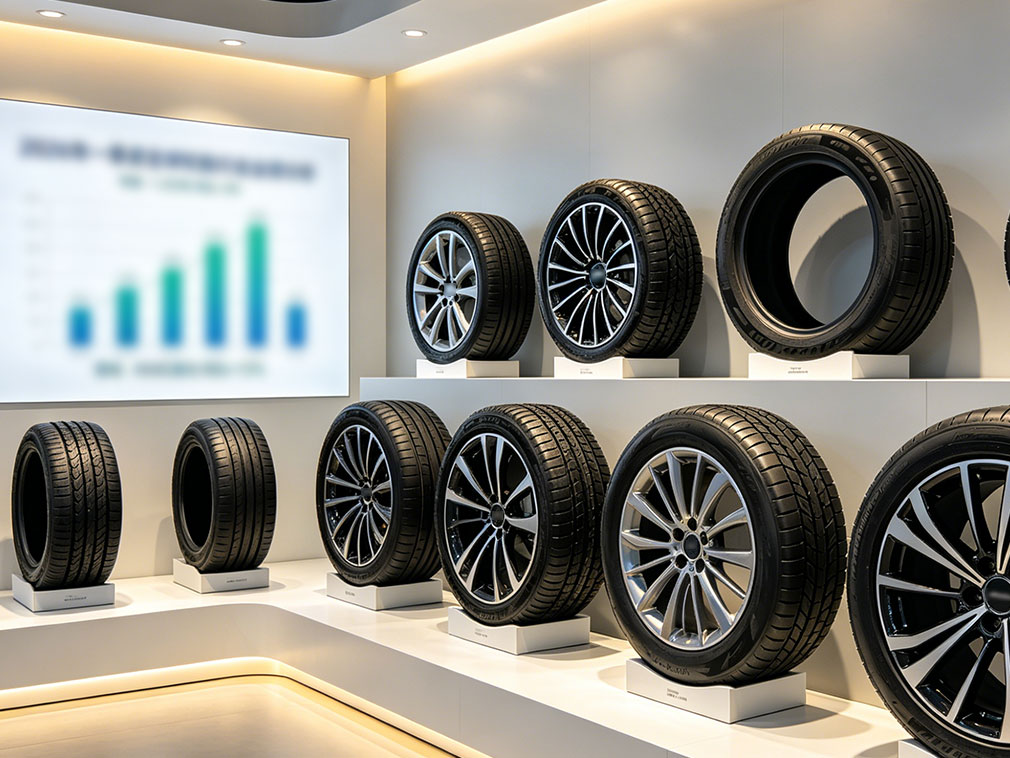
Sales of its giant mining vehicle tires continued to grow, highlighting its counter-cyclical advantages. While Michelin's specialty tire business saw a decline in sales revenue, volume increased by 2.5%. Key highlights were concentrated in the mining and aviation tire segments, with strong performance in the infrastructure sub-market effectively offsetting the drag from weakening demand for original equipment tires in the agricultural sector.
Overall, competition in the global tire industry intensified in the first quarter of 2026. While Michelin maintained its advantage, Bridgestone's catch-up momentum was rapid, with its business streamlining and product premiumization strategies continuing to show results.




