
Tire Performance: Balancing Grip, Quietness
When car owners replace or purchase tires, wear resistance, quietness, and grip are the three core performance indicators that cannot be ignored. As the only part of a vehicle in contact with the ground, tires directly affect driving safety, driving experience, and operating costs.
Their performance not only relates to vehicle handling stability but also closely relates to daily travel comfort and economy. However, the industry has long held the view of the "impossible triangle" of tire performance: grip, quietness, and wear resistance are rarely achieved ideally simultaneously, often exhibiting a trade-off. This phenomenon stems from the physical characteristics of rubber materials and structural design, a persistent technical challenge for the industry.
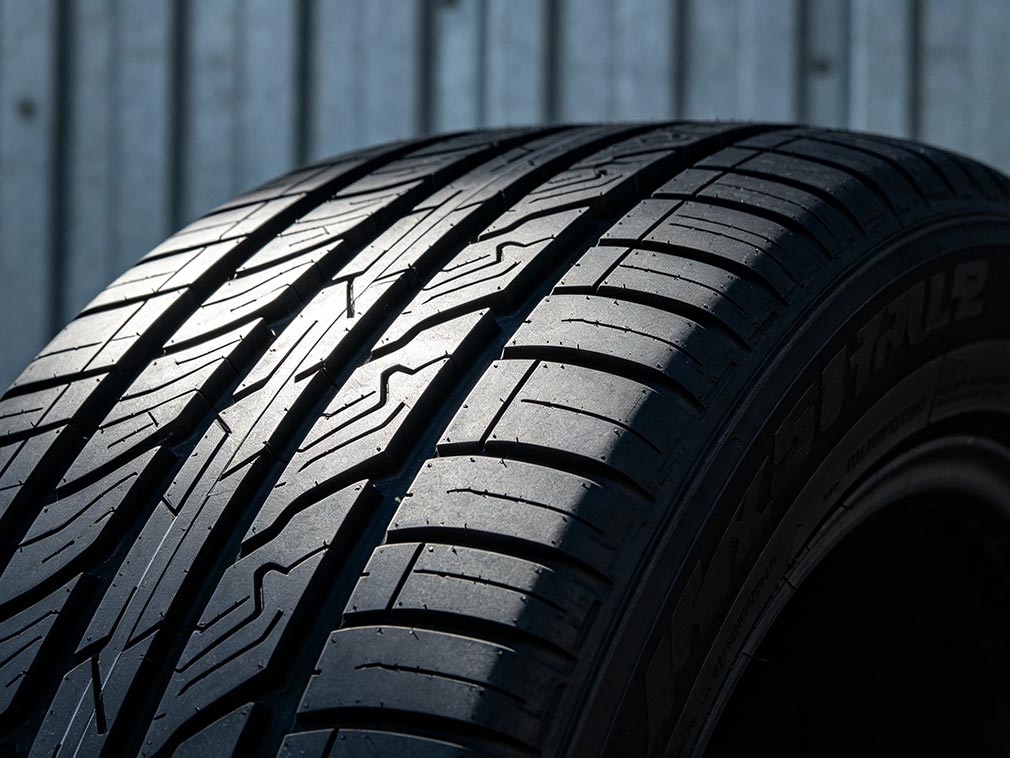
The so-called "impossible triangle" essentially refers to the inherent contradiction between rubber compound and tire structure. Improved grip typically relies on softer rubber materials and a larger contact patch, which helps enhance vehicle braking and handling stability, especially ensuring driving safety in rainy or complex road conditions. However, softer rubber wears out faster, shortening tire lifespan.
Quietness performance requires a finely patterned tread and a soft tire carcass to absorb road vibrations and reduce noise transmission. However, this design reduces tread rigidity, affecting grip and wear resistance. Wear resistance, on the other hand, demands harder rubber and a more robust tread structure, often leading to increased tire noise and decreased grip, creating a trade-off.
In the past, Chinese car owners primarily considered wear resistance when choosing tires, especially in scenarios like ride-hailing and long-distance commuting. Wear resistance directly determined tire replacement frequency and running costs, with many even using the wear index as the sole criterion.
This mindset was closely related to the early tire market structure and consumer spending levels. At that time, domestic tire technology was relatively limited, and foreign brands were expensive. Car owners tended to choose "durable and robust" products, paying less attention to the improved experience brought by quietness and grip.
In recent years, with the increase in car ownership, the upgrading of consumer concepts, and continuous breakthroughs in tire technology, car owners' priorities in tire selection have subtly changed. Safety has become the new consensus, with grip being the top priority for most car owners.
Especially with the widespread adoption of new energy vehicles, the increased vehicle weight and stronger instantaneous torque place higher demands on tire grip. Wet braking distance and hydroplaning resistance have become key concerns for car owners – driving safety is the prerequisite for all vehicle usage needs.
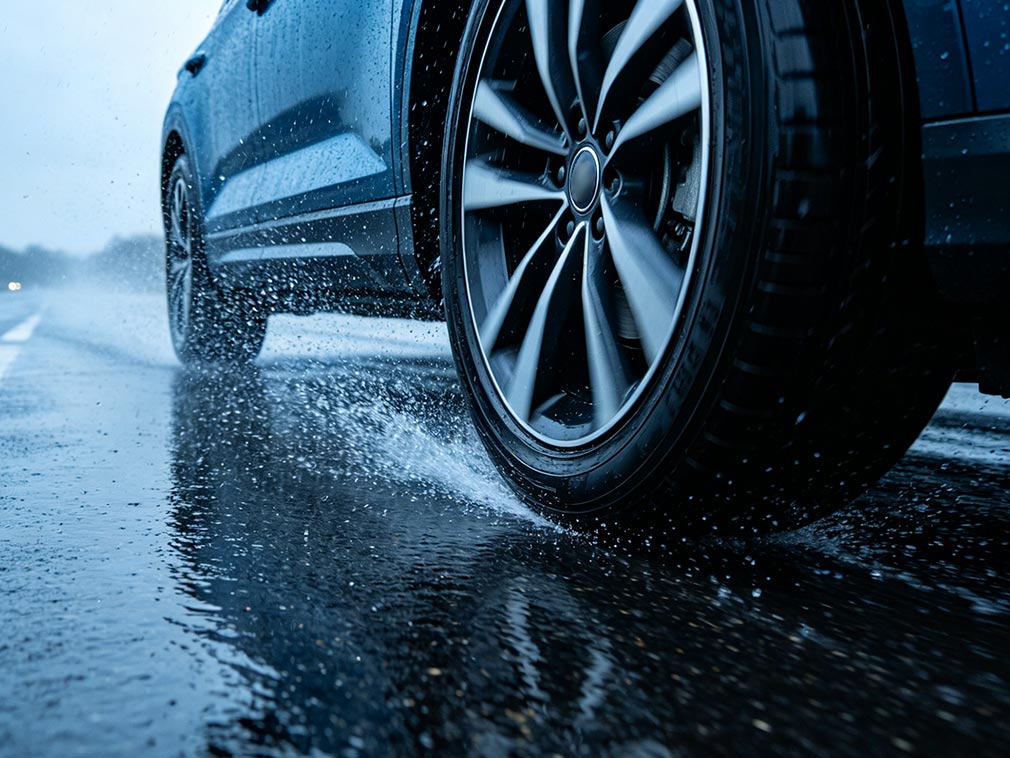
Secondly, the priority of quietness has significantly increased. With increasing urban traffic congestion and longer daily commutes, cabin quietness has become crucial for enhancing the driving experience. Tire noise, as one of the main sources of interior noise, is receiving increasing attention.
Especially for family car owners, who prioritize family comfort, they are willing to lower their expectations for wear resistance for the sake of quietness. After all, most family cars have limited annual mileage, and normal tire wear is sufficient for their lifespan.
Wear resistance has shifted from being the "sole standard" to a "basic requirement." Car owners no longer pursue extreme wear resistance but focus on a balance among the three performance aspects. Since 2026, domestic tire technology has made progress in compound and structural design, alleviating the trade-off between performance factors to some extent. Many tire products offer good wear resistance while maintaining grip and quietness, and their prices are more competitive than comparable foreign brands, allowing car owners to avoid excessive compromises in performance across different areas.
Furthermore, car owners are making more rational tire choices, prioritizing performance based on their driving scenarios: long-distance commuters still consider both wear resistance and grip, urban family car users prioritize quietness and safety, and performance car owners prioritize grip.
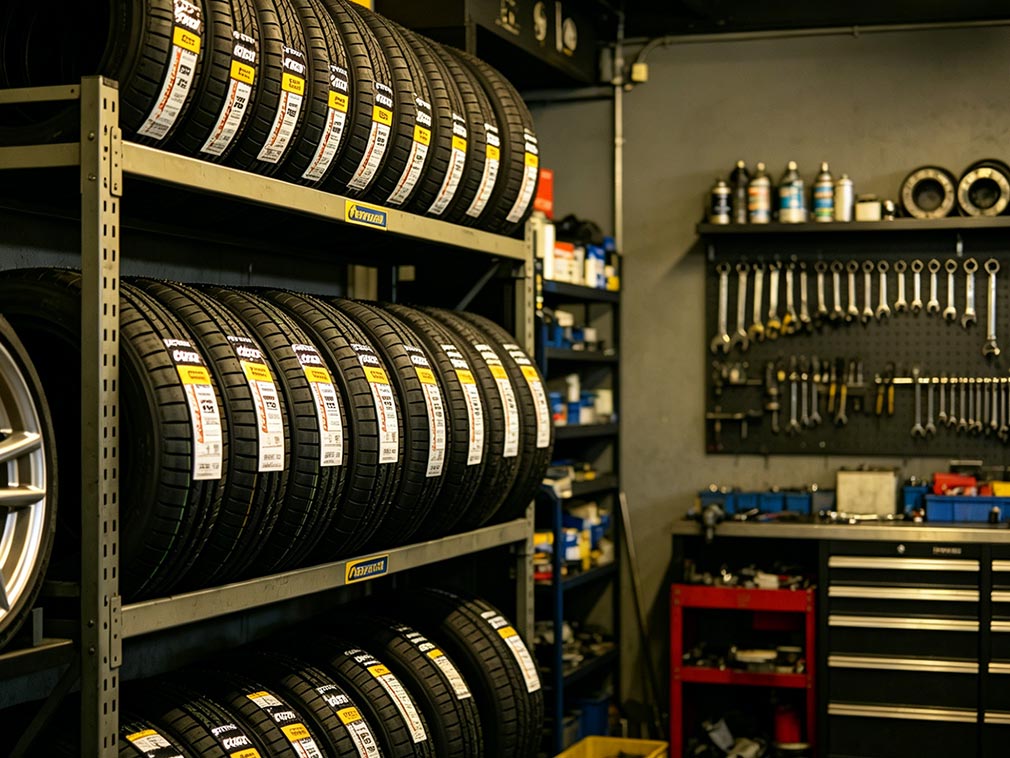
Meanwhile, the widespread availability of third-party tire maintenance platforms allows car owners to more easily access tire parameters and performance comparisons, gradually moving away from the blind reliance on sales recommendations and making more targeted tire selections. This shift in mindset reflects car owners' higher demands for driving experience and is driving the tire industry towards a more balanced performance.




