UHP Tire Innovations: Materials, Design
Ultra-high performance (UHP) tires, as a high-end segment of passenger car tires, rely heavily on technological innovation as the core engine driving industry development. Currently, various technological breakthroughs are continuously pushing traditional performance boundaries, forming key hotspots around three dimensions: materials, structure, and processes, while seeking a balance between performance improvement and regulatory compliance.
As the global automotive industry accelerates its transformation towards high-end and new energy vehicles, compliance requirements such as the EU tire labeling law and China's tire labeling system version 2.0 are becoming increasingly stringent.
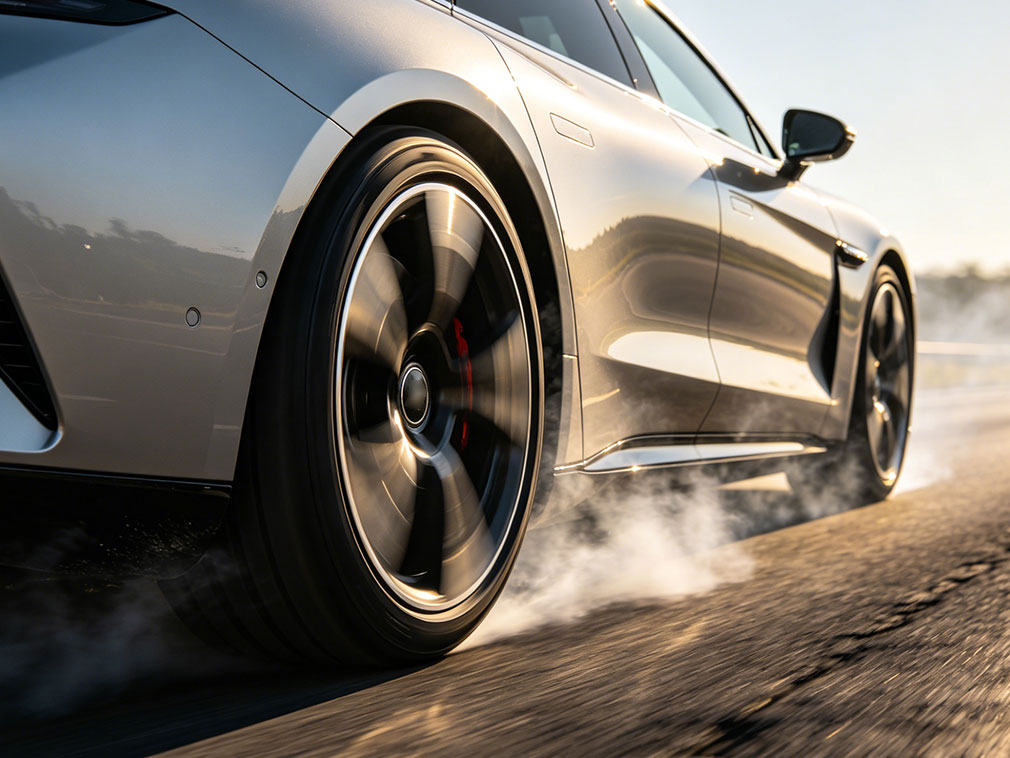
UHP tire innovation places greater emphasis on the synergy of diverse performance characteristics—meeting the pursuit of ultimate handling by high-performance sedans and luxury sports cars, adapting to the special operating conditions of high torque and high weight in new energy flagship vehicles, while also considering green environmental protection and safety compliance, thus promoting the industry towards high-quality development.
Material Breakthrough: Dual-End Functionalized SSBR Solves the "Devil's Triangle"
Material innovation is the core lever for UHP tires to break through performance ceilings and is currently one of the most prominent technological hotspots. The industry widely adopts composite systems of functionalized solution-polymerized styrene-butadiene rubber (SSBR) with highly dispersed silica and nano-carbon black. Through optimized formulation, this significantly improves grip and abrasion resistance while effectively reducing rolling resistance.
The large-scale production of dual-functionalized solution-polymerized styrene-butadiene rubber has been a key breakthrough, breaking the foreign technological monopoly. This material introduces active functional groups at both ends of the molecular chain, achieving dual-site anchoring of the filler and cleverly resolving the contradiction between low rolling resistance and high wet grip in traditional rubber.
Tires made from this material can meet the highest "double A" standard of EU labeling regulations, reducing energy consumption by 5% per 100 kilometers and shortening braking distance by 3 meters, perfectly aligning with the core requirements of "high safety and long range" for new energy vehicles.
Green Low-Carbon and Thermal Management Synergy: Bio-based Materials and Nanotechnology as Dual Drivers
In response to the demands of green development, the application of bio-based raw materials is becoming increasingly popular. Some leading companies have incorporated over 30% sustainable materials into their products, achieving a win-win situation for both environmental protection and performance.
They are deeply integrated into the green supply chain of the new energy era. For example, Maxxis VS6 tires use an environmentally friendly rice husk formula, effectively reducing rolling resistance and increasing range.
Furthermore, the synergistic application of nano-reinforcement technology and thermal management structures has successfully overcome the temperature rise challenge of UHP tires at high speeds. This ensures that the tire temperature rise is controlled below 67°C after 30 minutes of continuous operation at 300 km/h, significantly delaying performance degradation and ensuring high-speed driving safety.
Simultaneously, the introduction of highly crystalline polyisoprene (PI) further enhances the tear strength of the tire sidewall over a wide temperature range and reduces thermal aging shrinkage, thereby enhancing tire durability.
Structural Design Evolution: Asymmetric Tread Patterns and Aramid Skeleton Reshape Performance Boundaries
The optimization and upgrading of structural design is key to UHP tires' adaptability to diverse vehicle requirements.
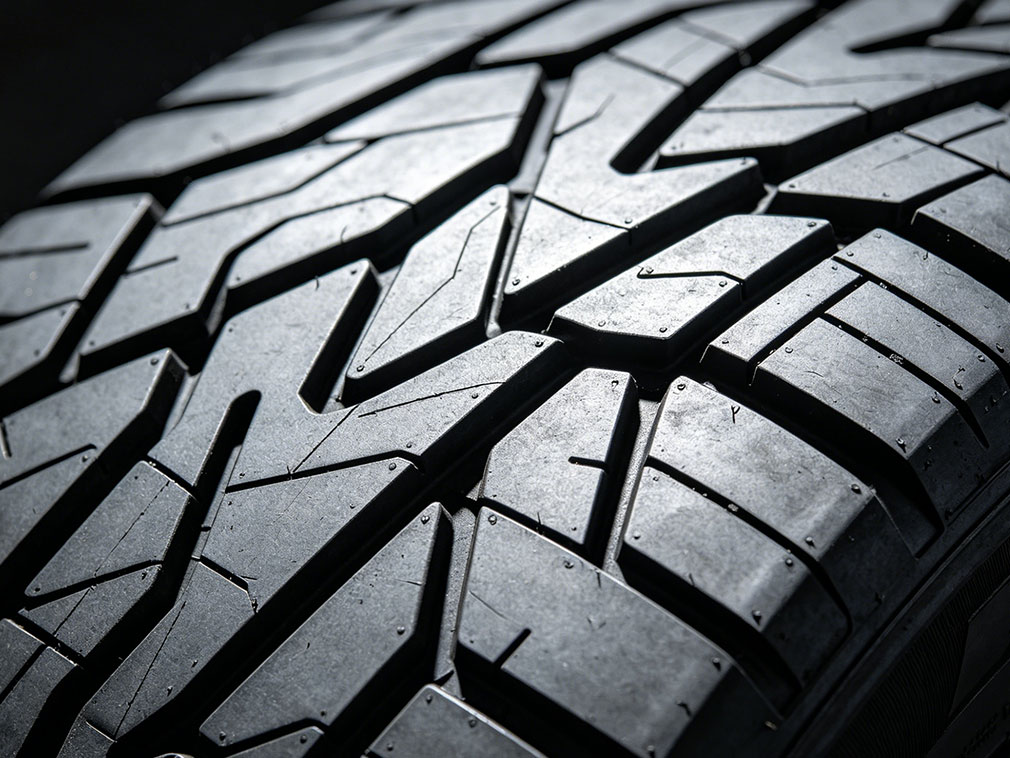
Currently, asymmetrical or directional tread patterns have become mainstream, achieving performance differentiation through differentiated layouts: the inner tread focuses on drainage, using continuous and reasonably deep grooves to quickly expel accumulated water and reduce the risk of hydroplaning; the outer tread strengthens rigidity, employing a combination of large tread blocks and multi-angled sipes to improve cornering grip, reduce deformation, and enhance handling precision.
This design is widely used in SUV-specific UHP tires, allowing SUVs to achieve handling performance close to that of sports sedans.

Meanwhile, the application of high-strength aramid cord belt layers is becoming increasingly widespread. Twaron® aramid fiber, with its lightweight and high-strength advantages, has become a preferred material. Its strength is 6 times that of steel, effectively reducing tire weight, improving energy efficiency, and suppressing high-speed deformation, further enhancing high-speed stability. It perfectly meets the demanding requirements of high-performance sedans, luxury sports cars, and new energy flagship vehicles with high torque and heavy weight.
Furthermore, wide and flat tread technology maximizes the contact area with the road, combined with optimized tread pitch arrangement, enhancing handling stability while reducing driving noise. Some products have noise levels reduced by 1.3dB compared to competitors, balancing handling and comfort. Currently, UHP tires have gradually differentiated into two main paths: track-grade semi-slick and everyday all-around tires, respectively meeting the diverse consumer needs for extreme performance and comprehensive durability.
Stringent Regulations and Collaborative Innovation: Leading High-Quality Development of the Premium Tire Industry
It is worth noting that UHP tire technological innovation always prioritizes compliance, requiring adherence to mandatory requirements for rolling resistance, wet grip performance, and noise levels, including EU ECE R117 regulations and China's Tire Labelling System 2.0. Leading companies ensure comprehensive compliance across all product indicators through continuous technological optimization and accelerate the process of domestic substitution.
With increasing R&D investment, collaborative innovation in materials, structure, and processes will become the core direction for the UHP tire industry, further breaking performance limitations, adapting to more diverse vehicle needs, and driving the high-quality development of the premium tire industry.