
Are Old-Stock Tires Safe?
Recently, many tire shop owners have reported that many car owners are fixated on the "latest production date" when buying tires, refusing to buy tires that have been in stock for more than a year, and even equating tires stored for two or three years with "expired tires."
This idea of treating tires like perishable food and solely pursuing "freshness" is actually a common misconception. Whether a tire is "expired" or not is not determined solely by storage time, but by a combination of factors. Today, we'll clarify these misconceptions and share some practical information.
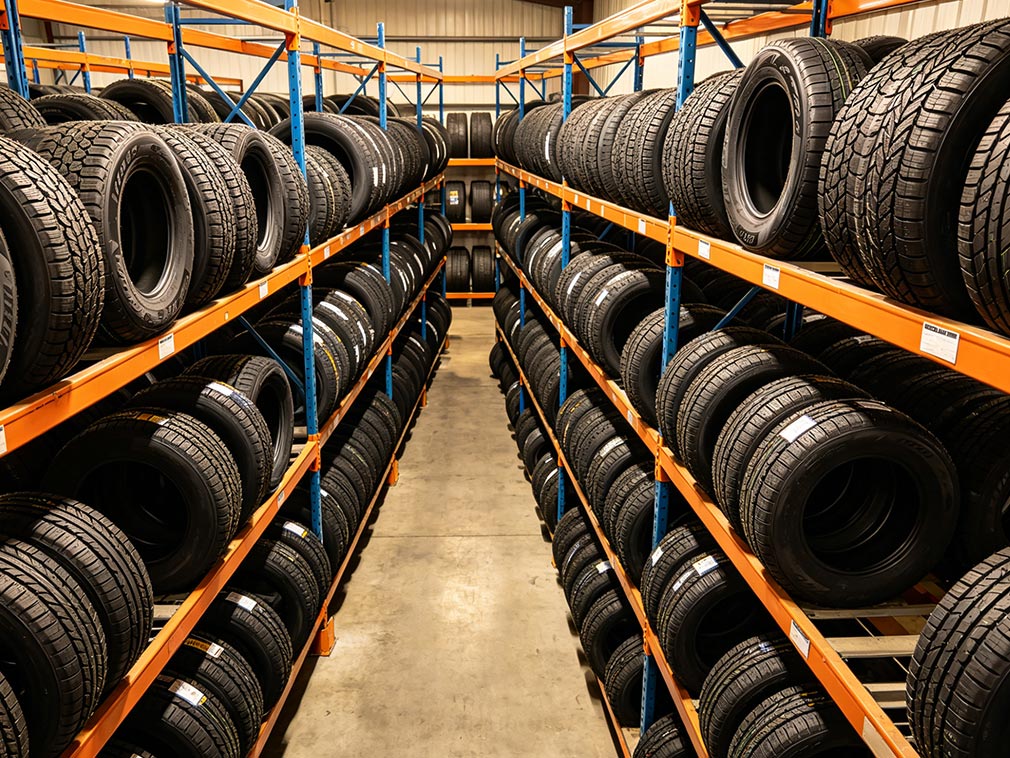
First, let's be clear: tires stored for two to three years are absolutely not "expired tires." The China Rubber Industry Association has explicitly stated that tires stored for one to three years are still considered new tires with good performance.
As long as they are stored properly, their performance will hardly deteriorate and they can be used normally. The core component of a tire is rubber, and its aging rate depends primarily on the storage environment, not just the storage time.
Tires from legitimate channels are typically stored in light-proof, dry, and temperature-controlled warehouses. Such environments effectively slow down the rubber oxidation process, resulting in minimal performance degradation even after 2 to 3 years, far from reaching the "expiration" standard. Conversely, if tires are stored outdoors for extended periods, continuously exposed to sunlight, rain, or high temperatures, even less than a year of storage can accelerate aging and lead to performance issues.
So, how long should tires be stored before they truly "expire"? The industry has relatively clear safety standards: unused tires should ideally be stored for no more than 3 years. After 3 years, professional testing and evaluation are necessary to ensure they are in good condition before use. Tires stored for more than 5 years, even if they appear intact, are not recommended for continued use, as the rubber oxidation and aging have entered an irreversible stage, significantly reducing elasticity and strength.
Installed tires are generally recommended for a service life of no more than 5 to 6 years. Considering the greater curb weight and higher instantaneous torque output of new energy vehicles, resulting in heavier tire loads, it is recommended to shorten the replacement cycle to 4 to 5 years.
To determine whether tires need replacing, in addition to checking the last four digits of the DOT code on the tire sidewall (the first two digits represent the production week, and the last two digits represent the year), it's crucial to physically inspect the tire's condition. If fine, network-like cracks appear on the sidewall, or if the rubber hardens or becomes sticky, regardless of usage time or wear, the tire should be replaced immediately.
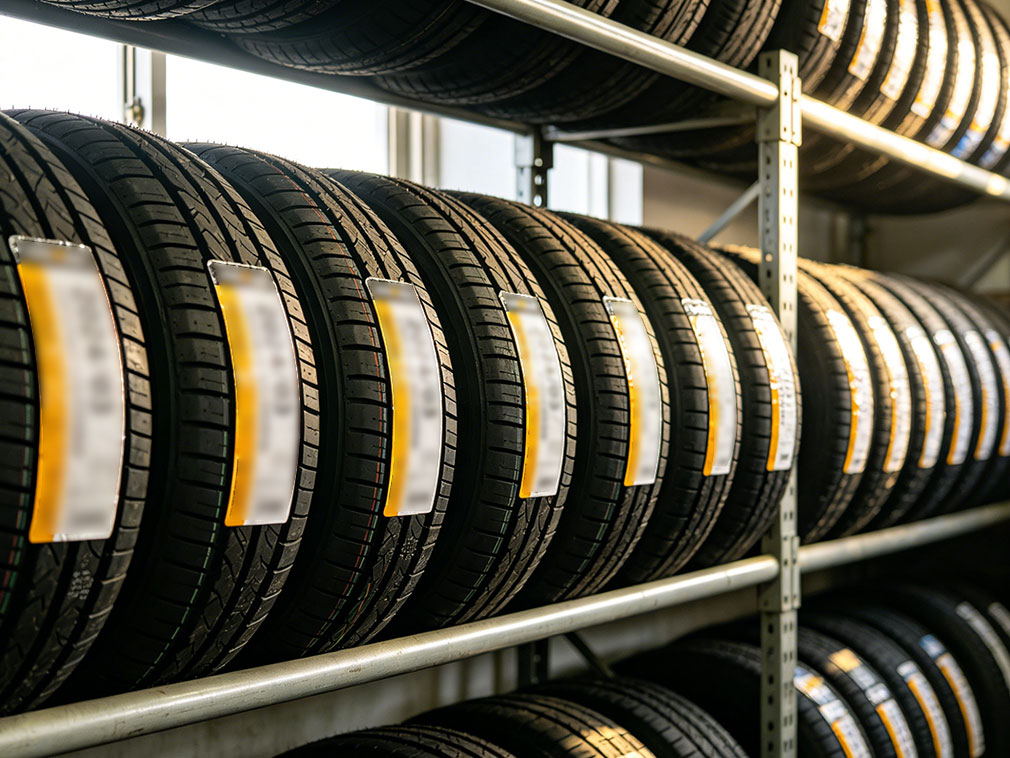
Proper storage is key to delaying tire aging, a point easily overlooked by car owners. The ideal storage environment should have a temperature between -10°C and 30°C, and a relative humidity between 50% and 80%. Tires must be kept away from high temperatures, humidity, and direct sunlight, especially heat sources such as radiators and air conditioner units, as well as equipment that may produce ozone, such as printers.
Tires without rims should be stored vertically; for long-term storage, they can be placed on a shelf at least 10 cm off the ground. Tires with rims can be inflated to a low pressure of approximately 0.5 Bar to maintain tire shape. In addition, before storing, clean the mud and sand from the tire surface. During storage, check the condition regularly, sort and stack tires according to production date, and follow the "first-in, first-out" principle. Unopened tires should retain their original packaging as much as possible.
Factors affecting tire performance include not only storage time and environment, but also several other aspects. From the perspective of tire quality itself, the rubber compound, cord layer material, and tread design directly determine its grip, wear resistance, and water drainage performance. From the perspective of usage, excessive vehicle load, abnormal tire pressure, frequent hard braking and acceleration, and prolonged driving on rough, wet, and slippery roads will all accelerate tire wear and aging.
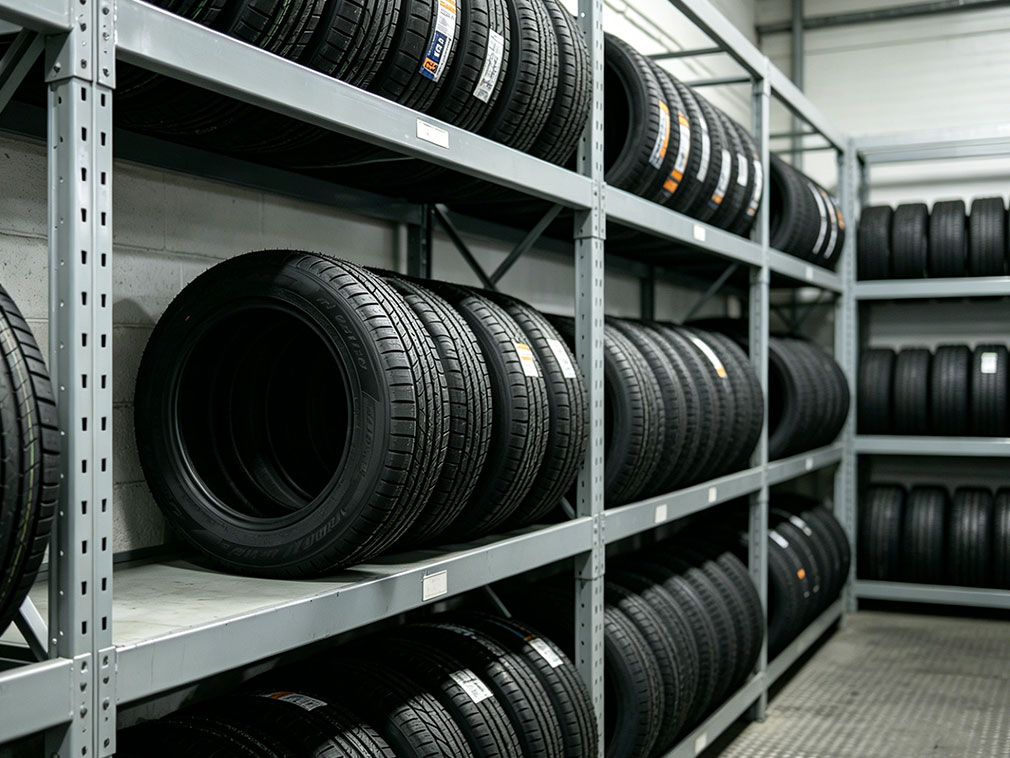
It is worth mentioning that tires are not at their best when they are first manufactured. Generally, tires manufactured 3 to 12 months ago have a fully stable internal chemical structure and reach a relatively ideal state of overall performance; while tires manufactured 0 to 3 months ago are in a period where their performance is not yet fully stable.
In summary, when purchasing tires, car owners do not need to blindly pursue the "latest production date," and there is no need to consider tires stored for 2 to 3 years as "expired tires." When selecting tires, prioritize those manufactured within the last year and stored properly through official channels.
Also, carefully observe the tires' appearance to ensure they are in good condition. In daily use, proper storage, regular inspections, and a comprehensive assessment of the tire's age, wear, and aging condition are crucial for determining when to replace them. This will ensure driving safety while avoiding unnecessary waste.




