
China's Tire Industry Expansion
Driven by the industry logic of "scale wins," China's tire industry experienced a large-scale expansion of passenger car tire production capacity from 2023 to the first quarter of 2026, with a simultaneous surge in factory construction both domestically and overseas.
Currently, market competition in the tire industry is becoming increasingly fierce. Large-scale production can effectively reduce overall costs related to R&D, production, and logistics, enhancing companies' market influence. This has become the core driving force behind the concentrated expansion of domestic tire companies.
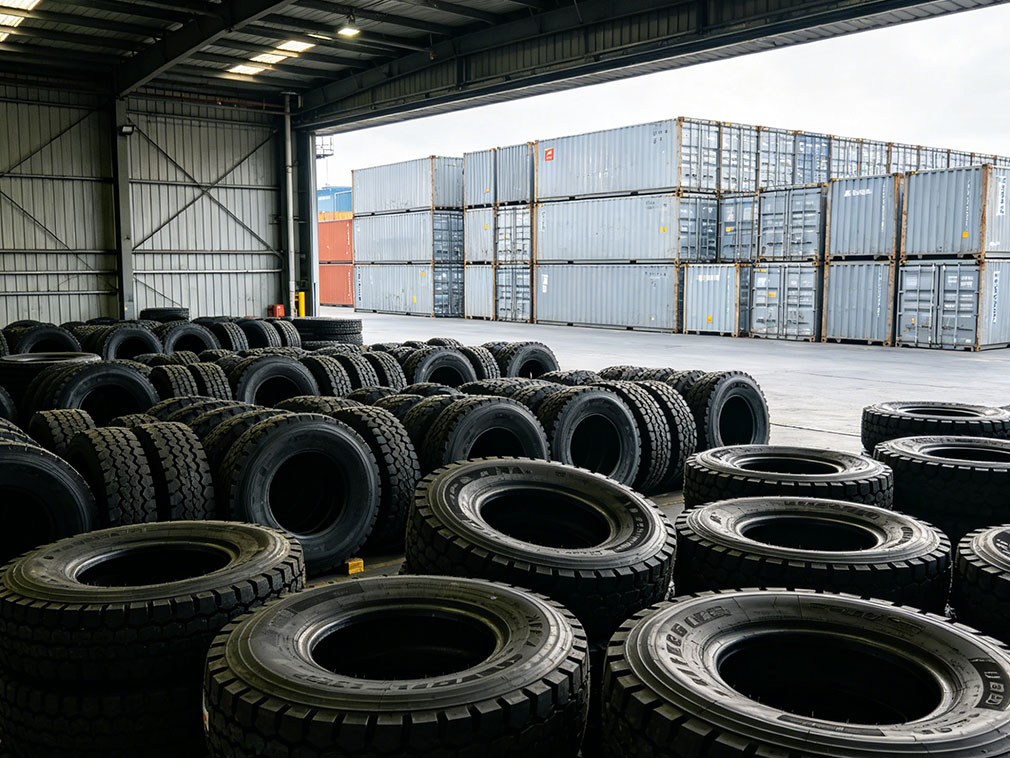
From traditional tire industry clusters in Shandong and Jiangsu to overseas expansion in Southeast Asia, Europe, America, and Africa, domestic tire companies have planned a total new production capacity of nearly 600 million tires. Leveraging China's mature infrastructure system, complete industrial chain support, and efficient factory construction cycle, at least 100 million tires of new capacity have already been rapidly put into production and entered the market, continuously changing the industry's supply and demand landscape.
Domestic capacity expansion exhibits distinct characteristics of regional concentrated growth and cluster-based quality upgrading, with the industrial agglomeration effect becoming increasingly prominent. Shandong and the Yangtze River Delta, as the two core production areas of China's tire industry, are home to leading companies in the industry and possess complete supporting systems for rubber processing, equipment manufacturing, and logistics and trade, providing solid support for capacity expansion.
In the 16 months from 2025 to April 2026, 16 tire factories in the two core production areas of the Yangtze River Delta and Shandong alone completed new construction or upgrades, adding more than 200 million tires of production capacity.
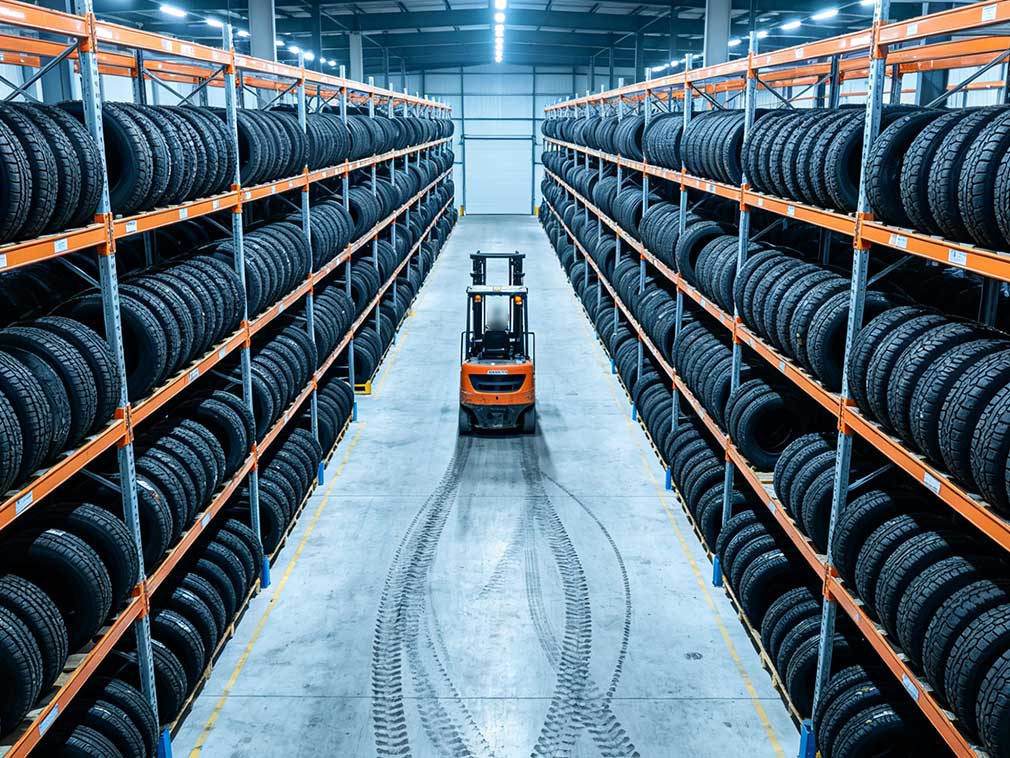
This round of expansion is not simply about increasing capacity; most factories simultaneously completed intelligent and green transformations, introducing automated production lines and intelligent control systems. While increasing production capacity, they also optimized product precision and production efficiency, driving the transformation of the traditional tire industry towards high-end intelligent manufacturing.
At the same time, the pace of overseas production capacity layout has also accelerated, showing a diversified and precisely positioned development trend, becoming a key tool for domestic tire companies to overcome trade barriers and seize the global market.
From 2024 to the first quarter of 2025, domestic tire companies completed the construction and investment in 14 factories globally, adding 100 million tires of production capacity. The new capacity is mainly concentrated in the passenger car semi-steel tire sector, approximately 10 times the size of the truck and bus all-steel tire sector.
From a regional perspective, Southeast Asia, leveraging its geographical and cost advantages, has become the primary battleground for Chinese tire companies expanding overseas. Meanwhile, the European, American, and African markets focus on localized production to effectively mitigate international trade tariff risks and stay closer to end-consumer markets.
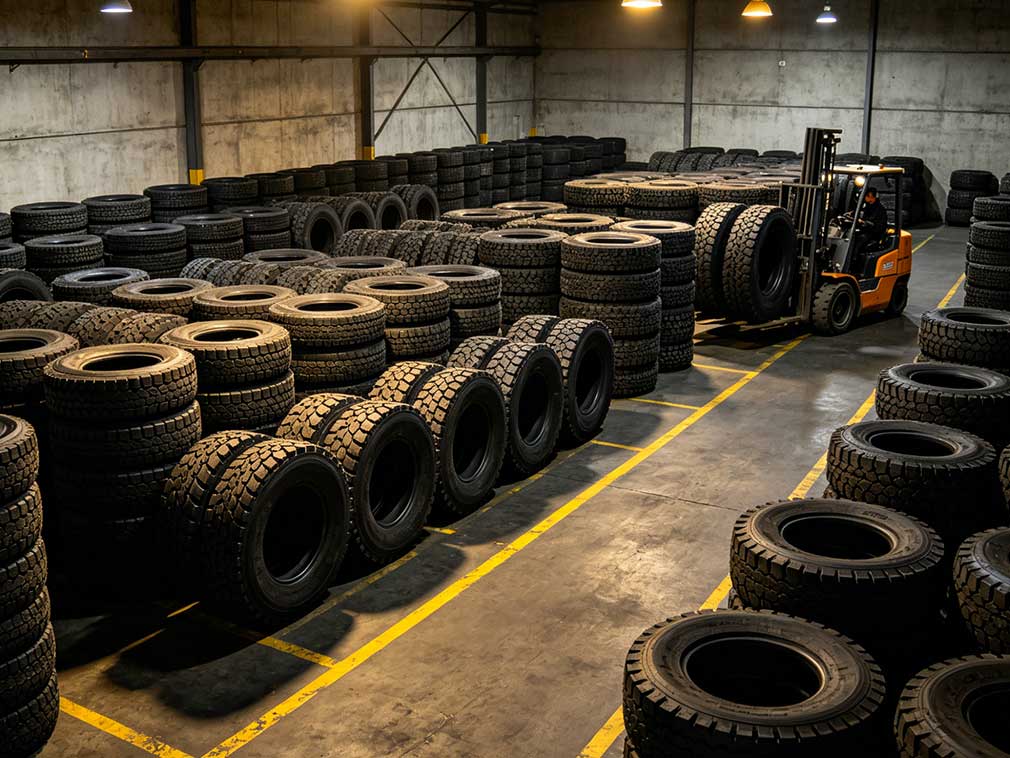
From a product structure perspective, this round of domestic and international capacity expansion is highly focused on semi-steel tires for passenger vehicles. This is mainly due to the steady increase in the number of passenger vehicles in the domestic market, the continued growth in demand for tires for new energy vehicles, and the expansion of the overseas civilian tire market.
In contrast, the demand for all-steel tires for trucks and buses used in freight transport has stabilized, resulting in a relatively slower pace of capacity expansion and a differentiated expansion pattern. This large-scale capacity release has not only driven the continuous increase in China's share of global tire production capacity but also intensified homogeneous competition within the industry, forcing companies to transform towards high-end, differentiated, and branded products, thus contributing to the industry's high-quality development.
-
National Day Highway Charging Hits Record: +60.4% YoY(Oct 8)8264
-
New Energy Vehicle Exports Accelerate: 3.435 Million Units in First 8 Months, Up 120% Year-on-Year(Oct 8)8882
-
Chinese Tire Exports: Volume Up But Revenue Down Nearly RMB 900 Per Ton(Oct 8)5408
-
CNH Industrial: Smart Farming, NE and Local Tech(Sep 30)5575
-
CNHTC Drives Surging NE Heavy Truck Exports(Sep 30)8500




