
China Tire Industry Trends in May 2026
In May 2026, the domestic tire industry maintained a steady upward trend, with the market generally in a recovery and upward cycle, and the supply-demand balance continuing to improve. Domestic end-user demand steadily recovered, with orders in both the original equipment and replacement markets gradually picking up. Furthermore, the industry's previous destocking efforts proved effective, and the inventory levels of major tire companies had returned to reasonable ranges, significantly easing inventory pressure.
That month, the industry saw large-scale price increases, with over 80 domestic and international tire companies issuing price adjustment notices, covering all product categories including passenger car tires and truck/bus tires. Price increases generally ranged from 2% to 10%, effectively reversing the previous low-price competition and leading to a slight recovery in overall industry profits.
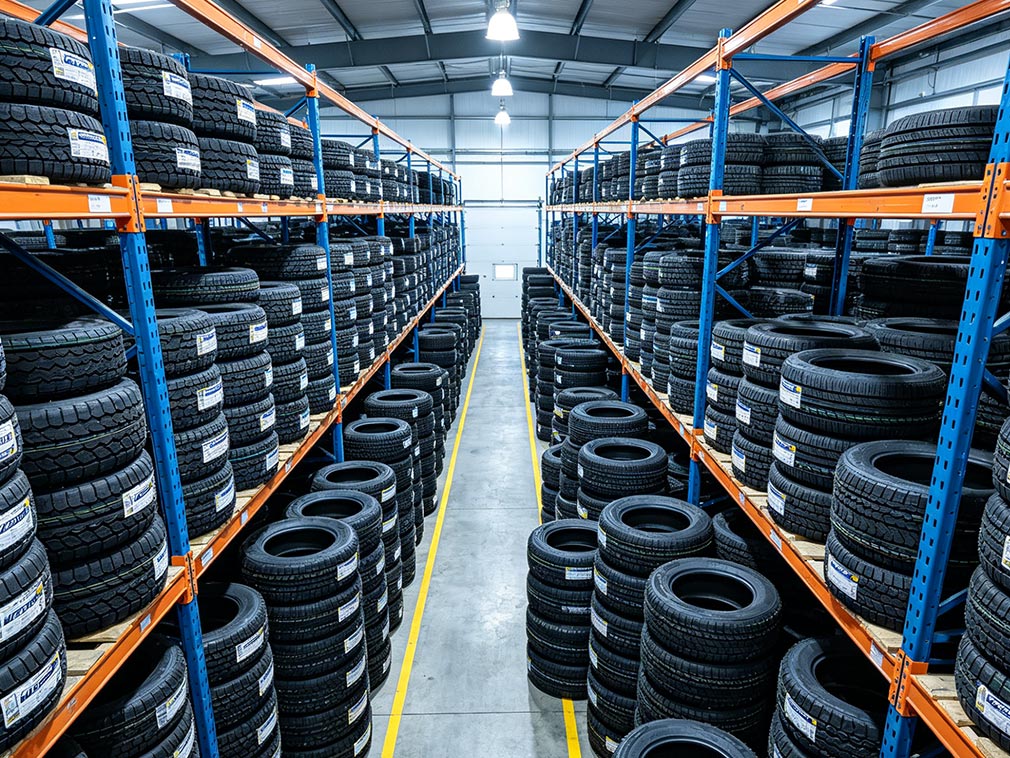
The overseas market, however, showed significant divergence: Continued impact from trade barriers in Europe and the US and regional policy adjustments resulted in an overall "increased volume, decreased price" trend in the industry. Export sales maintained resilient growth, but average product prices remained under pressure, further exacerbating structural differentiation.
Leading companies with overseas production capacity and channel advantages demonstrated strong resilience and continued to increase their market share, while the survival space for small and medium-sized export enterprises continued to narrow.
Currently, the tire industry faces three core contradictions that are becoming increasingly prominent, posing key constraints on high-quality development. First, there is a structural contradiction between costs and end-user prices.
While prices of core raw materials such as synthetic rubber and carbon black have declined in stages, logistics, energy, and labor costs remain relatively high, and the industry's overall cost pressure has not been fully alleviated. In the end-user market, small and medium-sized producers are concentrated in certain sectors, leading to fierce competition due to product homogeneity and widespread price wars, thus compressing the industry's overall profit margins.
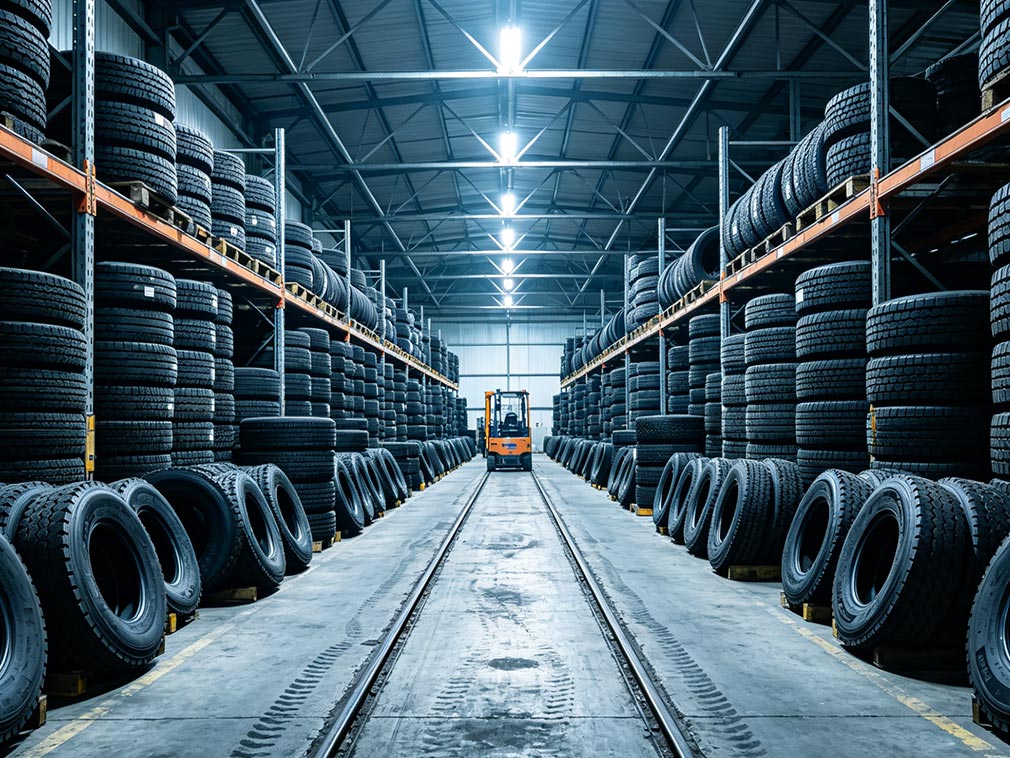
Second, there is a contradiction in foreign trade development. Anti-dumping and anti-subsidy policies in Europe and the United States continue to tighten, further escalating trade barriers and restricting exports of domestic production capacity. Leading companies are accelerating their overseas production capacity layout and release, overcoming trade restrictions through globalization, resulting in a clear polarization in the industry's overseas expansion.
Third, there is a structural contradiction between product supply and demand. High-end passenger car tires and specialty tires have high technological barriers, resulting in insufficient market supply and a tight supply-demand balance. Meanwhile, low-end general-purpose tires suffer from significant overcapacity, and the supply-demand imbalance persists.
In the short term, the tire industry is poised for a clear recovery and upward trend in both volume and profit in the second quarter of 2026, with continued high growth in the industry's prosperity.

Domestic market inventory reduction has largely concluded, channel restocking demand is being released in a concentrated manner, and coupled with the full implementation of the current round of price increases, corporate profitability continues to recover.
Overseas production capacity is gradually entering a period of ramp-up, effectively offsetting the pressure from domestic export barriers. Leading companies have ample orders, capacity utilization is steadily improving, and performance is expected to achieve significant year-on-year growth.
In the long term, the three core trends in industry development continue to strengthen: premiumization, globalization, and increased concentration are becoming the main development themes. Low-end, inefficient, and small-to-medium-sized production capacity is being rapidly eliminated under the pressure of multiple factors such as cost pressures, low-price competition, and restrictions on foreign trade, with outdated capacity continuing to be phased out.
Market resources, high-quality orders, and channel resources are further converging on leading companies with advanced technology, well-established layouts, and significant scale advantages. The competitive landscape of the industry continues to optimize, gradually shifting from low-price, homogeneous competition to comprehensive competition centered on technology, quality, and global layout, with overall development quality steadily improving.




