
Radial Tire Shifts to Quality-Driven Growth
After years of capacity expansion and structural adjustment, China's radial tire industry has formed a dual pattern of domestic structural differentiation and overseas regional differentiation. The industry has officially bid farewell to the era of comprehensive growth and entered an adjustment cycle centered on structural quality improvement and efficiency enhancement.
Currently, the annual production capacity of radial tires in China has exceeded 800 million units. While the total volume is huge, structural imbalances are prominent, with obvious polarization.
In the domestic market, there is severe overcapacity in the traditional fuel vehicle original equipment and low-end replacement sectors. Many small and medium-sized manufacturers offer homogenized products, leading to continuous price competition for market share.
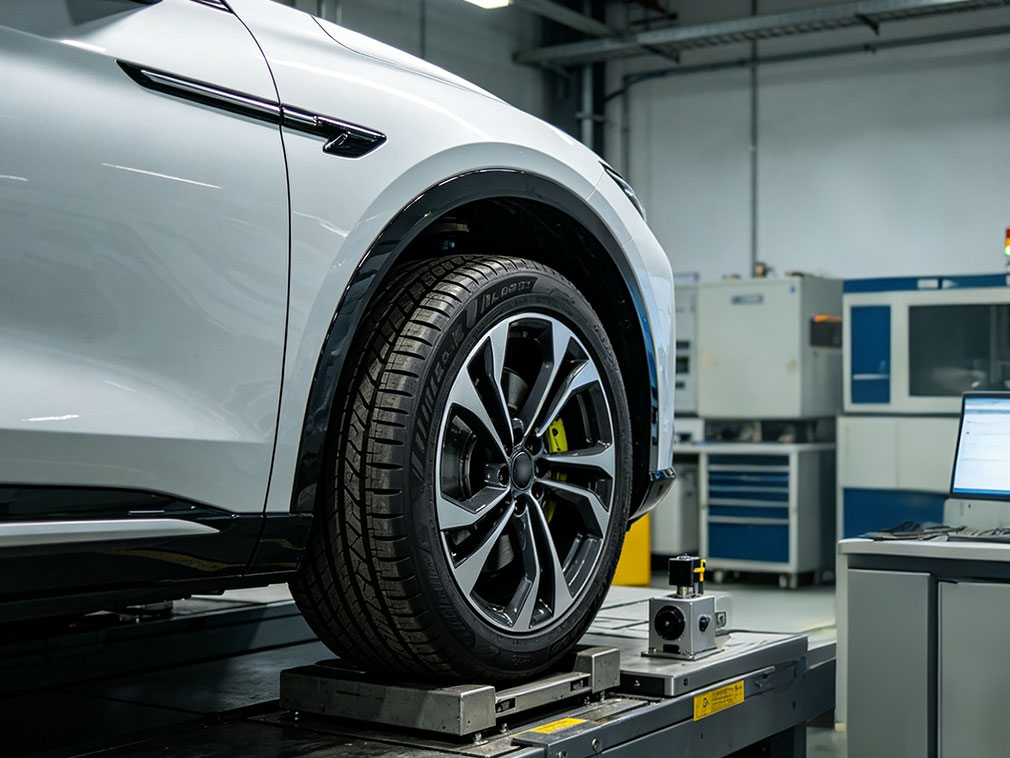
Coupled with fluctuating raw material prices and rigid increases in logistics and labor costs, the overall profit margin of the industry is continuously compressed. Small and medium-sized manufacturers generally maintain only marginal profits, and some inefficient capacity remains idle or semi-shutdown for extended periods.
Meanwhile, the rapid popularization of new energy vehicles is driving continuous growth in demand for high-end tires, and the market gap for low rolling resistance, high wear resistance, and quiet and comfortable new energy-specific radial tires is constantly widening.
Leading companies, leveraging their technological R&D, large-scale production, and stable customer resources, hold a major share of the high-end original equipment and high-end replacement markets, continuously benefiting from industry upgrades. Market concentration is steadily increasing, and the pace of technological upgrades and product iterations is accelerating significantly.
Overseas markets exhibit significant regional differentiation, and the global competitive landscape is rapidly reshaping. Mature markets such as Europe and the United States, with their comprehensive industry standards and stringent environmental and market access policies, have built high trade and technological barriers, leading to a continuous shrinking market share for domestic traditional tire products and increasing obstacles to overseas expansion.
Meanwhile, emerging markets such as Southeast Asia, the Middle East, and Latin America are experiencing steady increases in vehicle ownership and continuous infrastructure projects, resulting in ample incremental demand for tire original equipment and replacement.
These markets are resilient and have become core growth markets for domestic tire companies expanding overseas. To circumvent trade barriers, get closer to end-markets, and reduce logistics costs, localized factory construction and localized production and sales are becoming the main breakthrough paths for companies to cultivate overseas markets.
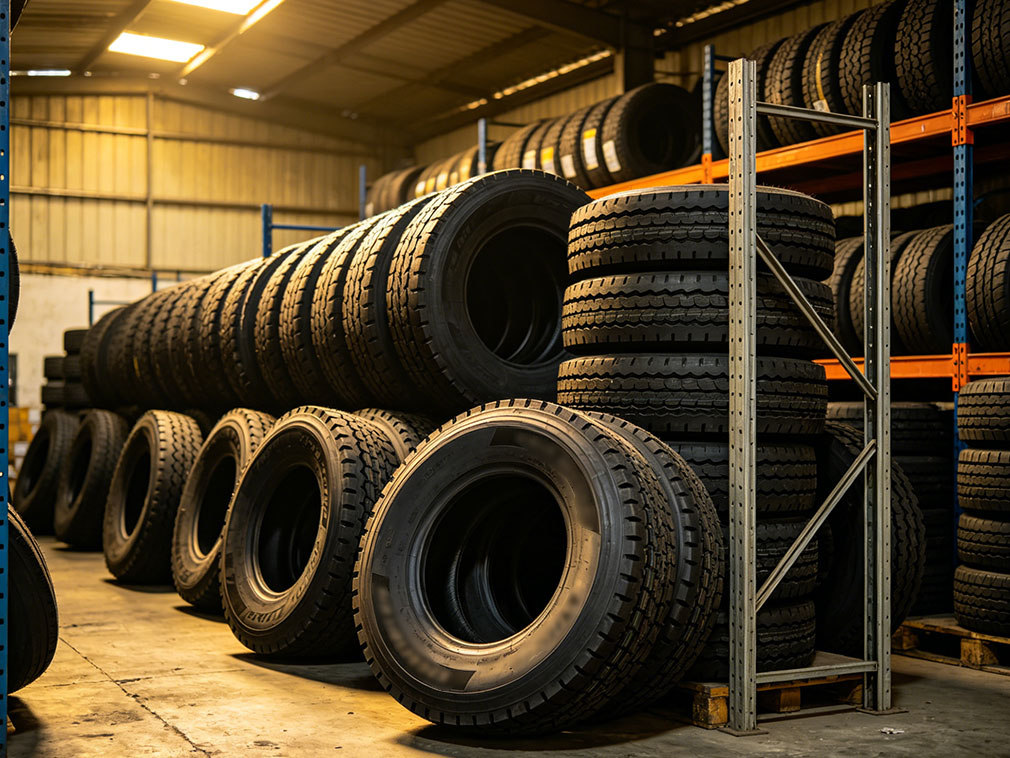
Currently, the core contradictions in the industry's development are concentrated in three dimensions, hindering the industry's progress towards high-quality development. Firstly, there is a mismatch between supply and demand. There is a severe overcapacity in low-end general-purpose tires, exceeding demand, while the production capacity of high-performance radial tires suitable for new energy vehicles and high-end engineering equipment is insufficient, failing to meet market upgrade demands.
Secondly, there is an imbalance between domestic and international profitability. Domestic price competition is becoming the norm, putting pressure on overall industry profits. While high-quality overseas markets offer significant premium potential, entry barriers and brand barriers are continuously rising, making it more difficult for new entrants to establish a foothold.
Thirdly, there are shortcomings in technology and branding. The core formulas and precision manufacturing processes for high-end tires are still dominated by international giants. Domestic companies lack independent R&D capabilities in high-end products and lack globally influential independent brands, resulting in weak brand premium capabilities.
In the long term, the industry's transformation and upgrading direction is clear: greening, intelligentization, high-end development, and globalization are the main themes. As inefficient and outdated production capacity is rapidly eliminated, industry resources will further concentrate on leading high-quality companies, continuously optimizing the market competition landscape.
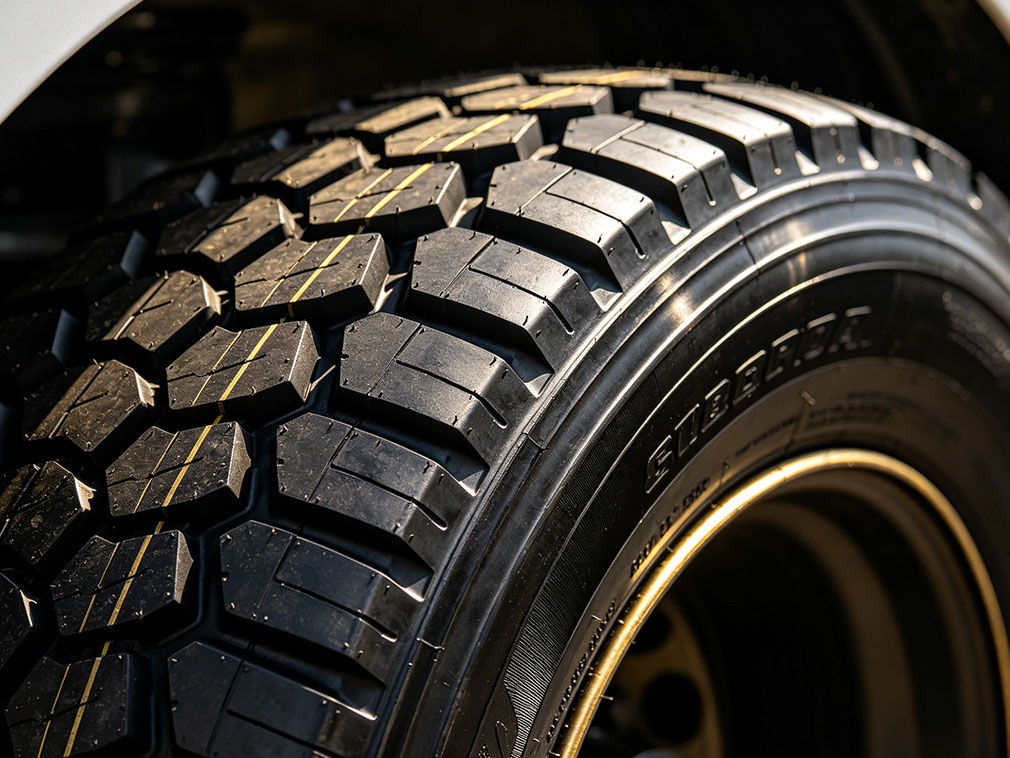
Companies will also continue to increase R&D investment, promote intelligent transformation of production equipment and green upgrades of production processes, and focus on overcoming high-end technological barriers. In the future, capacity optimization and consolidation, intensified concentration among leading companies, independent breakthroughs in core technologies, and globalization and localization will become the main trends for the long-term stable development of the radial tire industry.




