How EVs Are Reshaping Tire Standards
The rapid development of new energy vehicles is profoundly reshaping tire technology standards, gradually disrupting traditional tire R&D and adaptation systems. Compared to comparable gasoline vehicles, new energy vehicles, equipped with battery packs, motors, and electronic control systems, generally have a 30%-50% increase in weight. Simultaneously, the motors deliver greater instantaneous torque and more rapid power response, fundamentally altering the stress state and working environment of tires.
This places higher demands on core performance aspects such as load-bearing capacity, grip, durability, and energy consumption, driving the tire industry towards standardized and professional technological innovation.
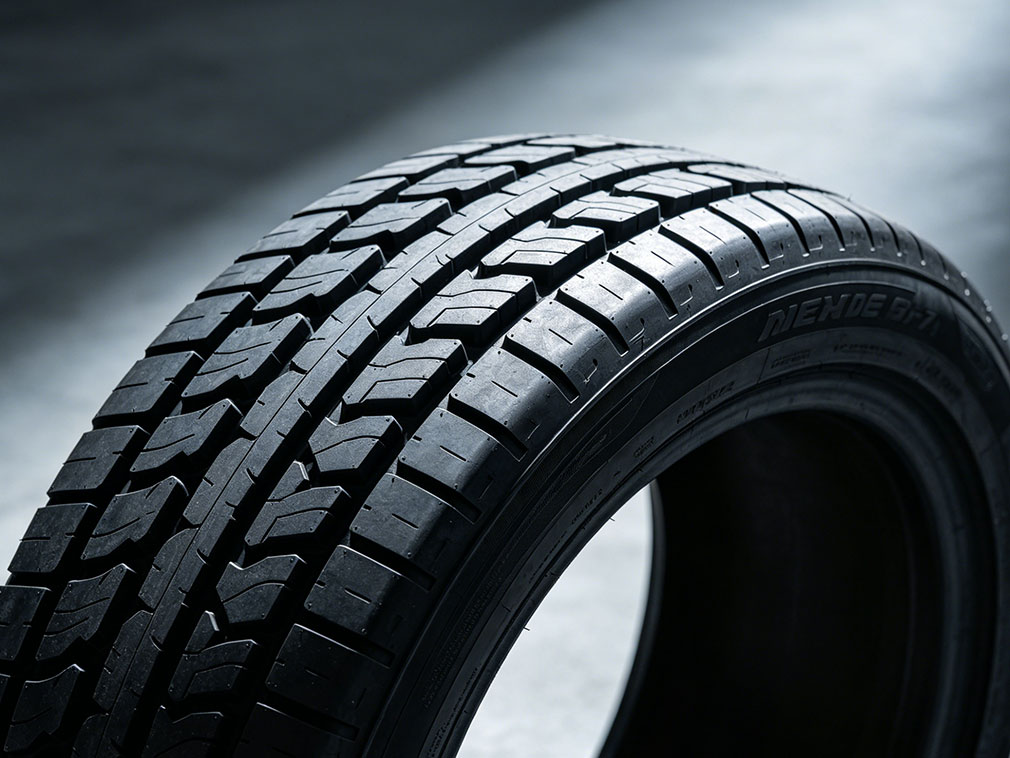
Increased vehicle weight is a core factor driving tire standard upgrades. The load parameters of traditional gasoline vehicle tires are only suitable for lightweight bodies and stable power output. However, new energy vehicles endure higher static loads over extended periods, resulting in significantly increased tire compression and deformation during driving.
Conventional tires are prone to problems such as tire deformation, sidewall bulges, and accelerated wear. To address this shortcoming, the revised versions of the national standards "Passenger Car Tires" (GB 9743-2024) and "Passenger Car Tire Specifications, Dimensions, Pressure and Load" (GB/T 2978-2024), which officially came into effect in 2025, added technical specifications for HL high-load tires. This directly improves the tire load index, better adapting to the increased weight characteristics of new energy vehicles, and filling the gap in load-bearing performance requirements at the standard level.
The instantaneous high torque output also places more stringent demands on tire grip performance. New energy motors can achieve peak power output with almost zero delay, releasing torque completely during start-up and acceleration, with strength far exceeding that of traditional fuel vehicles. If tire grip is insufficient, it can easily lead to problems such as slippage during start-up and loss of control during acceleration.
Therefore, the new national standards emphasize strengthening wet and dry grip performance indicators, refining technical requirements such as contact patch area and tread rigidity. Real-world testing data shows that after 20,000 kilometers, the wet braking distance of ordinary gasoline-powered tires increases by 4.2 meters. In contrast, tires specifically designed for new energy vehicles exhibit significantly reduced wear and tear, resulting in superior braking stability and effectively matching the power output characteristics of these vehicles.
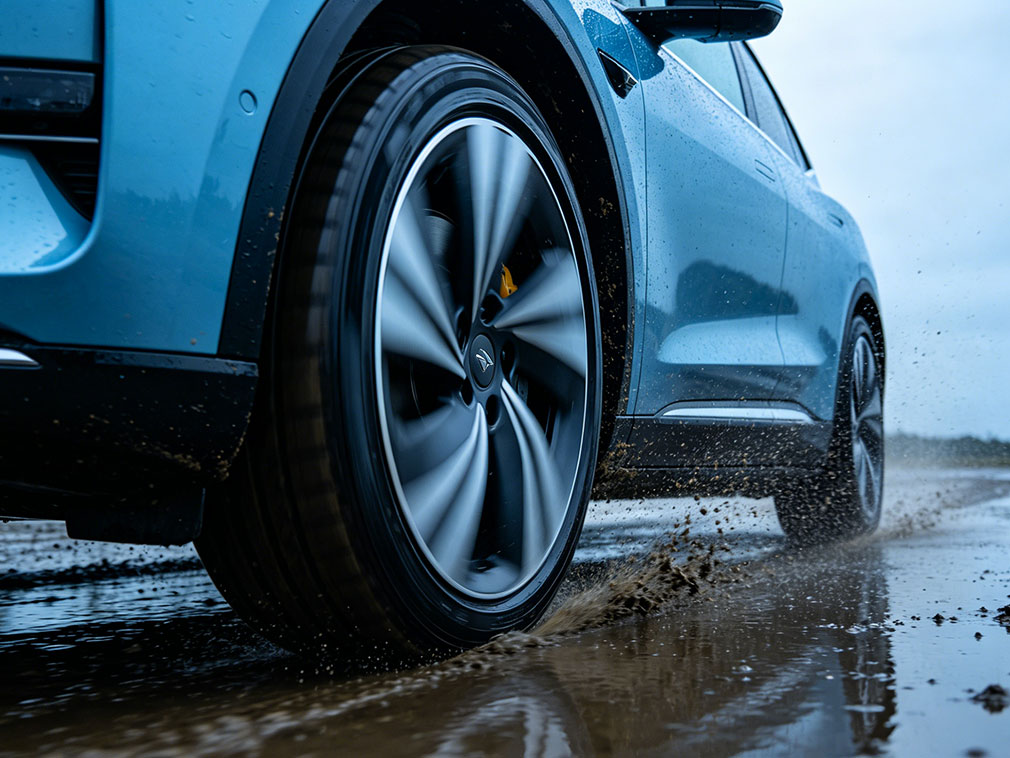
Range anxiety and dual-carbon goals have made low rolling resistance a core performance indicator for new energy vehicle tires. Industry data shows that tire rolling resistance directly impacts overall vehicle energy consumption, accounting for 15%–30% of the energy consumption of new energy vehicles, making it a key component affecting driving range.
Based on standards such as "Limits and Grades of Rolling Resistance for Automobile Tires" (GB/T 29042-2020), new energy vehicle-specific tires effectively reduce rolling resistance by optimizing tread compound formulations and adjusting tire structure. This alleviates the range limitations of new energy vehicles without sacrificing safety performance, while simultaneously contributing to low-carbon vehicle operation.
Furthermore, long-term high-load operation places higher demands on tire durability and safety performance. The frequent start-stop cycles and constant-speed, heavy-load driving characteristics of new energy vehicles accelerate tire aging and wear. Therefore, the industry has adjusted tire lifespan and replacement guidelines accordingly, with recommended replacement intervals for new energy tires typically shorter than for traditional tires.
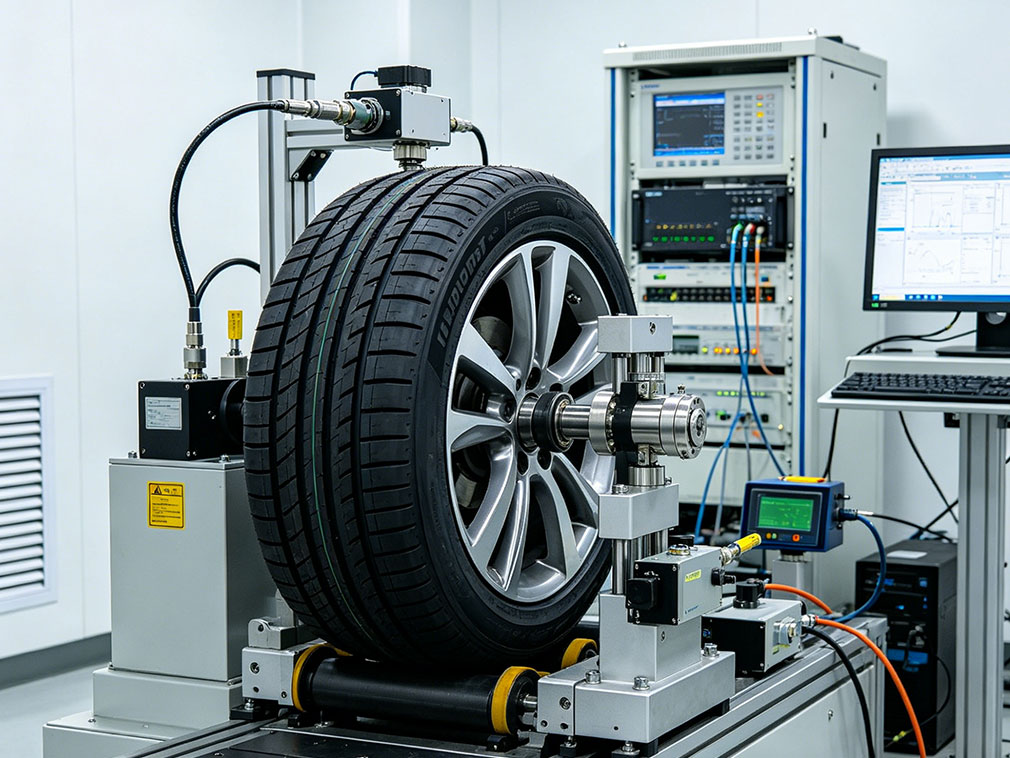
Simultaneously, to adapt to the development trend of intelligent driving, the new industry standard also adds requirements for tire data monitoring, supporting real-time collection and transmission of tire pressure, temperature, and wear status, providing safety redundancy for advanced intelligent driving.
Overall, the widespread adoption of new energy vehicles is driving tires to evolve from general-purpose components to specialized products with high load-bearing capacity, low rolling resistance, high safety, and intelligent features, continuously improving the industry's technical standards system.
-
National Day Highway Charging Hits Record: +60.4% YoY(Oct 8)8256
-
New Energy Vehicle Exports Accelerate: 3.435 Million Units in First 8 Months, Up 120% Year-on-Year(Oct 8)8878
-
Chinese Tire Exports: Volume Up But Revenue Down Nearly RMB 900 Per Ton(Oct 8)5406
-
CNH Industrial: Smart Farming, NE and Local Tech(Sep 30)5569
-
CNHTC Drives Surging NE Heavy Truck Exports(Sep 30)8494