
New energy heavy trucks accelerate iteration
Driven by the continued implementation of "dual-carbon" policies, the green transformation of the freight industry, and the trade-in program for aging commercial trucks, China's heavy-duty truck industry has undergone significant structural changes, with new energy heavy-duty trucks entering a rapid growth phase of large-scale adoption.
Terminal registration data shows that in 2025, domestic sales of new energy heavy-duty trucks reached 231,100 units, a year-on-year increase of 181.8%, with a market penetration rate of 28.9%, approaching the key level of 30%, more than doubling from 13.6% in 2024. Influenced by year-end policy-driven rush installations and concentrated sales volume, December 2025 saw monthly sales of new energy heavy-duty trucks reach 45,300 units, with a penetration rate of 53.89%, exceeding 50% for the first time in a single month and setting a new historical record.
Entering 2026, the growth trend continued, with the pace of green substitution accelerating further. In the first quarter of 2026, domestic heavy-duty truck sales totaled 317,900 units, a year-on-year increase of approximately 20%. Among these, new energy heavy-duty trucks accounted for 43,900 units, a year-on-year increase of 45%, with an overall quarterly penetration rate of 26.7%, maintaining a high level of steady growth.
In just a few years, new energy heavy-duty trucks have transformed from a niche category to a core growth engine in the heavy-duty truck market, continuously replacing the market share of traditional fuel-powered heavy-duty trucks and forcing upstream and downstream supporting industries to accelerate technological iteration and upgrades.
During this process, tires, as core components directly bearing the weight of the vehicle and related to vehicle energy consumption and driving safety, face increasingly urgent demands for customized upgrades tailored to the specific operating conditions of new energy heavy-duty trucks.
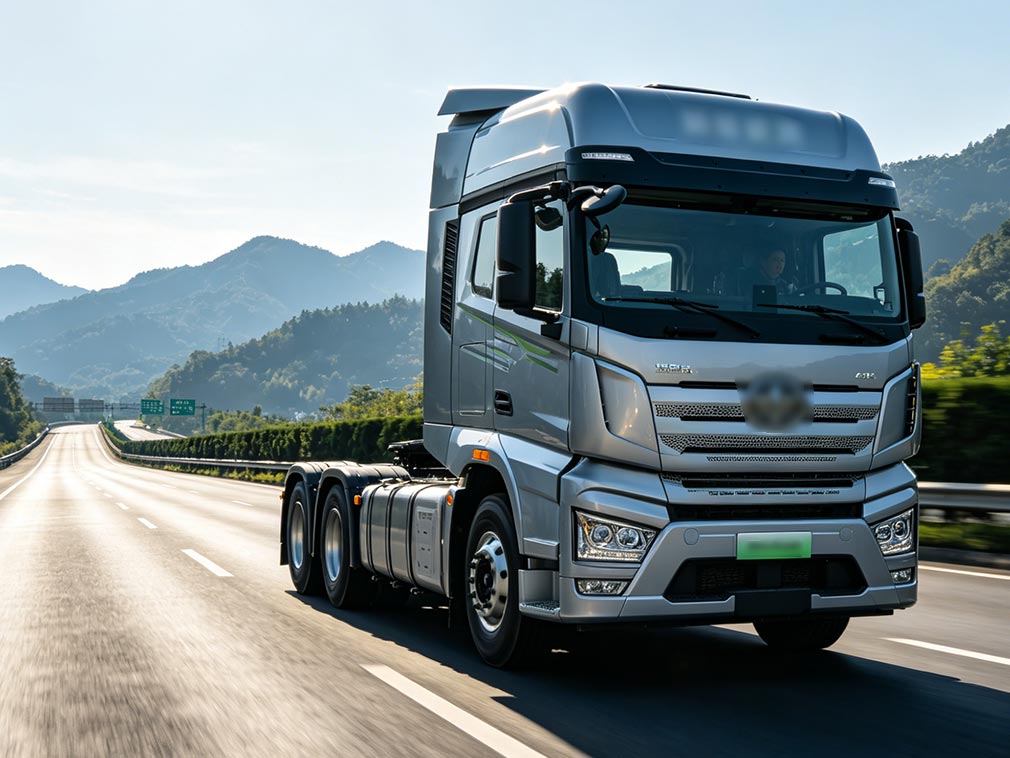
Compared to traditional fuel-powered heavy-duty trucks, new energy heavy-duty trucks have fundamentally different power structures and overall vehicle characteristics, placing drastically different performance requirements on their tires. In terms of power, new energy heavy-duty trucks are equipped with electric motor drive systems, possessing instantaneous high torque output characteristics.
They offer faster power response and greater instantaneous traction during starting, acceleration, and climbing, resulting in a sharp increase in tire ground load and making them prone to problems such as accelerated tread wear and localized stress concentration.
At the vehicle body structure level, the power battery pack significantly increases the vehicle's weight. Under heavy-load conditions, tires are constantly under high load and pressure, resulting in a much higher frequency and magnitude of tire deformation than traditional fuel-powered heavy trucks. Conventional fuel-powered heavy truck tires are no longer adequate for these operating conditions.
Currently, new energy heavy trucks are mainly used in high-frequency, high-intensity transportation scenarios such as port transshipment, mining transportation, urban waste disposal, and long-haul logistics. These vehicles operate for longer periods daily and have a higher frequency of start-stop operations, further amplifying tire wear.
Against this backdrop, low energy consumption and high wear resistance have become core indicators for new energy heavy truck tires and key areas of technological research and development in the industry.
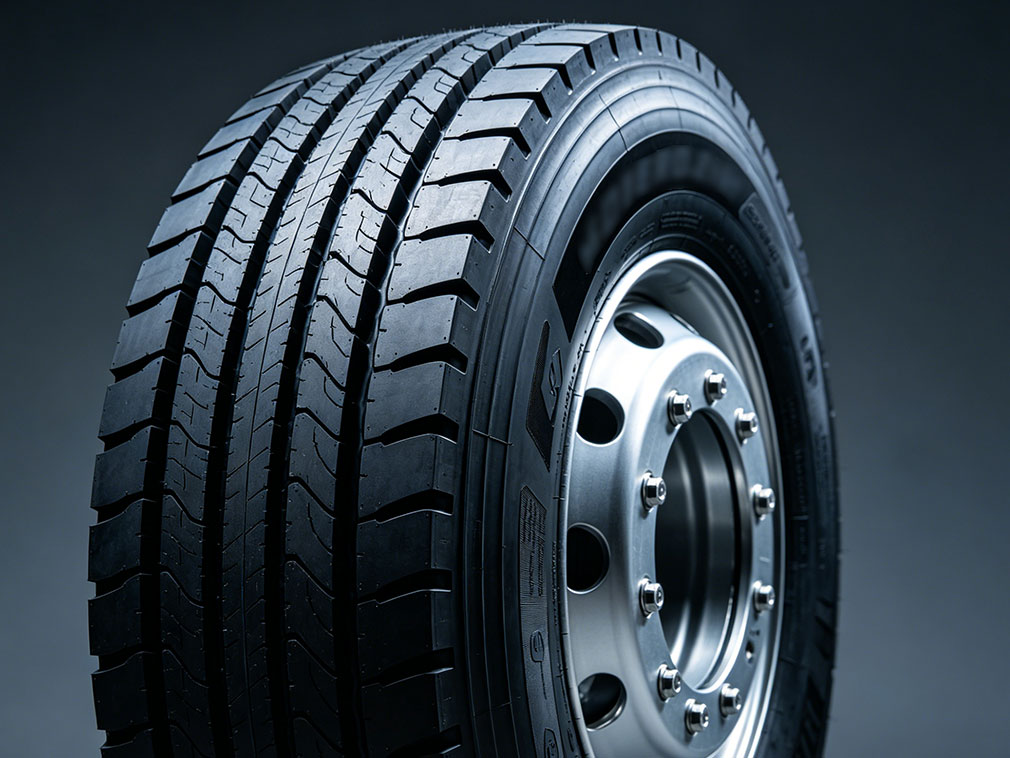
On the one hand, low rolling resistance performance is directly related to overall vehicle energy consumption; optimizing the rolling resistance coefficient can effectively reduce driving energy consumption, helping new energy heavy trucks overcome their range limitations. On the other hand, excellent wear resistance reduces tread wear, lowering the probability of tire damage, bulges, and uneven wear, ensuring stable high-intensity vehicle operation.
"Higher range and longer replacement cycle" has always been the development goal of new energy vehicle tires, and this demand is even more prominent in the heavy truck sector. For logistics and transportation companies, heavy-duty trucks are production tools, and the energy consumption compatibility and replacement cycle of tires directly impact operating costs and transportation efficiency.
Longer replacement cycles effectively reduce vehicle maintenance frequency, decrease parts replacement costs and downtime losses, thereby improving the overall operational efficiency of the fleet. From an industry development perspective, as the penetration rate of new energy heavy-duty trucks continues to rise, the market demand for specialized tires is constantly expanding, and traditional general-purpose heavy-duty truck tires are gradually being phased out due to their inability to adapt to new operating conditions.
Currently, leading domestic tire companies are focusing on technological breakthroughs for the specific operating conditions of new energy heavy-duty trucks. By optimizing low rolling resistance tread compound formulations, strengthening tire carcass structural rigidity, and improving wear-resistant tread pattern layout and ground contact profile design, they are addressing both low energy consumption and high wear resistance, adapting to the high torque, high weight, and frequent start-stop characteristics of new energy heavy-duty trucks.
With the continued increase in the penetration rate of new energy heavy-duty trucks expected by 2026, the market demand for specialized and customized heavy-duty truck tires is expected to surge. General-purpose tires designed for traditional fuel-powered heavy-duty trucks are no longer sufficient to meet the new operating conditions and are gradually withdrawing from the mainstream original equipment market.
In the future, as new energy heavy trucks continue to iterate towards large-scale and high-efficiency production, coupled with the accelerated electrification process, the trend of specialization, customization, and refinement in heavy truck tires will be further deepened, becoming an important supporting guarantee for the high-quality development of China's new energy commercial vehicle industry.




