China's Tire Industry Faces Global Trade Barriers
In recent years, the global economic and trade landscape has been under continuous pressure, with a significant increase in various implicit non-tariff barriers. The previously highly collaborative and interconnected global industrial chain division of labor has been significantly impacted, and many export-oriented manufacturing industries are facing operational pressures. The development difficulties encountered by China's tire industry are a typical microcosm of the current changes in the global industrial chain.
Currently, global trade competition has long surpassed traditional tariff confrontations. Implicit barriers such as technical standards, environmental access, and compliance certifications are increasingly becoming core tools in geopolitical games.

Many European and American countries have frequently introduced stringent environmental, safety, and energy consumption standards for tires, continuously raising import entry barriers, and then adding targeted tariff barriers to precisely squeeze the export space of Chinese tire products.
These measures are not simply industrial protection; essentially, they are using rule barriers to sever the global industrial division of labor and hinder the deep integration of Chinese manufacturing into the global market. As a major global tire producer and exporter, China's tire industry is deeply embedded in the global industrial chain, with export markets covering numerous countries and regions worldwide.
The continued escalation of overseas trade barriers has directly led to a large number of domestic tire companies facing export obstacles, idle production capacity, and squeezed profits. The industry as a whole is operating under pressure, profoundly reflecting the deep-seated crisis of the artificially torn global industrial chain system.
Looking globally, the continued rise of trade protectionism has become a prominent obstacle dragging down global economic recovery and disrupting supply chain stability. According to estimates by the World Trade Organization, every 1% increase in global trade barriers could result in a 0.5% loss in global GDP.
Coupled with the intensive tariffs and trade restrictions imposed by many countries since 2025, global merchandise trade volume continues to be under pressure, and the vitality of cross-border industrial investment has significantly weakened.
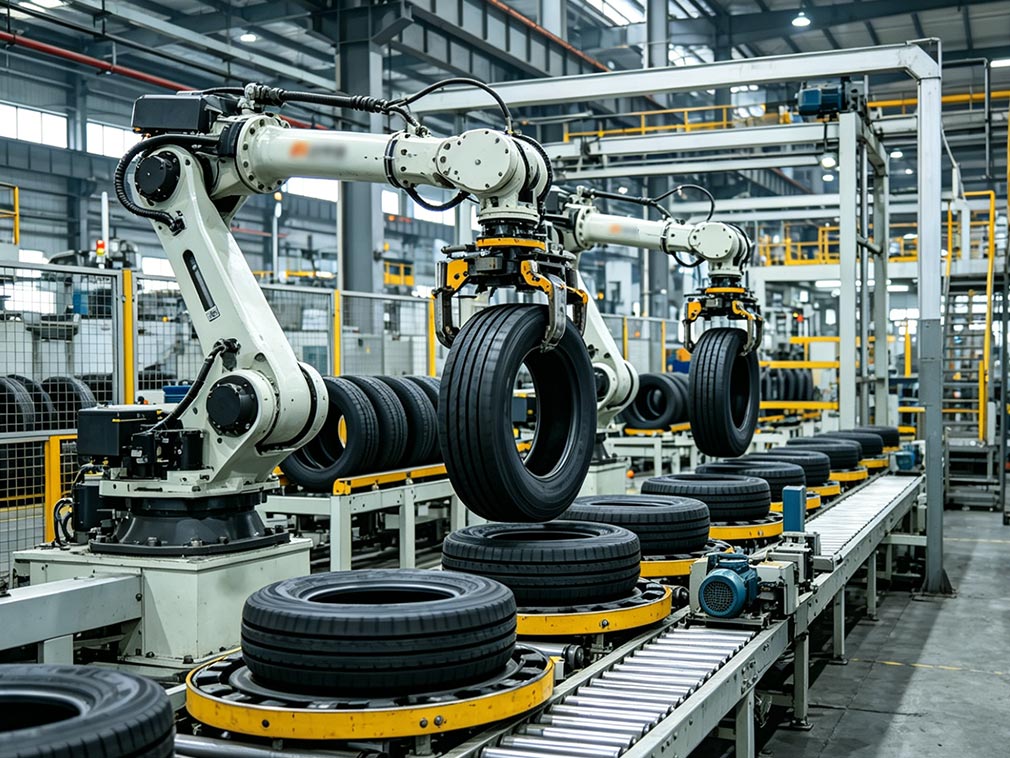
Relevant monitoring data shows that the global trade friction index has remained high since 2025, with no significant signs of cooling down in 2026. The trade restrictions imposed by various countries have triggered a chain reaction, not only pushing up global industrial production and commodity circulation costs and exacerbating inflationary pressures, but also inhibiting collaborative innovation in global industrial technologies.
The original model of technological complementarity, cost optimization, and efficient resource allocation, based on global division of labor, has been disrupted. The efficiency of upstream and downstream collaboration in the industrial chain has plummeted, and resilience to risks has weakened. A fragmented, regionalized, and localized supply chain structure is gradually taking shape, severely hindering the long-term recovery of the global economy.
Faced with a severe and complex external trade environment, Chinese tire companies have begun to implement diversified short-term countermeasures to proactively address export difficulties. Most companies are actively adjusting their overseas market structure, gradually reducing their reliance on traditional markets in Europe and the United States, and vigorously developing emerging markets such as Southeast Asia, Africa, and Latin America. They are leveraging these markets' demographic dividends and infrastructure development needs to offset export gaps in traditional markets.
Meanwhile, leading companies are establishing factories overseas, using localized production and sales models to effectively circumvent high tariff barriers and trade access restrictions, solidify their overseas market share, and alleviate domestic overcapacity pressures. These market-oriented adjustment strategies can quickly hedge against short-term trade risks and buy time for industry transformation and upgrading, but they only mitigate superficial risks and cannot fundamentally break through the deep-seated constraints on industry development.
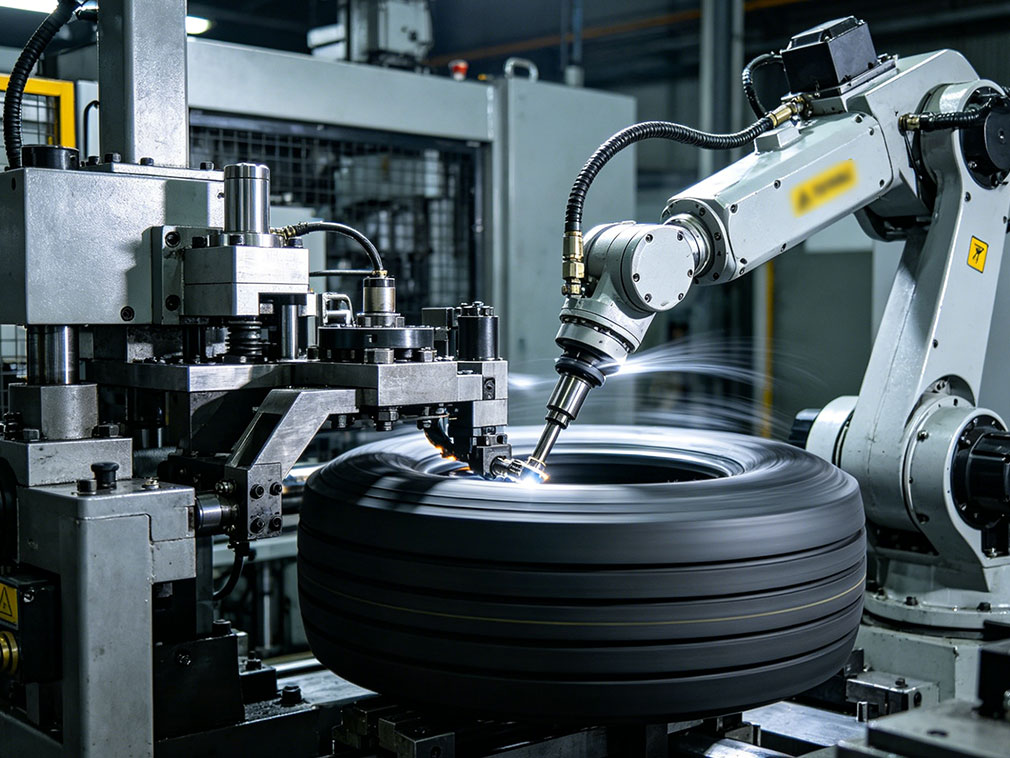
From a long-term development perspective, the key to breaking through the bottlenecks in core technologies and reshaping core competitive advantages lies in the Chinese tire industry and even the entire export-oriented manufacturing sector.
Currently, the domestic tire industry generally suffers from shortcomings such as reliance on imported high-end materials, insufficient localization of core manufacturing equipment, and low product added value. The high-end market has long been dominated by overseas brands, which is the underlying reason why domestic companies frequently encounter trade barriers and have weak bargaining power.
Looking to the long term, companies need to focus on key areas such as tire specialty rubber materials, intelligent manufacturing equipment, low-carbon production processes, and high-performance tire R&D, continuously increasing R&D investment to overcome "bottleneck" technological challenges and gradually reduce excessive dependence on overseas technology, equipment, and materials.
Simultaneously, they must accelerate product structure upgrades, reduce low-end homogeneous production capacity, concentrate efforts on developing and producing green, energy-saving, and high-performance tires, and effectively improve the core added value and global competitiveness of their products.
The restructuring of the global industrial chain presents both challenges and opportunities. While trade protectionism has disrupted the original trade pattern, it has also forced the domestic manufacturing industry to abandon its extensive development model and shift towards a high-quality development path driven by technology and quality.
Only by breaking free from the mindset of short-term risk aversion, cultivating core technologies, and consolidating the industrial foundation can China's manufacturing industry gain a foothold in the reshaping of the global supply chain, escape the predicament of passive competition, and inject lasting momentum into stabilizing the global industrial chain and promoting the healthy development of global trade.
-
National Day Highway Charging Hits Record: +60.4% YoY(Oct 8)8264
-
New Energy Vehicle Exports Accelerate: 3.435 Million Units in First 8 Months, Up 120% Year-on-Year(Oct 8)8882
-
Chinese Tire Exports: Volume Up But Revenue Down Nearly RMB 900 Per Ton(Oct 8)5408
-
CNH Industrial: Smart Farming, NE and Local Tech(Sep 30)5577
-
CNHTC Drives Surging NE Heavy Truck Exports(Sep 30)8500