
China Tire Exports Surge 12.5% in Early 2026
According to data released by China's General Administration of Customs on March 18, 2026, China's rubber tire exports achieved double-digit growth in both volume and value from January to February 2026. The cumulative export volume reached 1.55 million tons, a year-on-year increase of 12.5%. The export value was 26.2 billion yuan, a year-on-year increase of 5.8%.
This solid start not only demonstrates the strong competitiveness of China's tire industry in the international market but also lays a solid foundation for continued export growth throughout the year.
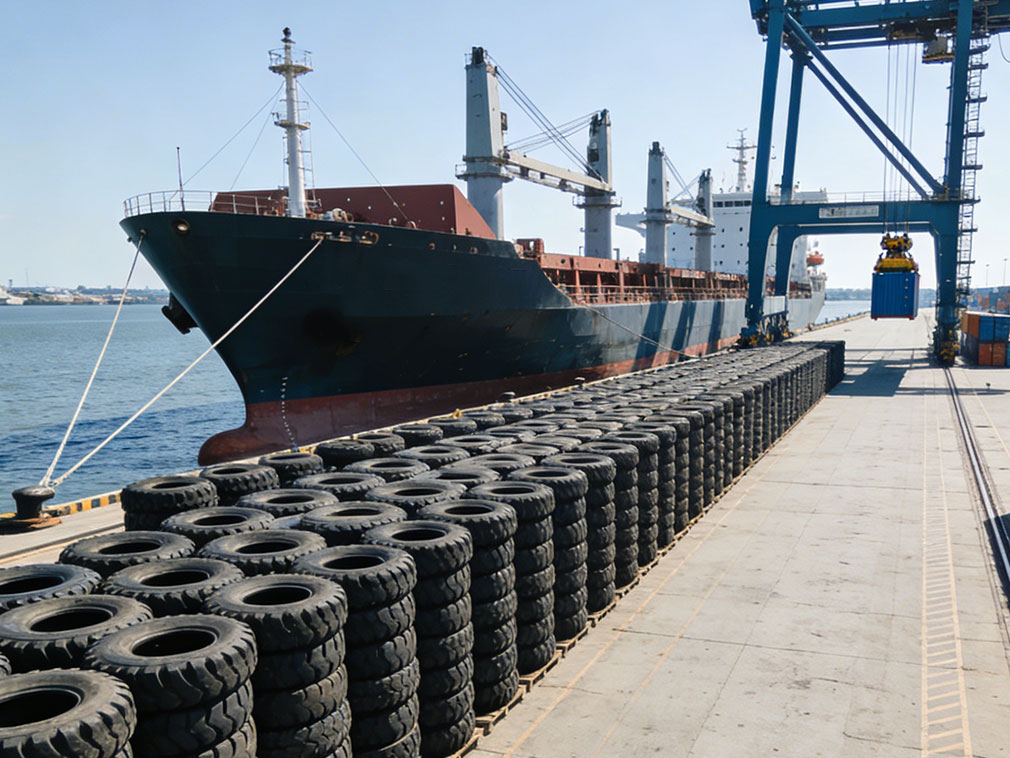
Looking at specific product categories, new pneumatic rubber tires continued to be the main export driver. In the first two months, the export volume of this product reached 1.48 million tons, a year-on-year increase of 12%, accounting for 95.5% of the total rubber tire exports during the same period; the export value reached 25.1 billion yuan, a year-on-year increase of 5.3%, accounting for 95.8% of the total export value.
In terms of the number of tires, the export volume reached 120.09 million, a year-on-year increase of 12.1%, with the growth rate basically in line with the weight, indicating that the overall export product structure is stable and there has been no significant deviation in specifications.
Automobile tires, as an important export category, also maintained steady growth. In January and February, tire exports reached 1.29 million tons, a year-on-year increase of 11.3%, accounting for 83.2% of total rubber tire exports. The export value reached 21.1 billion yuan, a year-on-year increase of 4.1%, accounting for 80.5% of total export value.
Although the growth rate in value was slightly lower than the overall level, mainly due to overseas market pricing strategies and the pace of global automotive industry recovery, it still maintained positive growth overall, demonstrating strong support from downstream demand for tire exports.
This export growth benefited from a combination of favorable factors. From the supply side, in the first quarter of 2026, domestic tire industry capacity was released in an orderly manner, with leading companies intensively implementing new capacity expansion projects.
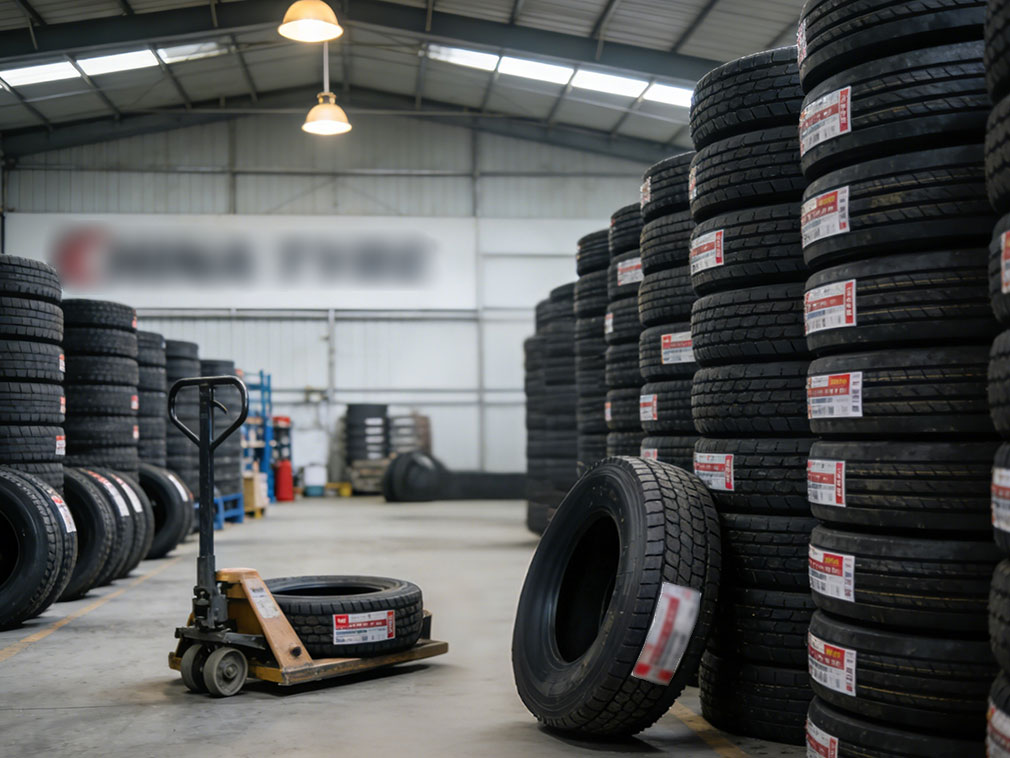
For example, the annual expansion projects of companies like Zhongce Rubber and Sailun Tire progressed steadily, and the operating rate of semi-steel tires remained above 95%, providing ample support for exports.
At the same time, companies accelerated technological upgrades, with low rolling resistance and high load-bearing capacity tires for new energy vehicles gradually increasing in volume. This not only increased product added value but also aligned with the global automotive industry's green transformation trend, injecting new momentum into exports.
On the demand side, overseas markets showed a "not-so-slow off-season" characteristic. February 2026 is traditionally a slow season for the tire industry, but leading tire companies saw strong export orders to the US, with some companies experiencing significant year-on-year increases in cumulative orders from the US market, demonstrating that overseas demand has shown resilience beyond expectations.
In terms of market structure, the EU, the US, Russia, and Vietnam remain the main export destinations, with market demand steadily recovering. Meanwhile, the Belt and Road Initiative continues to advance, and Chinese tires are gaining market share in emerging markets such as Russia and the Middle East, gradually forming a dual-engine growth pattern of "expanding volume in emerging markets and stabilizing market share in mature markets."
Improved costs have also created favorable conditions for exports. As of early March 2026, the comprehensive price index for tire raw materials remained within a reasonable range over the past three years.
Although natural rubber prices remain high, they are expected to gradually decline with the start of a new round of tapping in mid-to-late March; synthetic rubber prices are also expected to weaken after April, thus alleviating cost pressures on companies.
Furthermore, global shipping freight rates on major routes remain low, the US dollar continues its depreciation trend, and the euro exchange rate is relatively stable, effectively reducing export logistics and exchange costs, further enhancing the international price competitiveness of Chinese tires.
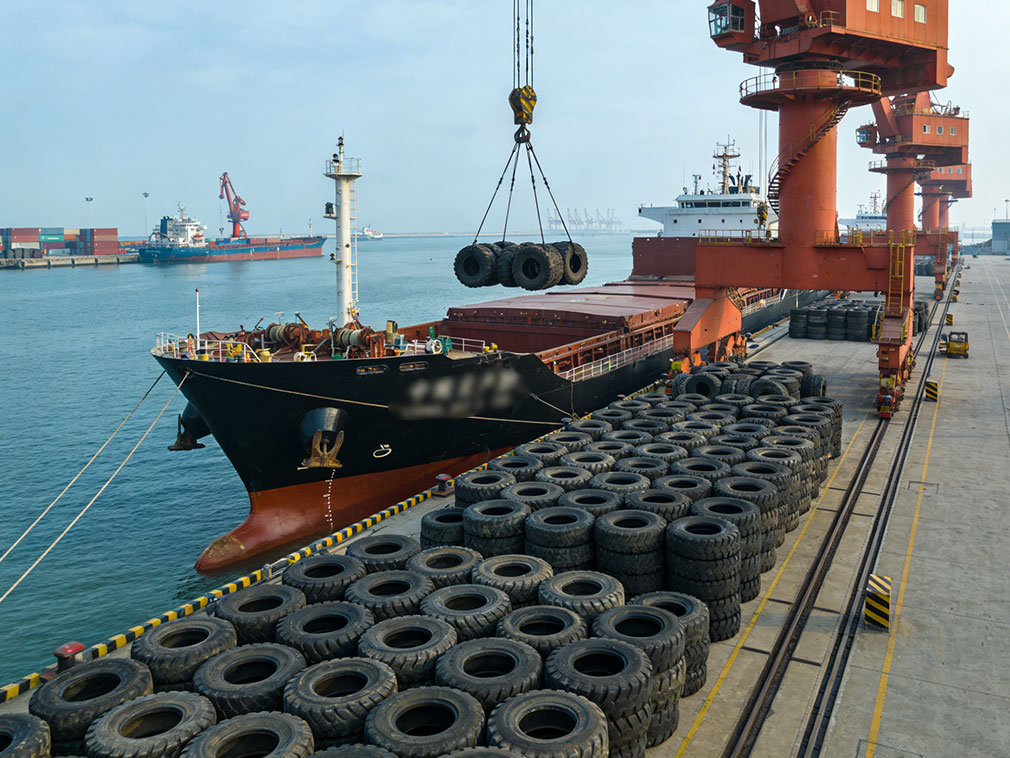
It is worth noting that tire exports still face certain uncertainties. The EU's carbon border adjustment mechanism and upgraded tire labeling laws have increased compliance costs. Meanwhile, geopolitical instability in the Middle East has led to increased transportation costs on some routes, resulting in the suspension or cancellation of some orders.
Looking ahead, with the release of overseas production capacity, continued technological innovation, and the gradual recovery of the global economy, China's rubber and tire exports are expected to maintain steady growth, further enhancing its global market share and industry influence.
-
National Day Highway Charging Hits Record: +60.4% YoY(Oct 8)8264
-
New Energy Vehicle Exports Accelerate: 3.435 Million Units in First 8 Months, Up 120% Year-on-Year(Oct 8)8882
-
Chinese Tire Exports: Volume Up But Revenue Down Nearly RMB 900 Per Ton(Oct 8)5408
-
CNH Industrial: Smart Farming, NE and Local Tech(Sep 30)5575
-
CNHTC Drives Surging NE Heavy Truck Exports(Sep 30)8500




