
Chinese Tire Firms Expand Globally Amid
For tire companies, while cultivating the domestic market, actively expanding international business has become a crucial strategic choice to address the pressure of overcapacity. Currently, China's tire industry faces a complex situation of both oversupply and intensified competition.
In 2025, China's total tire production capacity is projected to reach 1.28 billion units, with an output of approximately 1.02 billion units, while domestic market demand is only about 580 million units. This excess capacity urgently needs to be absorbed through overseas channels.
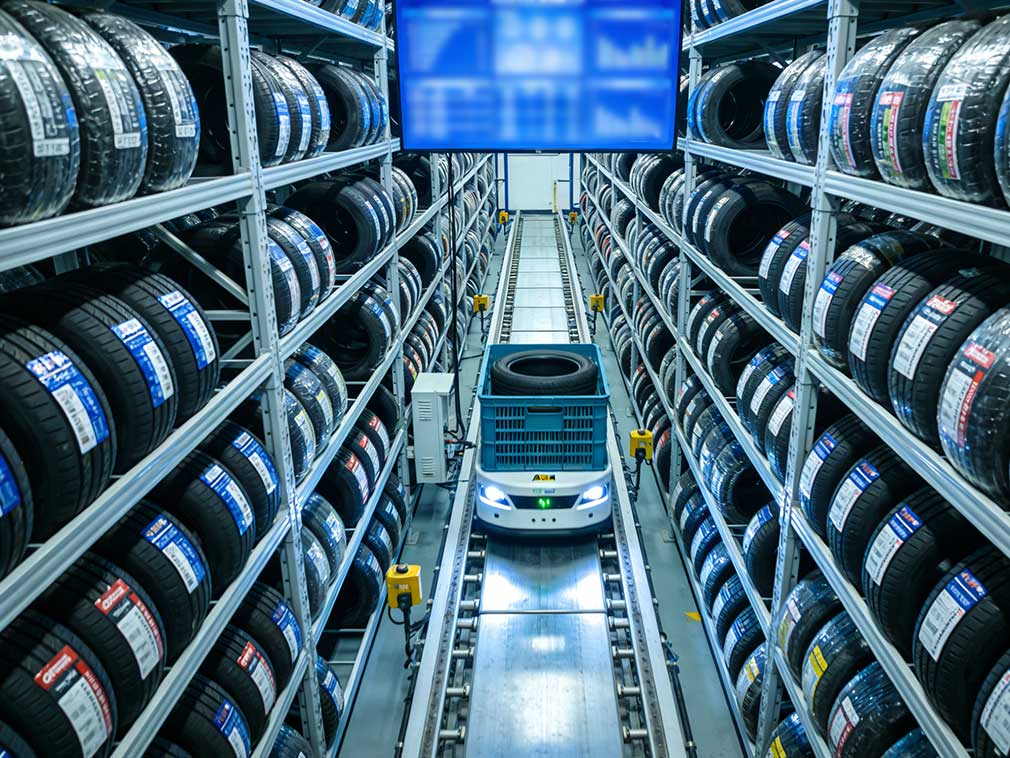
Against this backdrop, relying solely on the domestic market is no longer sufficient to support sustainable development. Implementing a "going global" strategy and proactively integrating into the global market is becoming a key path for companies to break through growth bottlenecks and move towards high-quality development.
By establishing production bases overseas, companies can not only effectively circumvent trade barriers but also get closer to target markets, accurately understand consumer needs, and thus enhance the international competitiveness of their products.
In recent years, protectionist tendencies in major markets such as Europe and the United States have continued to strengthen. The EU plans to impose high tariffs on Chinese passenger car tires, and the United States also plans to extend its tariff policy on Chinese tires, putting significant pressure on traditional export models.
Faced with this challenge, by the end of 2025, more than 20 Chinese tire companies, including Sailun, Linglong, and Zhongce, had established over 30 overseas production bases in 15 countries and regions worldwide, with overseas production capacity accounting for over 35% of their total capacity.
Among them, Linglong Tire's factories in Thailand and Serbia successfully circumvented barriers in the European market, with overseas OEM business increasing by 41% year-on-year. General Tire's dual bases in Thailand and Cambodia maintained strong production and sales, with revenue increasing by 24.59% year-on-year in the first three quarters of 2025, fully demonstrating the strategic value of overseas factories in improving market responsiveness and operational efficiency.
At the same time, overseas bases also enable companies to optimize product design according to local road conditions and climate, improving tire adaptability and market acceptance.
From an export perspective, overseas markets are becoming an important growth engine for China's tire industry. In the first 11 months of 2025, China's total rubber tire exports reached 153.691 billion yuan, a year-on-year increase of 2.5%. Exports to Africa surged by 125%, and exports to Russia increased by 75%, with a diversified market layout effectively mitigating the uncertainties brought about by policy risks in a single region.
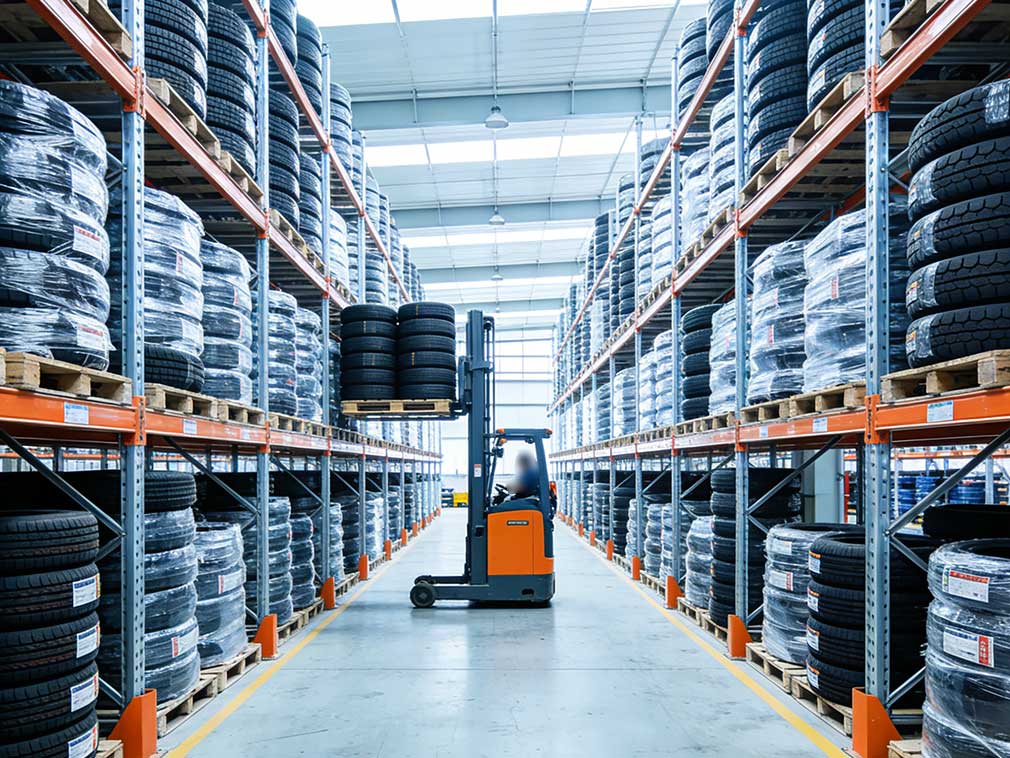
In the first two months of 2026, exports reached 1.55 million tons, a year-on-year increase of 12.5%, with an export value of 26.2 billion yuan, a year-on-year increase of 5.8%, continuing the steady growth trend and further highlighting the vast potential of the international market.
However, it is worth noting that the export market in 2025 showed a trend of "increased volume but decreased price," and the industry's "involution" phenomenon intensified. This requires tire companies to pay more attention to improving product quality and strengthening brand building in their internationalization process, in order to escape low-end price competition and achieve a transformation from "product export" to "value export."
Furthermore, strengthening upstream and downstream collaboration in the industrial chain and building a complete and resilient industrial system is also a key link in enhancing risk resistance. Raw material costs account for as much as 70% to 85% of tire manufacturing costs. The prices of core raw materials such as natural rubber and synthetic rubber fluctuate dramatically, and their production is highly concentrated in Southeast Asia, making the supply structure relatively fragile.
To address this challenge, leading companies are gradually increasing their cooperation with upstream and downstream partners: On the raw material side, they are increasing the application rate of alternative materials such as solution-polymerized styrene-butadiene rubber (SBR) through technological innovation, reducing reliance on traditional rubber, and expanding into emerging production areas such as Côte d'Ivoire to diversify their procurement sources.
On the downstream side, they are actively deepening strategic cooperation with automakers, participating in the collaborative R&D of tires specifically for new energy vehicles to meet the higher performance requirements of electric vehicles, such as low rolling resistance and high load-bearing capacity, and to seize market share in the original equipment market.
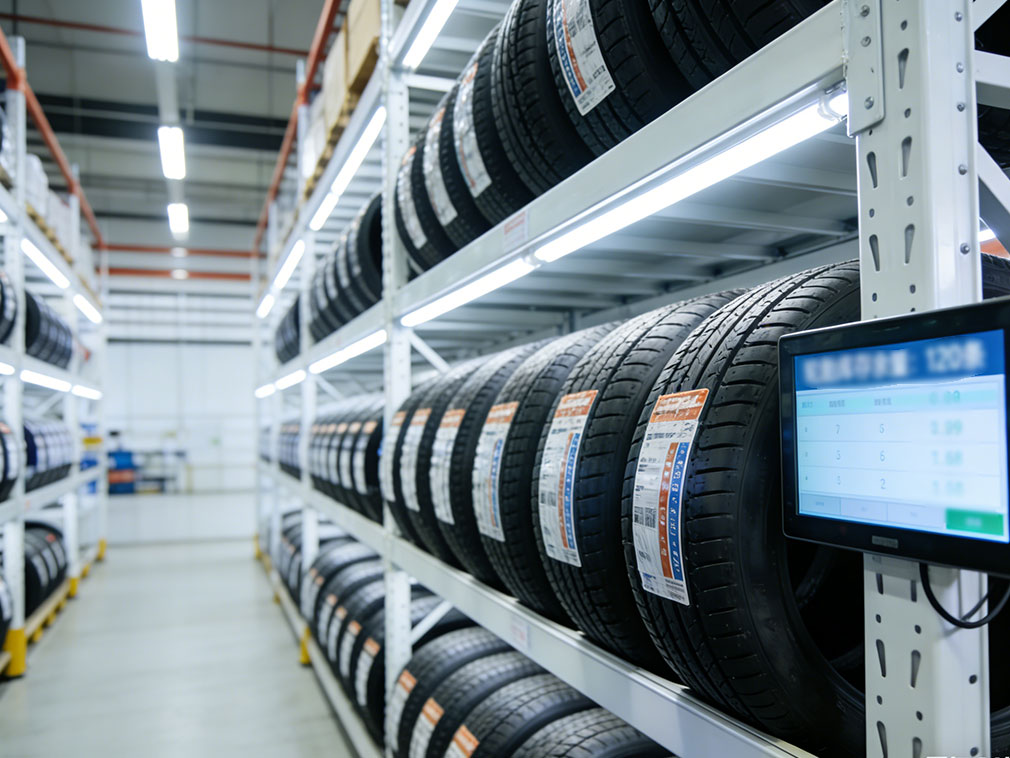
Building a complete industrial chain system also requires attention to collaborative upgrading and green transformation. Zhongce Rubber's Indonesian plant has built a carbon black production line and a tail gas co-production project to achieve resource recycling; some companies have introduced blockchain technology to trace and manage the entire chain from rubber planting to waste tire recycling, increasing the waste tire recycling rate to 25%, reducing costs while meeting the requirements of green development.
Meanwhile, companies are continuously increasing their R&D investment. By 2025, leading companies' R&D intensity exceeded 4%, focusing on high-value-added technologies such as sound-absorbing materials and self-healing materials. They are building technological barriers through patent strategies, continuously enhancing brand premium capabilities, and strengthening the overall systemic competitiveness of the industry chain.
Overall, facing a new industry landscape of overcapacity and intensified competition, tire companies should adhere to a development strategy of "both internal and external strength": on the one hand, continuously promoting the "going global" strategy, optimizing global production capacity layout, and cultivating diversified international markets to circumvent trade barriers and get closer to consumers.
On the other hand, strengthening industry chain collaboration, building an independent, controllable, green, and efficient modern industrial system, and improving risk resistance and market responsiveness through technological innovation and supply chain optimization.
Only in this way can they consolidate their competitive position and achieve long-term sustainable development during this year of industry reshuffling.




