
Low Rolling Resistance Tires in EV Era
In recent years, the global automotive industry's electrification transformation has accelerated, with electric vehicle penetration steadily increasing, driving explosive growth in related supporting industries. Among these, the market demand for low rolling resistance tires, specifically designed for high-performance electric vehicles, is particularly strong, becoming the fastest-growing segment in the tire industry.
Data shows that the global electric vehicle penetration rate is exhibiting differentiated growth: Nordic countries like Norway have penetration rates exceeding 90%, China is around 53%, and major European countries maintain around 30%.
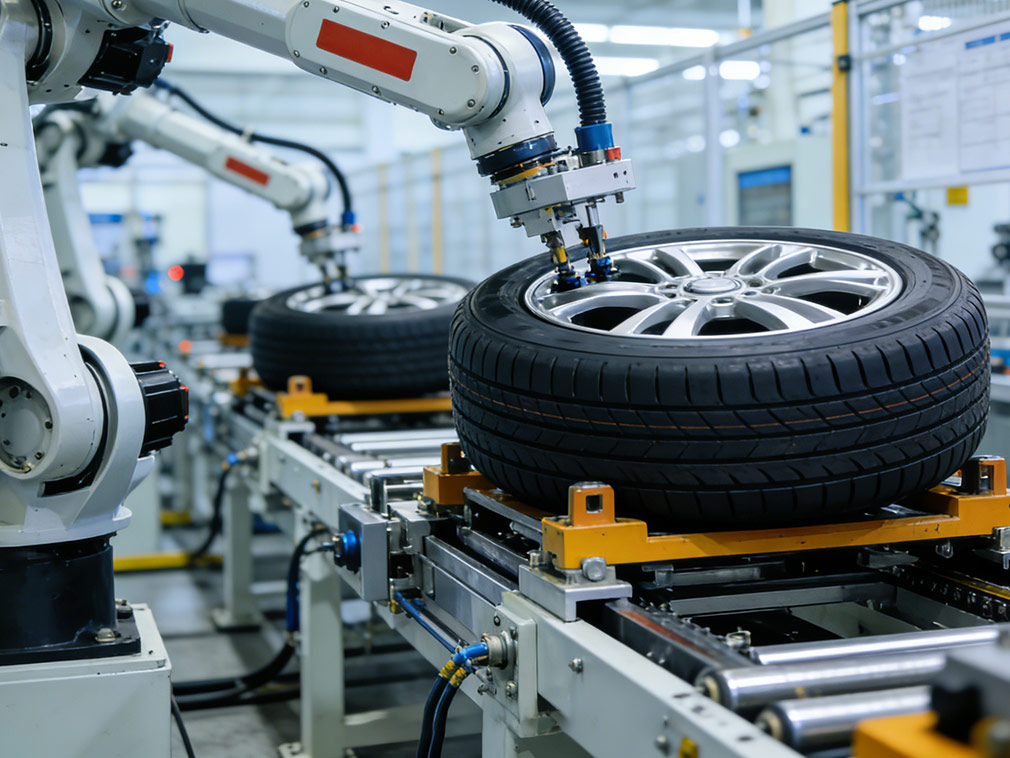
The large existing market and potential for growth have strongly driven the surge in demand for low rolling resistance tires. Orders for related products from major tire manufacturers such as Continental and Hankook have increased by over 30% year-on-year, indicating continued strong industry activity.
The rapid growth in demand for low rolling resistance tires is essentially an inevitable result of the dual drivers of electric vehicle performance requirements and global environmental policies. Compared to traditional gasoline vehicles, pure electric vehicles require a power battery system weighing 300-500 kg, significantly increasing the overall vehicle weight, making range one of the core indicators of consumer concern.
Low rolling resistance tires, through optimized rubber compounds, tire carcass structure, and tread pattern design, effectively reduce energy loss during tire rolling, typically reducing vehicle energy consumption by 3% to 8% and contributing to a 3% to 5% increase in driving range. This aligns perfectly with the core demands of electric vehicles for energy efficiency and range.
Simultaneously, major global economies are continuously tightening carbon emission regulations, forcing the automotive industry chain to transform towards green and low-carbon practices. As a key component directly reducing carbon emissions from vehicle operation, low rolling resistance tires have become an important technological path for OEMs to achieve their environmental goals.
Continuous technological iteration is driving the performance improvement of low rolling resistance tires, further releasing market demand. Current technological optimizations mainly focus on three areas: using high-silica rubber compounds to reduce intermolecular frictional heat generation, optimizing tire carcass structure to reduce rolling deformation, and designing low-resistance tread patterns to reduce ground friction, achieving energy-saving goals while also ensuring grip and safety.
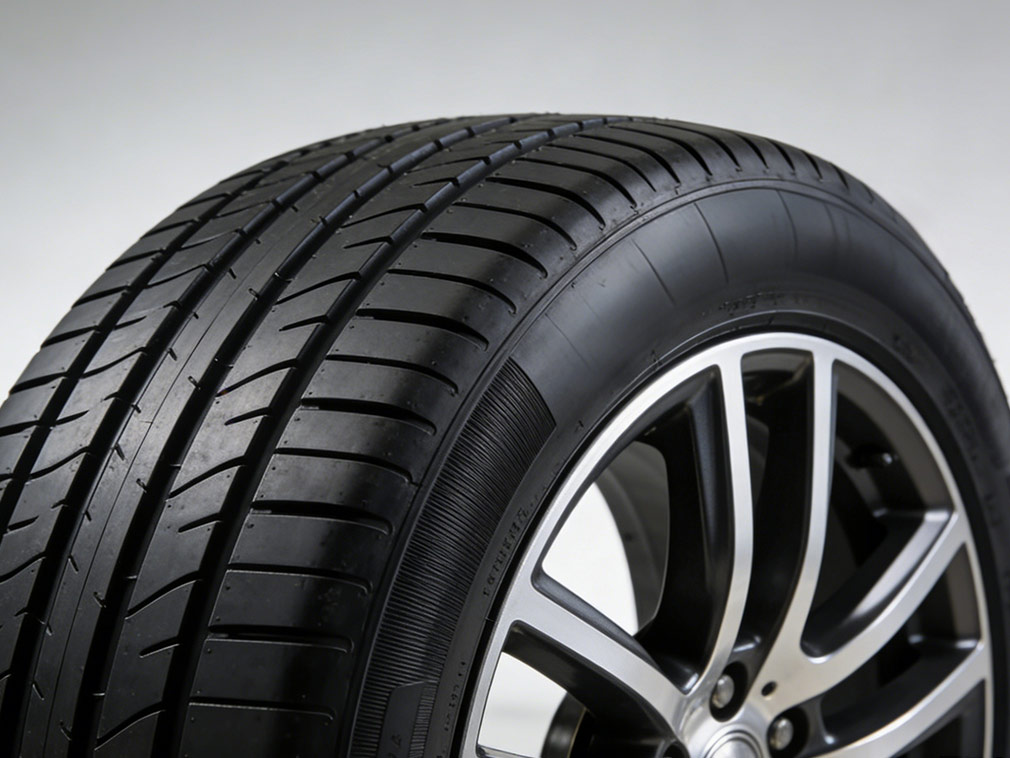
With continuous technological breakthroughs, some domestic tire companies have achieved a "leapfrog development," breaking the technological monopoly of international brands in the mid-to-high-end market.
Their low rolling resistance tires, while maintaining a price advantage, have achieved breakthroughs in wear resistance and noise reduction. Some products even surpass international brands in wear index in the same segment, making them suitable for mainstream electric vehicle models such as BYD and Tesla, further enriching the market supply structure.
From a market competition perspective, the global low rolling resistance tire market is showing a diversified development trend. International brands such as Continental, Hankook, and Michelin, with their deep technological accumulation and brand influence, have long dominated the mid-to-high-end original equipment market. Their significant increase in original equipment orders is mainly due to their deep partnerships with major global new energy vehicle manufacturers.
Meanwhile, domestic tire companies are rapidly rising. Brands such as Linglong, Chaoyang, and Zhongce, through continuous R&D investment and capacity expansion, have not only consolidated their domestic market share but have also successfully entered the global original equipment systems of luxury brands such as BMW and Audi, continuously enhancing their international competitiveness.
Industry forecasts indicate that the global low rolling resistance tire market will reach approximately US$2.33 billion in 2026 and is expected to grow to US$7.05 billion by 2036, representing a compound annual growth rate of 11.7%, indicating significant medium- to long-term growth potential.
However, the rapid development of the low rolling resistance tire market also faces certain challenges. Frequent fluctuations in raw material prices and high investment in core technology R&D continue to constrain further breakthroughs in the industry.
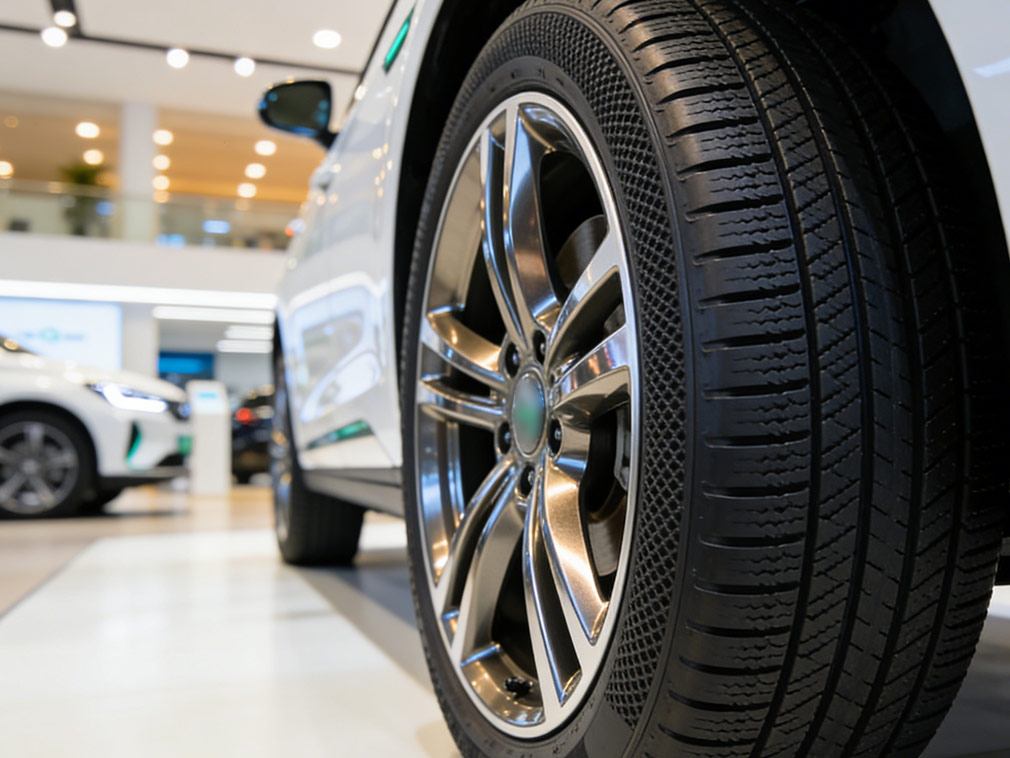
In the future, with the increasing application of new materials such as bio-based rubber and the continuous advancement of collaborative innovation in "formulation-process-structure," low rolling resistance tires will continue to evolve towards greater energy efficiency, wear resistance, and environmental friendliness.
Simultaneously, with the further increase in global electric vehicle penetration, especially the gradual release of demand in emerging markets, the low rolling resistance tire market is expected to maintain its high growth momentum, becoming not only an important direction for the transformation and upgrading of the tire industry but also providing strong support for the green and low-carbon development of the global automotive industry.
-
National Day Highway Charging Hits Record: +60.4% YoY(Oct 8)8264
-
New Energy Vehicle Exports Accelerate: 3.435 Million Units in First 8 Months, Up 120% Year-on-Year(Oct 8)8882
-
Chinese Tire Exports: Volume Up But Revenue Down Nearly RMB 900 Per Ton(Oct 8)5408
-
CNH Industrial: Smart Farming, NE and Local Tech(Sep 30)5575
-
CNHTC Drives Surging NE Heavy Truck Exports(Sep 30)8500




