
Chinese tires: "Indirect export"
Looking at US import data from the past two years, tire imports from Thailand and Vietnam have grown rapidly, becoming important sources of supply for the US tire market. The latest statistics for the first two months of 2025 show that the US imported a total of 44.51 million tires.
Of these, 11.54 million were from Thailand, a year-on-year increase of 2.4%; while imports from China during the same period were only 4.35 million, a year-on-year decrease of 3.4%, creating a stark contrast. Behind this data lies a proactive strategy adopted by Chinese tire companies in response to US trade barriers—systematically shifting orders to overseas production bases.
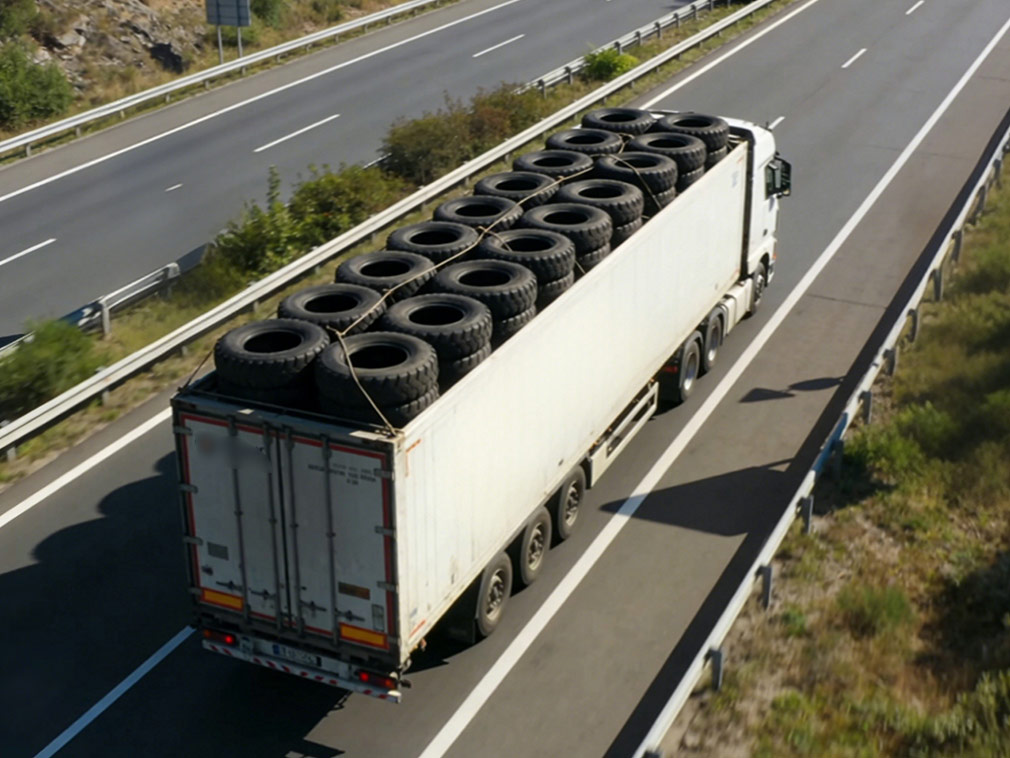
The main brands of tires imported from Thailand to the US include Bridgestone, Goodyear, Michelin, Sumitomo Rubber, and Zhongce Rubber. Notably, Chinese brands such as Linglong, Double Coin, Zhongce, and Sentury dominate in terms of quantity. This phenomenon is not accidental, but rather a microcosm of the deepening globalization of the Chinese tire industry.
Since the US initiated anti-dumping and countervailing duty investigations against Chinese tires in 2014, direct exports of Chinese tires to the US have faced high tariff pressure. In 2021, the United States further imposed anti-dumping and countervailing duties on tire products from Thailand, Vietnam, and other countries. Although the anti-dumping duty rate on Thai tires was lowered upon review in early 2024, this still significantly accelerated the process of Chinese tire companies transferring production capacity overseas.
The core purpose of Chinese tire companies transferring export orders to overseas factories on a large scale is to circumvent long-standing trade barriers. For many years, the United States has repeatedly imposed trade restrictions on Chinese tires under the pretext of protecting its domestic tire industry, including the safeguard case in 2009 and subsequent anti-dumping and countervailing duty investigations, all of which weakened the price competitiveness of Chinese tire products through high tariffs. Against this backdrop, "indirect exports" have become a realistic choice for Chinese companies.
Thailand and Vietnam, with their geographical advantages, manufacturing cost advantages, and relatively friendly trade policies, have become the preferred regions for overseas factory construction. In particular, the US reduction of tariffs on Thai tires in 2024 further strengthened the strategic position of these regions as springboards for exports to the US.
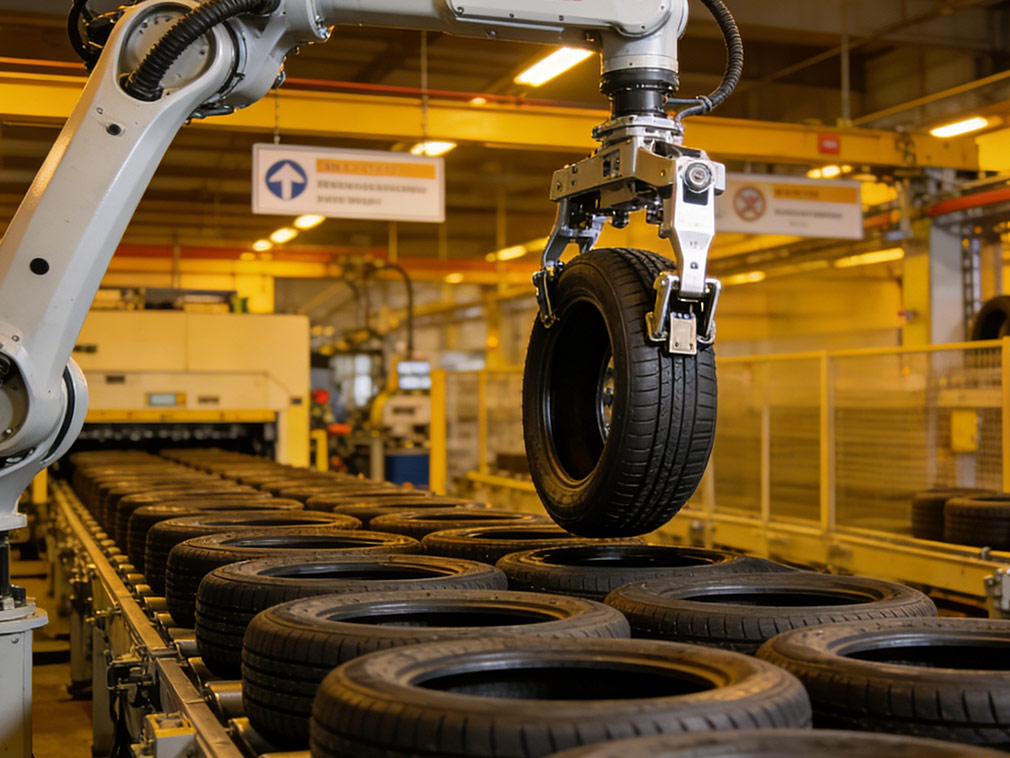
Currently, Chinese tire companies are accelerating the pace of overseas factory construction, and their global layout is gradually becoming more complete. Taking Linglong Tire as an example, its Thai factory has been in operation for ten years, with an annual production capacity exceeding 17.2 million tires.
A large portion of its products are sold to North America, becoming a significant source of profit for the company. Sailun Tire has production bases in Thailand, Vietnam, and Cambodia. The Cambodian base saw a 70.4% year-on-year revenue increase in the first half of 2025, primarily handling exports to the US. As of early 2024, 10 Chinese tire companies had overseas factories in operation, and another 11 companies had overseas projects underway, expanding their production bases from Southeast Asia to Europe and Africa.
It is foreseeable that with the continued increase in companies establishing overseas operations, more Chinese tire brands will leverage overseas factories to achieve "indirect exports" to the US market. On the one hand, companies already in operation are accelerating capacity expansion and product upgrades, focusing on high-value-added, environmentally friendly tires to better meet the demands of the US market.
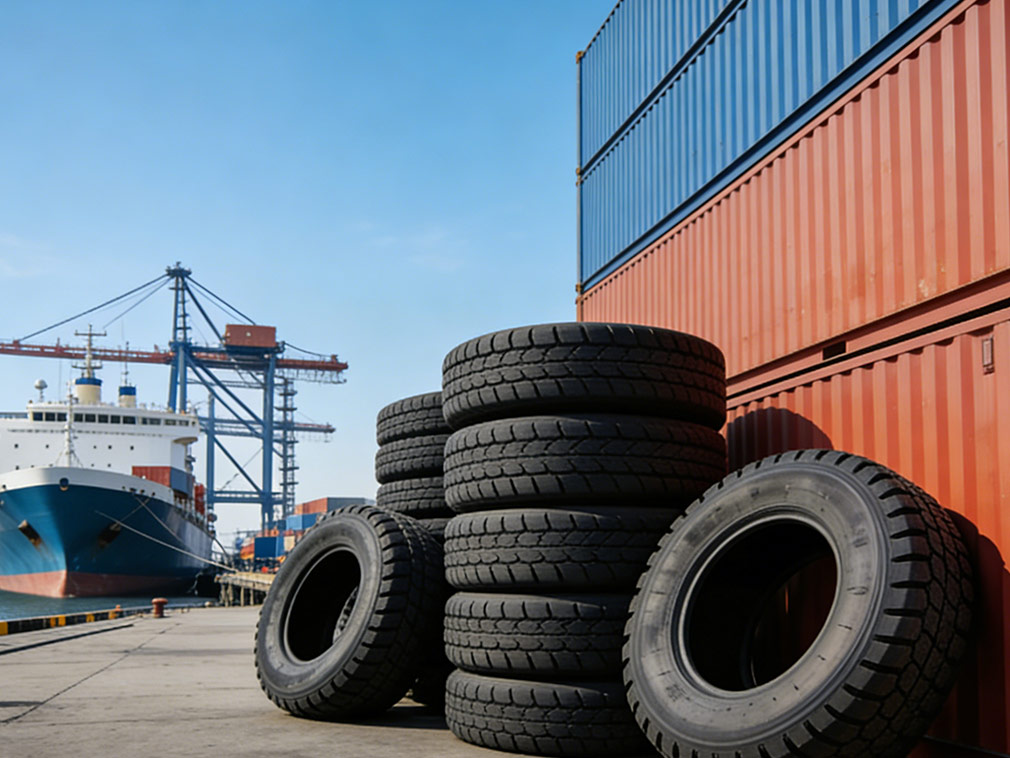
On the other hand, more companies are accelerating their globalization efforts. Besides consolidating their Southeast Asian bases, regions adjacent to the North American market, such as Mexico, are becoming new investment hotspots, leveraging regional trade agreements to further expand into the US market.
It is worth emphasizing that the overseas expansion of Chinese tire companies is not simply a relocation of production capacity, but rather a gradual global integration of procurement, production, and sales. This has successfully circumvented trade barriers and significantly enhanced the international competitiveness of their brands.
Although future US trade policies remain uncertain and may impose new restrictions on tire exports to Southeast Asia, Chinese tire companies, relying on their diversified global production capacity, already possess strong resilience against risks.




