
Tire Industry's Low-Carbon Shift
Amid the global wave of low-carbon transformation, the tire industry is undergoing profound changes, from raw materials and manufacturing to distribution systems. Sustainable development has become an industry consensus, with leading companies establishing it as a core strategy.
Driven by dual-carbon goals, green manufacturing policies, and market demand, the industry is steadily moving towards a zero-carbon, circular development goal by focusing on material innovation, process upgrades, energy transition, and circular models.
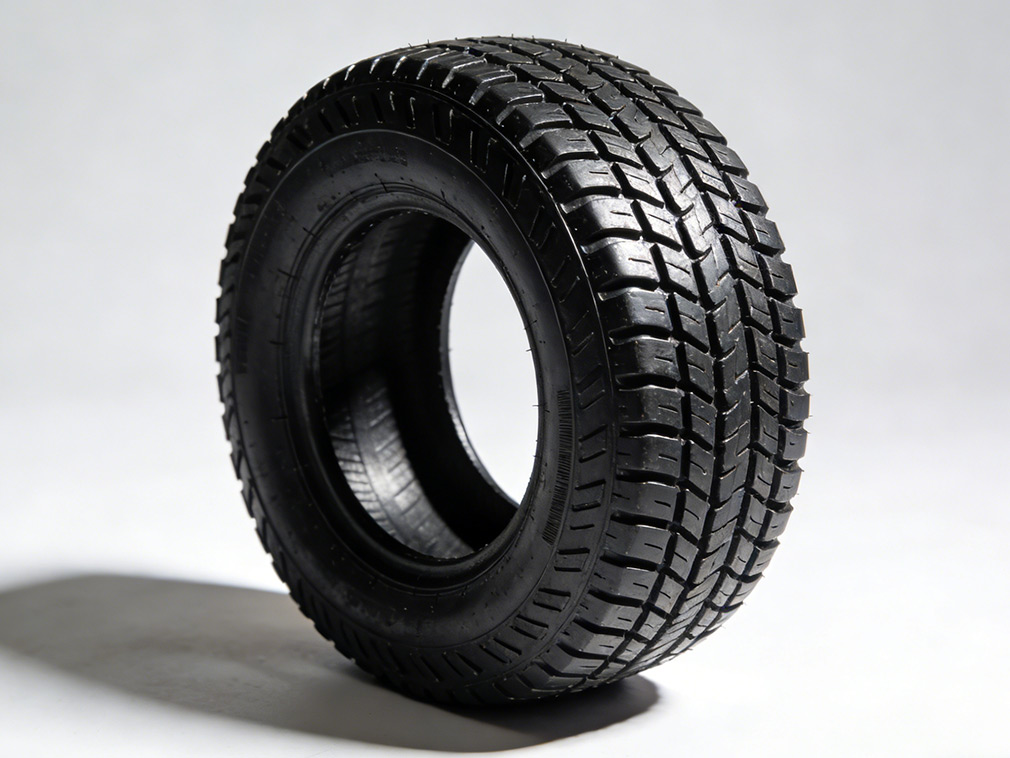
The raw materials segment is a key breakthrough point for the tire industry's low-carbon transformation. Currently, the industry is accelerating its shift away from dependence on petroleum-based resources, moving towards bio-based, recycled, and circular material systems.
Many international tire companies have launched tires with a high proportion of sustainable materials, with some products exceeding 70% sustainable materials, meeting mass production standards in key performance areas such as rolling resistance, wet grip, and abrasion resistance.
Domestic companies are also making breakthroughs simultaneously, launching tire products with 79% sustainable material content, developing bio-based rubber and additives using agricultural waste such as straw and corn cobs, reducing carbon emissions and particulate pollution at the source.
Environmentally friendly materials such as rice husk ash, recycled carbon black, and bio-based resins are gradually entering industrial applications. Some recycled materials can reduce the carbon footprint of corresponding processes by 35% to 50%, providing technical support for large-scale substitution.
The green transformation of the production process is accelerating simultaneously. The industry is generally promoting energy-saving production line upgrades, waste heat recovery, and intelligent energy efficiency management to continuously improve resource utilization efficiency.
Many leading companies have completed the energy structure transformation of their core factories, adopting clean energy sources such as biomass, photovoltaics, and wind power to replace traditional fossil fuels. Some factories have achieved zero carbon emissions throughout the entire production process.
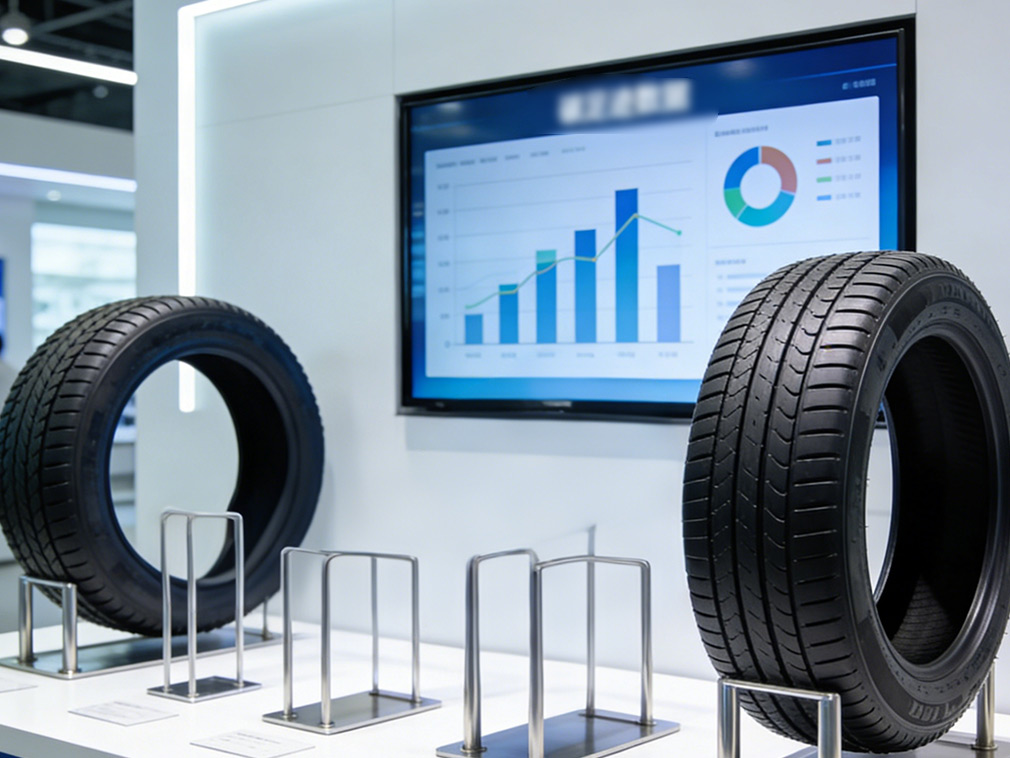
At the same time, the industry is accelerating the construction of green factories and low-carbon certification, incorporating unit product energy consumption, carbon emission intensity, and waste resource utilization rate into rigid assessments.
This is driving the transformation of the manufacturing process from end-of-pipe treatment to clean production throughout the entire process, providing support for achieving the interim target of reducing unit product energy consumption and carbon emission intensity by 8% and 10% respectively by 2025 compared to 2020.
Low-carbon collaboration between the supply chain and product end continues to deepen. With the implementation of domestic and international tire environmental labels and carbon footprint accounting rules, low rolling resistance, low wear, and long lifespan green tires are becoming the market mainstream. In particular, the demand for high-performance, low rolling resistance tires suitable for new energy vehicles is growing rapidly.
Companies are optimizing formulas and structural designs to reduce vehicle energy consumption while ensuring safety performance, indirectly contributing to emission reduction in the transportation sector. Meanwhile, the increasing coverage of international sustainable certifications such as ISCC PLUS, EPD, and CDP is effectively promoting supply chain transparency and green development, helping companies build compliant competitiveness in the global OEM and trade systems.
Recycling systems and innovative retail models are building a closed-loop support for zero-carbon goals. Breakthroughs in key technologies such as waste tire pyrolysis, recycled rubber, and carbon black recycling are driving the shift from low-value utilization to high-proportion recycling and remanufacturing of waste tires, with some recycled materials already returning to tire production lines.
At the retail end, digital channels, standardized services, and trade-in programs are effectively reducing resource waste in the distribution process and improving the level of product lifecycle management. The industry is accelerating its shift from a linear "production-use-disposal" model to a closed-loop circular system of "materials-manufacturing-use-recycling-regeneration."
Looking to the future, technological innovation remains the core driving force for the tire industry's low-carbon transformation. Large-scale production of bio-based materials, high-value utilization of recycled materials, zero-carbon manufacturing processes, and low-carbon throughout the entire lifecycle will be the long-term main themes of the industry's development.
-
National Day Highway Charging Hits Record: +60.4% YoY(Oct 8)8264
-
New Energy Vehicle Exports Accelerate: 3.435 Million Units in First 8 Months, Up 120% Year-on-Year(Oct 8)8882
-
Chinese Tire Exports: Volume Up But Revenue Down Nearly RMB 900 Per Ton(Oct 8)5408
-
CNH Industrial: Smart Farming, NE and Local Tech(Sep 30)5575
-
CNHTC Drives Surging NE Heavy Truck Exports(Sep 30)8500




