
Loader Tire Market: Trends, Growth Drivers
As a core wear component of construction machinery, loader tires are highly correlated with infrastructure investment, mining cycles, the scale of existing equipment, and tire technology innovation. Currently, this market is at a critical stage of high-quality development transformation, exhibiting characteristics of steady growth, structural optimization, and intensified competition.
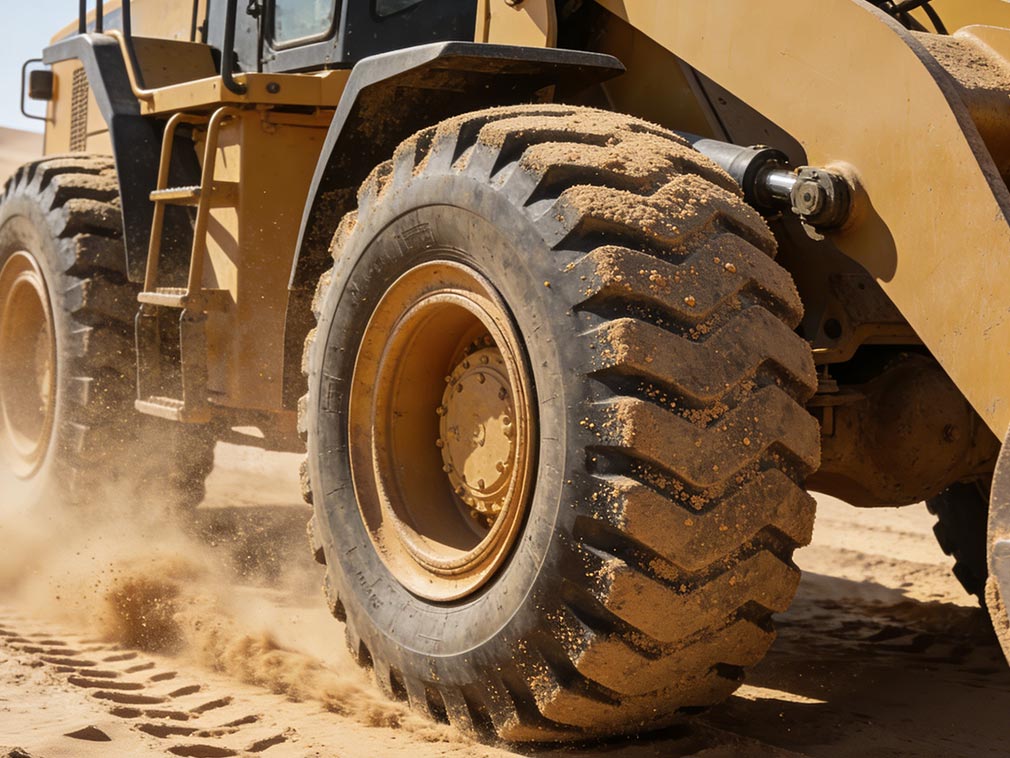
Market Status: Steady Expansion in Scale, Continuous Optimization in Structure and Regions
In 2025, the domestic loader tire market reached 9.48 billion yuan, with sales increasing to 11.72 million units, maintaining an average annual compound growth rate of around 5%, significantly higher than the global average.
Replacement Market Becomes the Main Driver of Growth: Benefiting from the continuous expansion of the domestic loader fleet and increased operational intensity, the replacement market share rose to 73%, further releasing the aftermarket dividend.
Product Structure Accelerated Upgrading: The radialization rate has increased to 89.6%. All-steel radial tires, with their advantages of high wear resistance and low rolling resistance, have achieved a penetration rate of nearly 100% in heavy-duty scenarios such as mines and ports. Specialized tires for electric loaders have achieved leapfrog development, with sales reaching 420,000 units in 2025, a significant increase compared to 2021.
The regional landscape is characterized by "stable domestic growth and expansion overseas": East and South China together account for 51.7% of domestic sales; the central and western regions have benefited from infrastructure investment, with an average annual growth rate of 6.9% over the past five years. Meanwhile, overseas market expansion has yielded significant results, with strong export growth.
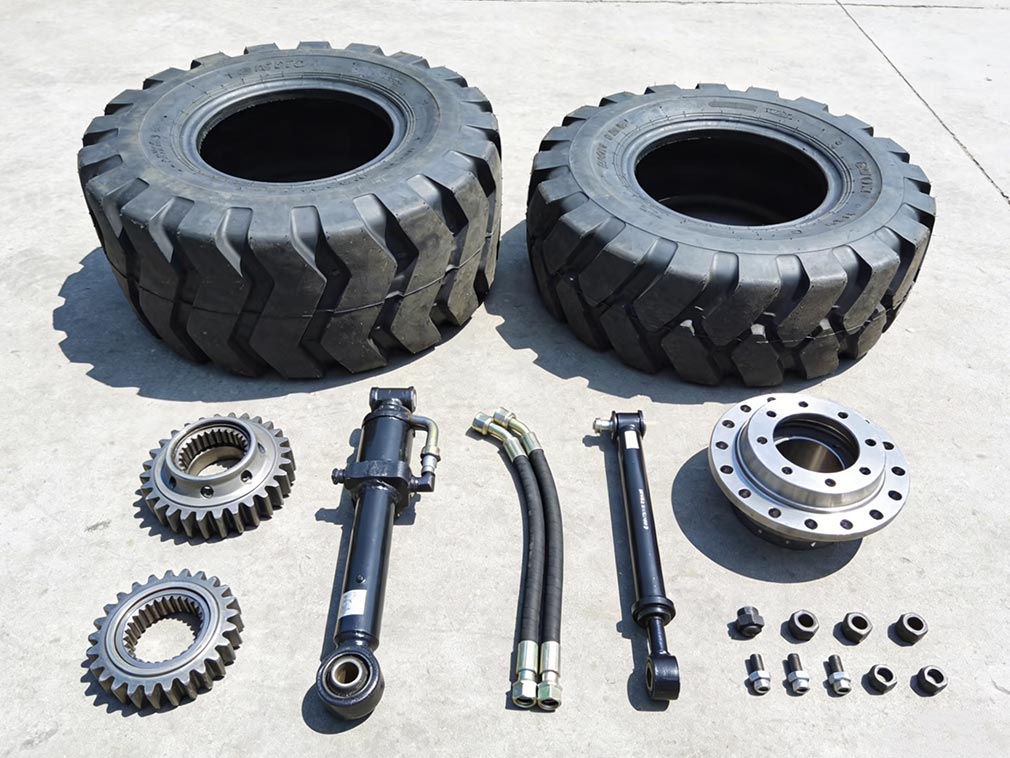
Driving Factors: A Triple Resonance of Policy, Demand, and Technology
Policy Guidance for Green Transition: The "dual-carbon" strategy has driven the implementation of mandatory standards such as the "Limits for Rolling Resistance of Construction Machinery Tires," making green formulations and environmentally friendly processes entry requirements for enterprises.
The "Action Plan for Promoting Large-Scale Equipment Renewal" has activated the replacement potential of over 410,000 old loaders, which is expected to drive an additional tire demand of approximately 6.2 million units over the next three years.
Sustained Expansion of Downstream Demand: Domestic investment in transportation and energy sectors during the 14th Five-Year Plan period exceeded 15 trillion yuan, and global mining capital expenditure increased simultaneously. The mining of new energy metals such as copper and lithium has grown, directly driving demand for loaders and the frequency of tire replacements.
Technology-Driven Product Upgrades: The application of high-wear-resistant materials and intelligent sensing technologies is accelerating, with some leading companies already implementing embedded tire pressure monitoring and AI-based predictive tire replacement services. Sailun Group's "liquid gold" technology breakthrough has enabled the localization of giant radial tires, breaking the international monopoly.
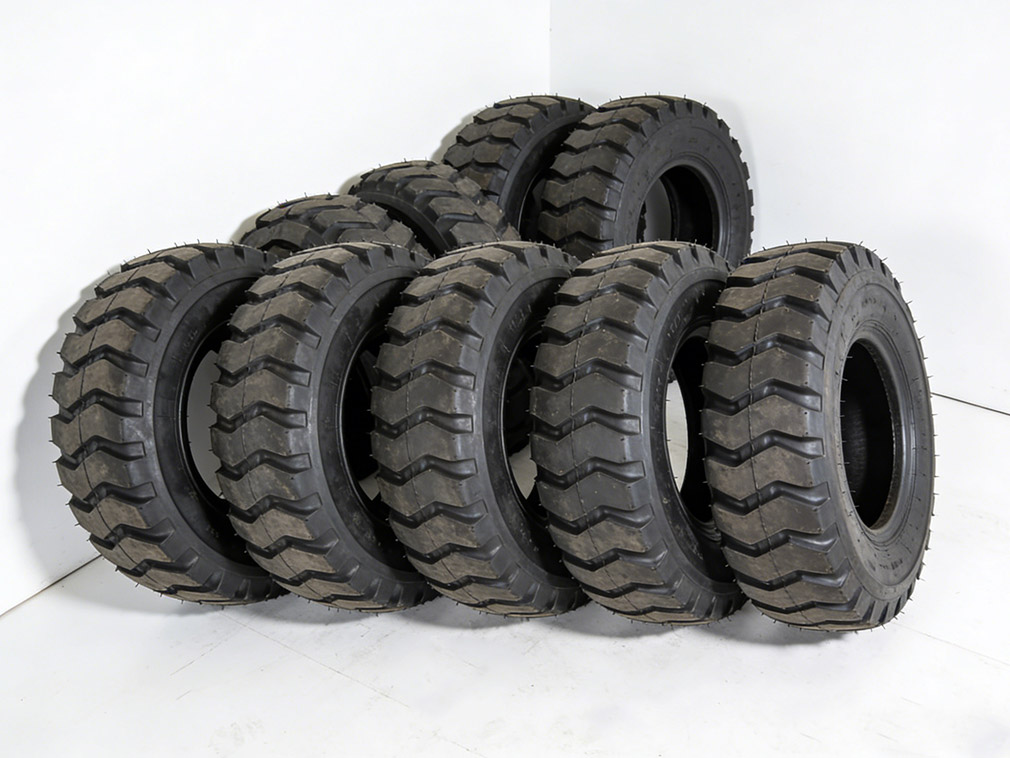
Competitive Landscape: Accelerated Concentration Among Leading Companies, Deepening Competition Between Chinese and Foreign Players
Market concentration continues to increase, with the CR5 (top 5 companies' market share) rising from 56.2% to 63.8%. Domestic leaders such as Zhongce Rubber, Linglong Tire, and Triangle Tire maintain their leading positions, collectively holding a dominant share.
Strong Rise of Domestic Brands: Leveraging localized cost advantages, channel expansion, and continuous technological breakthroughs, domestic brands are gradually penetrating the mid-to-high-end market, squeezing out foreign market share. By 2025, the overall share of foreign brands will drop to 18.5%, still holding an advantage only in certain high-end scenarios.
Clear Competition Stratification: Leading companies focus on customized products and digital services to enhance their overall competitiveness; SMEs rely on cost-effectiveness to target the low-end market, while those lacking innovation capabilities are gradually marginalized.
Electrification is creating new growth drivers: The penetration rate of electric loaders is rapidly increasing, reaching 25.43% in January 2026, with continued strong demand for low rolling resistance and high load-bearing specialized tires.
Global expansion offers vast opportunities: Countries along the Belt and Road Initiative have enormous export potential, with exports reaching 2.68 million tires in 2025, representing an average annual growth rate of 17.2%, becoming a new growth engine for enterprises.
Challenges and opportunities coexist: Fluctuations in raw material prices, rising environmental compliance costs, and increased international trade barriers are putting pressure on cost control. Key areas such as high-end materials and smart sensors still rely on imports.
Companies with green compliance capabilities, customized product advantages, and digital service systems are more likely to gain the upper hand in the new round of competition, driving the loader tire market towards high-quality and sustainable development.
-
National Day Highway Charging Hits Record: +60.4% YoY(Oct 8)8264
-
New Energy Vehicle Exports Accelerate: 3.435 Million Units in First 8 Months, Up 120% Year-on-Year(Oct 8)8882
-
Chinese Tire Exports: Volume Up But Revenue Down Nearly RMB 900 Per Ton(Oct 8)5408
-
CNH Industrial: Smart Farming, NE and Local Tech(Sep 30)5575
-
CNHTC Drives Surging NE Heavy Truck Exports(Sep 30)8500




