
China Truck Tires for Africa Market
Recent industry data shows that the combined market share of traditional international brands, including Michelin, Bridgestone, and Goodyear, in China's all-steel radial truck tire market (covering both original equipment and replacement markets) has fallen below 10%. The market landscape has fundamentally shifted, with domestic manufacturers now dominating.
From January to April 2026, China's exports of all-steel truck tires to Africa increased by 22.51% year-on-year, making it the fastest-growing region globally. Africa's share of total exports rose to approximately 23%, effectively offsetting the decline in demand in the European and North American markets. In these two markets, anti-dumping measures and tariff barriers have tightened market competition.
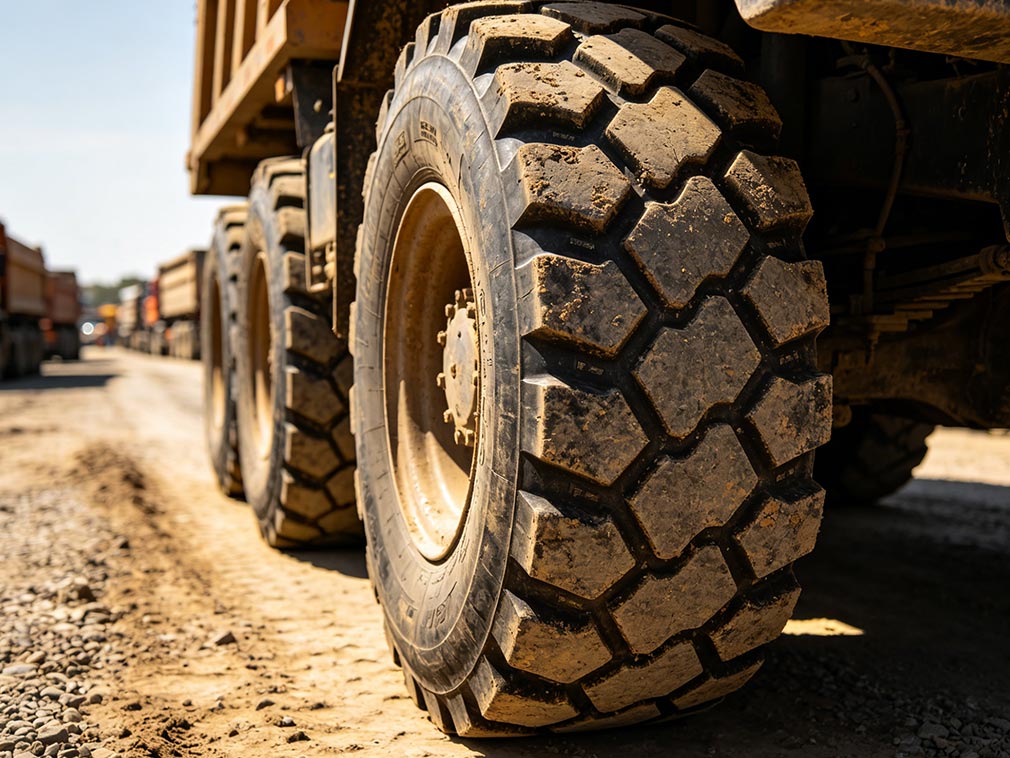
Demand is primarily concentrated in two distinct sub-regions. In East Africa—Tanzania, Kenya, and Uganda—a series of infrastructure projects are driving a surge in demand for dump trucks and semi-trailers. Tanzania alone saw export growth exceeding 70%. In Southern Africa, including South Africa, Zambia, and Zimbabwe, the concentration of large-scale open-pit mining operations has led to strong demand for heavy-duty mining tires. The South African market saw a year-on-year growth of 78.83%.
Africa's domestic tire manufacturing capacity remains limited in both scale and technology. While international brand tires offer superior performance, their prices are often beyond the reach of local fleet users. In contrast, Chinese all-steel tires combine load-bearing capacity, road durability, and cost-effectiveness, better meeting local operational needs.
With the Belt and Road Initiative's expanding investments in highway, port, and mining infrastructure, the number of heavy-duty trucks and dump trucks is steadily increasing, and the replacement tire market is growing at a predictably sustained pace.
Operating conditions in East Africa are particularly harsh. Most vehicles travel on gravel roads or rugged rural roads, and standard highway tires frequently suffer sidewall damage or blowouts when carrying heavy loads such as cement, stones, or agricultural products. Fleet owners report frequently needing to change tires multiple times on the roadside during long-haul transport, which not only increases maintenance costs significantly but also reduces vehicle downtime.
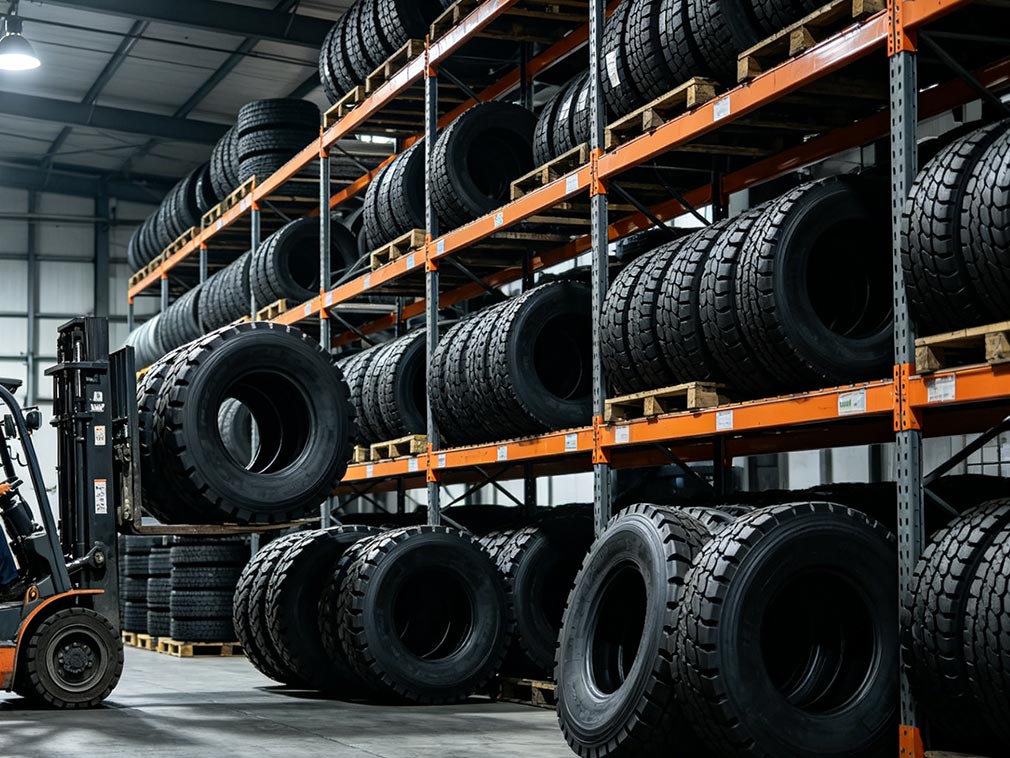
Experience with the ports of Mombasa and Dar es Salaam provides clear field data: wear-resistant tires with a tread depth of 20 mm or more have proven to reduce tire-related maintenance costs for local truck fleets by more than 30%. This represents a tangible increase in profits. Therefore, African business partners consistently choose all-steel heavy-duty tires over cheaper retreaded or recycled rubber tires. Frequent tire failures increase total operating costs, a fact that fleet buyers are well aware of.
West Africa introduced new policies this year restricting the import of used tires. Many countries in the region have historically been major destinations for used tires, suppressing demand for new truck tires. With these restrictions in effect, demand for new heavy-duty tires is rising sharply.
Our internal data shows that orders for all-steel truck tires in East Africa increased by 28% in the first half of 2026. Meanwhile, local repair shops often lack specialized tire repair equipment. Therefore, importers prioritize tire durability and low failure rates when selecting Chinese suppliers. They need tires that can operate reliably for a long service life to minimize the need for roadside repairs.
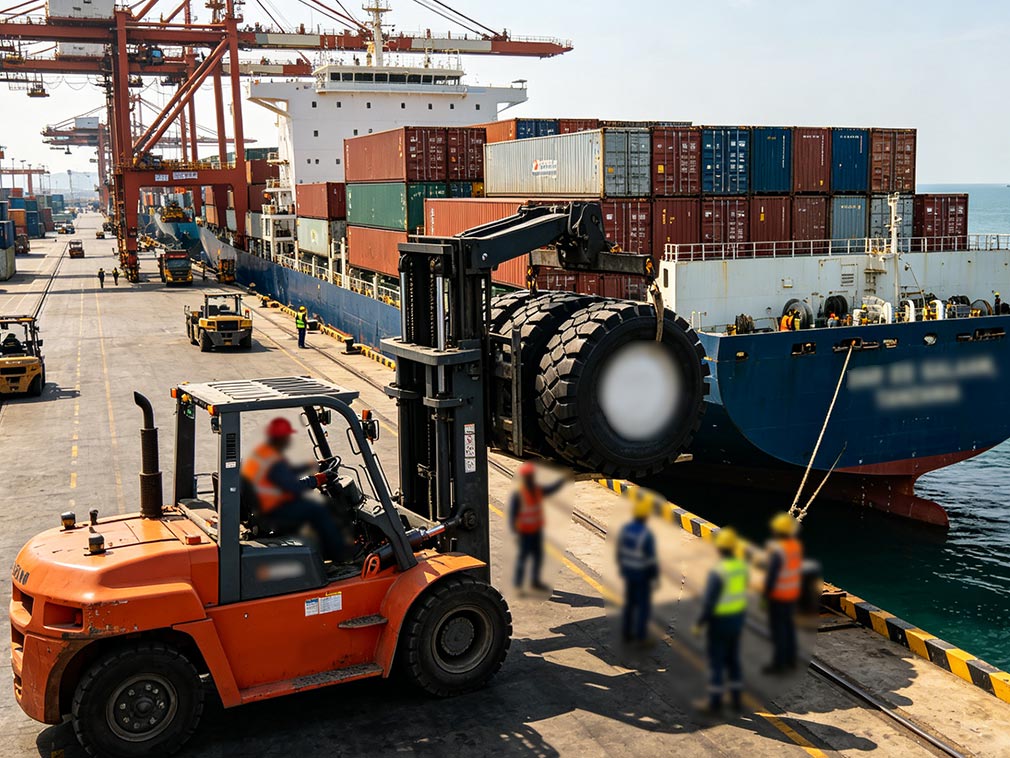
In the Chinese domestic market, international brands have no viable path to recovery in the all-steel tire sector. Continuing to operate in the truck and bus tire sector means continued losses and production line closures, and some global manufacturers have already scaled back or withdrawn from the Chinese market. This trend is expected to continue. For all truck tire shipments entering South Africa, each shipment must be accompanied by a complete South African Standards Bureau (SABS) test report.
Goods without valid certification will be detained at the port. Based on extensive experience with our African clients, we provide a detailed list of customs documents, including packing lists, commercial invoices, certificates of origin, and test reports, designed to help importers avoid customs clearance delays and additional port storage fees.
China's all-steel truck tire exports have now formed a diversified, multi-pillar structure. Emerging markets are the main driver of sales, developed markets play a supplementary role, and third-country transshipment serves as a flexible adjustment channel. We will continue to closely align with regional demand characteristics, fully leveraging the mature advantages of domestically produced tires—wear resistance, high load-bearing capacity, and cost-effectiveness—for applications in long-haul freight, port container operations, and light transportation.
-
National Day Highway Charging Hits Record: +60.4% YoY(Oct 8)8273
-
New Energy Vehicle Exports Accelerate: 3.435 Million Units in First 8 Months, Up 120% Year-on-Year(Oct 8)8893
-
Chinese Tire Exports: Volume Up But Revenue Down Nearly RMB 900 Per Ton(Oct 8)5414
-
CNH Industrial: Smart Farming, NE and Local Tech(Sep 30)5592
-
CNHTC Drives Surging NE Heavy Truck Exports(Sep 30)8511




