
Tire Giants Shift To Asset Light Strategy
On June 3rd, Continental AG officially announced the sale of its French BestDrive business to European investment firm ASC. The sale included over 130 stores, two tire retreading facilities, and a complete administrative and operational system for tire and vehicle repair. Approximately 1,200 employees were affected. Continental has been streamlining its operations in recent years, and this sale represents another step in this process.
This sale is not an isolated case in the industry. Several of the world's major tire giants are currently following the same path: gradually separating tire manufacturing from tire sales and maintenance services. Tire manufacturing is technologically advanced and highly profitable, a typical technology-intensive business. Selling tires and providing maintenance services have much lower barriers to entry, but are highly competitive, have lower profit margins, and involve numerous tedious management details.
The giants are increasingly realizing that these are two completely different businesses. Rather than trying to manage both, they are better off entrusting the service aspect to those with greater expertise, while focusing on deepening their competitive advantage in manufacturing.
Goodyear is a prime example. At the end of 2025, it sold 42 of its truck maintenance centers to Southern Tire Company. Prior to that, it had also disposed of Dunlop's brand rights, chemical business, and off-road tire business, recouping nearly $2.3 billion, all of which was reinvested in tire R&D and production. Continental's move follows a similar logic.
This shift is essentially a change in business model—previously, it operated directly; now, it entrusts its network to a "professional landlord," letting an agency specializing in restructuring and revitalization manage it. Continental continues to profit from brand licensing and product supply, without bearing the risks of daily operations. This shift from "owning and doing it yourself" to "licensing others to do it," once successful, will likely become the standard for downstream channel integration in the industry.
The acquiring party, ASC, specializes in this in Europe. It targets opportunities in corporate spin-offs, business restructuring, and takeovers, possessing deep roots in regional industries and the automotive aftermarket. It excels at acquiring traditional businesses and revitalizing them through integration and meticulous management.
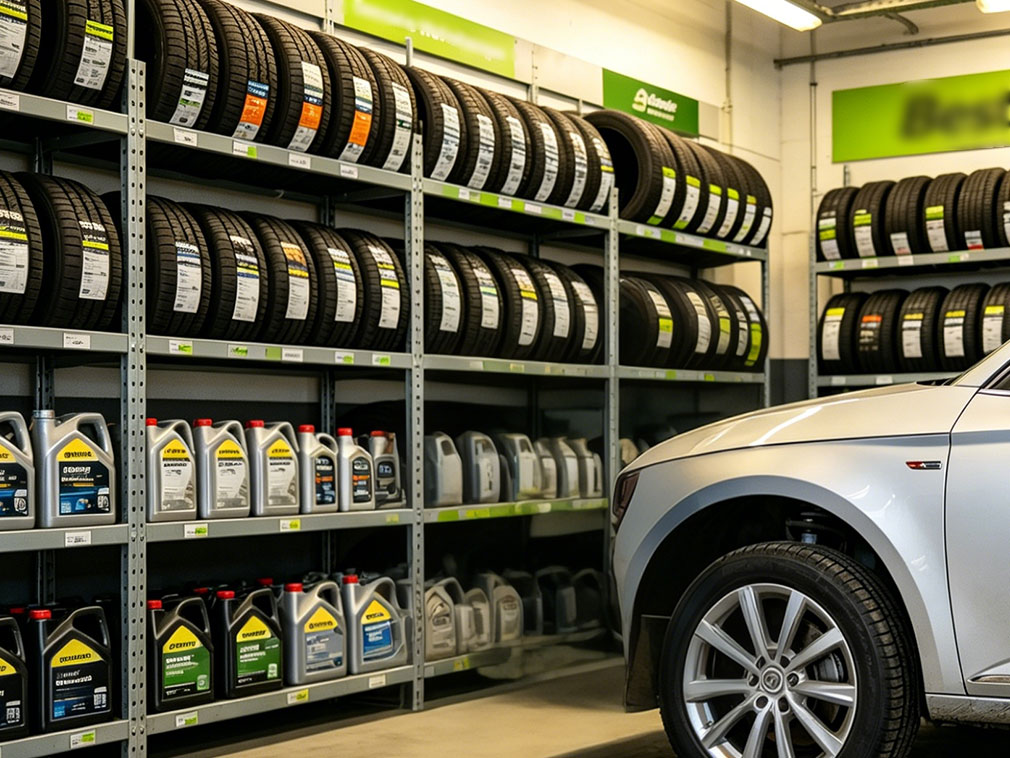
Acquiring BestDrive's French business is equivalent to immediately gaining control of an existing tire service network—stores, refurbishment facilities, and a mature team—allowing for immediate entry into the French and surrounding automotive maintenance market. It offers stable cash flow and room for further growth.
For Continental itself, this sale was not a spur-of-the-moment decision, but rather a continuation of a series of restructuring actions initiated in recent years. Public data speaks for itself: Continental comprises three main business segments: automotive, tires, and ContiTech. In 2024, the tire business generated approximately €13.9 billion in revenue with a profit margin of 13.7%, making it the group's cash cow; the automotive business, however, had a profit margin of only 2.3%, consistently dragging down the overall performance.
Since spinning off its powertrain business in 2018 and later becoming an independent subsidiary, Continental has been steadily advancing its plans to separate its automotive subsidiaries and sell ContiTech, clearly aiming to gradually shift its focus back to its core tire business.
Looking at the overall aftermarket environment, the direct-operation, asset-heavy model is becoming increasingly difficult. High rent and labor costs are putting significant pressure on profitability. BestDrive previously operated directly in France, tying up substantial capital in stores and refurbishment plants, making it impossible to reduce fixed costs.
This sale and conversion to franchising is a typical example of an asset-light transformation, allowing for lower operating costs and faster asset turnover. In the domestic aftermarket, companies like Kangzhong Auto Parts and Chexiangjia are also following similar paths.
For the French market, BestDrive's services will remain largely unchanged in the short term; stores will continue to operate, and employee positions will remain relatively stable. Looking at the bigger picture, ASC's entry with professional operations might bring new features to the stores, such as more refined management, more services, and increased competitiveness. Continental itself can further streamline its asset structure, reduce operating leverage, and concentrate its resources in the increasingly competitive global tire market to maintain its core position.
The current industry is fiercely competitive, with fluctuating raw material prices, increasing trade barriers, and constant pressure from new energy vehicles. Cost reduction, efficiency improvement, and focusing resources on core businesses have become unavoidable for leading players. Continental and Goodyear's sale and divestment serve as a precedent, and it's likely that more tire companies will follow suit, accelerating the adjustment of their business structures and pushing the industry towards greater specialization and efficiency.




