
Engineering Tires: High-Growth Sector in Tire
Currently, competition in China's domestic tire market is intensifying across various sub-sectors. The passenger car tire and light truck tire sectors, with relatively low barriers to entry, have numerous participants, leading to widespread product homogenization and price competition. Overall profit margins are shrinking, and the market is gradually entering a phase of zero-sum game.
Against this backdrop, engineering tires, leveraging their high technological barriers, substantial capital investment, and high added value, and benefiting from rigid demand and considerable growth potential, have broken free from the traditional competitive landscape and become a core sector that domestic and international tire companies have focused on and increased investment in over the past two years, with industry resources rapidly converging on this area.
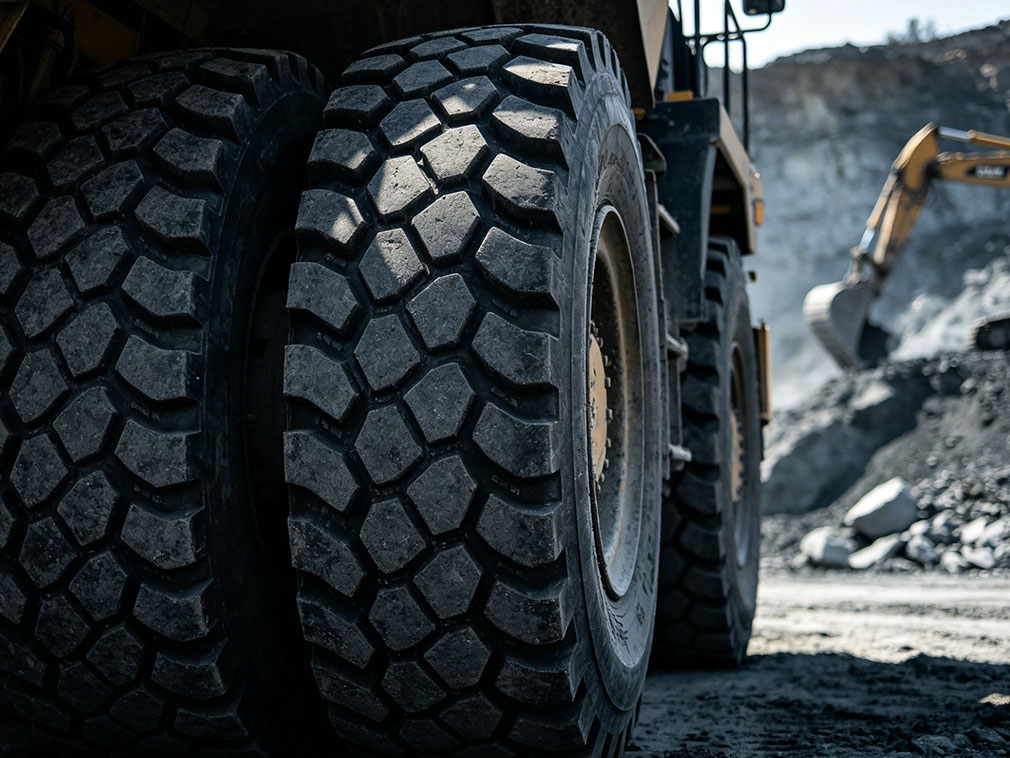
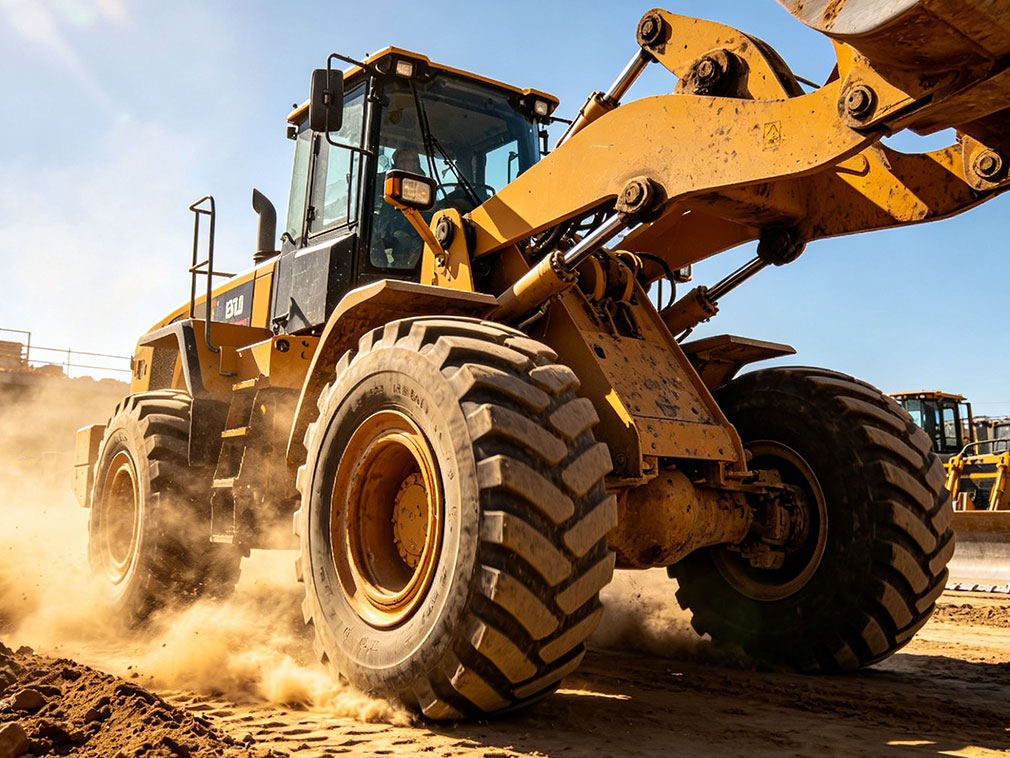
Engineering tires are primarily used in large equipment such as construction machinery, mining equipment, and port handling equipment. Their operating environments are often complex and harsh, including mines, construction sites, and remote mining areas. This demands stringent requirements on wear resistance, impact resistance, load-bearing capacity, and high-temperature resistance, resulting in significant technological differences compared to civilian tires.
This sector has high technological barriers; core formula development, structural design, and radial production processes require long-term technological accumulation and iterative testing, making it difficult for new entrants to achieve breakthroughs in the short term.
Meanwhile, production line construction, precision equipment procurement, and product testing and certification all require substantial capital support. High upfront costs and long payback periods create a significant financial barrier, effectively filtering out small and low-end production capacity and preventing homogeneous, low-price competition.
From the perspective of market size and development potential, the engineering tire industry exhibits steady growth. Industry research data shows that global engineering tire revenue reached approximately US$7.608 billion in 2025 and is projected to increase to US$7.919 billion in 2026.
The compound annual growth rate (CAGR) is expected to remain at 4.54% between 2026 and 2032, indicating ample long-term growth momentum. With the recovery of global infrastructure projects, the large-scale development of mining, and the continuous upgrading of port logistics equipment, coupled with the trend towards intelligent and large-scale engineering machinery upgrades, the incremental demand and replacement demand of downstream end-user equipment continue to be released, providing solid demand support for the engineering tire market.
In terms of product structure, high-performance all-steel radial engineering tires have become the market mainstream, currently accounting for over 90% of the market share, while bias-ply tire production capacity is gradually shrinking, and the product structure continues to optimize.
The global engineering tire market exhibits a concentrated pattern among leading companies. Michelin, Bridgestone, Goodyear, and other leading international companies hold a major global market share thanks to their technological and channel advantages.
Domestic industry concentration is also steadily increasing; in 2024, the CR5 (top 5 companies' market share) of the domestic engineering tire industry reached 52%, further strengthening the competitive advantage of leading companies.
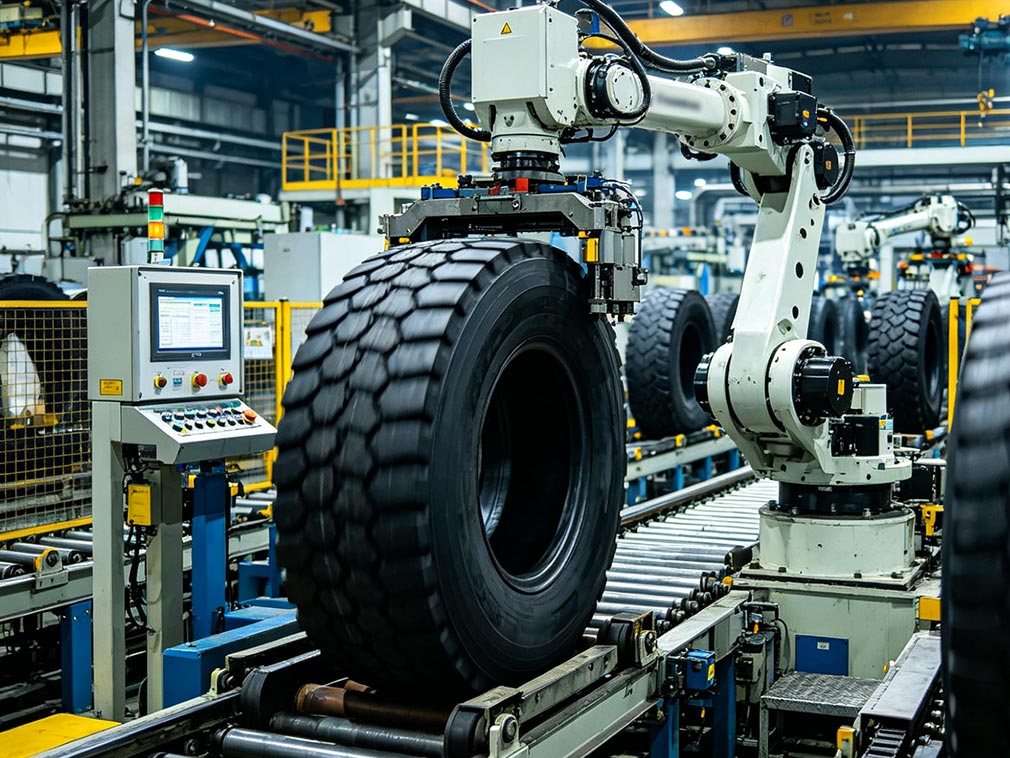
To capitalize on the sector's growth potential, leading domestic tire companies have actively adjusted their industrial layout in the past two years, increasing R&D investment and capacity expansion in engineering tires, focusing on niche markets such as high-end mining tires and tires for large-scale engineering equipment, continuously improving core technologies and product adaptability, and enhancing their supply capacity in the high-end market.
Compared to the highly competitive civilian tire market, the engineering tire sector, with its high barriers to entry, good profit margins, and steady growth, has become a crucial breakthrough for the tire industry's transformation, upgrading, and efficiency improvement.
In the future, with the continued development of downstream infrastructure, mining, and high-end equipment industries, and the continuous iteration of domestic engineering tire technology, the localization process of high-end engineering tires is expected to accelerate further. This sector will maintain high investment value and remain a key focus for tire companies to break through industry bottlenecks and achieve high-quality development.
-
National Day Highway Charging Hits Record: +60.4% YoY(Oct 8)8256
-
New Energy Vehicle Exports Accelerate: 3.435 Million Units in First 8 Months, Up 120% Year-on-Year(Oct 8)8878
-
Chinese Tire Exports: Volume Up But Revenue Down Nearly RMB 900 Per Ton(Oct 8)5406
-
CNH Industrial: Smart Farming, NE and Local Tech(Sep 30)5569
-
CNHTC Drives Surging NE Heavy Truck Exports(Sep 30)8496




