
High oil prices drive electric vehicle sales
Driven by frequent fluctuations in international oil prices, persistently high domestic refined oil prices, and the rapid improvement of charging infrastructure, the pace of the automotive market's transition from gasoline-powered vehicles to electric vehicles has accelerated significantly. In the past, new energy vehicles were largely seen as an option driven by industry trends or policy guidance.
However, with increasingly apparent advantages in operating costs and significantly improved convenience of refueling, new energy vehicles are becoming a practical choice for ordinary families for car purchases and daily commutes. Their full-cycle cost-effectiveness is gaining increasing market recognition, and consumer acceptance continues to rise.

High oil prices are a significant driving force behind consumers' shift to new energy vehicles. Since 2026, influenced by changes in the international energy landscape, domestic refined oil prices have generally remained at a high level, with the average prices of 92-octane and 95-octane gasoline remaining consistently high, directly increasing the daily operating costs of gasoline-powered vehicles.
Based on current mainstream family car usage, the fuel consumption of a typical gasoline-powered vehicle is generally around 7 to 8 liters per 100 kilometers. Combined with recent oil price calculations, the cost per kilometer is approximately 0.5 to 0.7 yuan. Based on a typical usage intensity of 15,000 kilometers per year, the annual fuel cost for a conventional gasoline-powered car generally falls between 7,000 and 10,000 yuan, resulting in a significant economic burden over the long term.
In contrast, the energy cost advantage of new energy vehicles is very clear and completely unaffected by fluctuations in fuel prices. Currently, mainstream pure electric vehicles for home use consume approximately 15 kWh per 100 kilometers, and many residential areas enjoy off-peak electricity rates as low as 0.3 yuan per kWh.
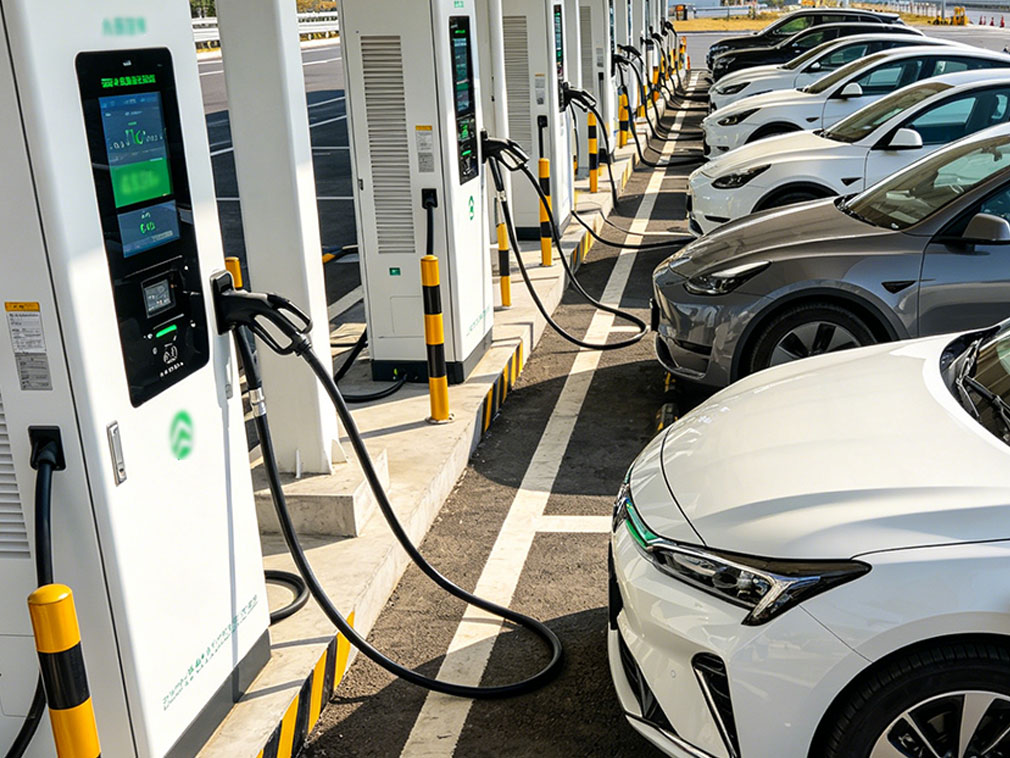
With home charging facilities, the electricity cost per 100 kilometers is only about 4.5 yuan, and the annual electricity cost can be kept below 700 yuan. Even relying entirely on public fast charging, the cost per kilometer, including service fees, is only 0.2 to 0.25 yuan, with annual energy costs ranging from approximately 2,000 to 5,000 yuan, still significantly lower than the fuel costs of comparable gasoline-powered vehicles.
Long-term calculations show that new energy vehicle owners can save several thousand yuan annually on energy consumption alone, accumulating over 40,000 yuan in fuel savings over five years, making it extremely economically attractive. Beyond core energy expenditures, the difference in maintenance and repair costs further widens the overall lifecycle cost for the two types of vehicles.
The powertrain structure of gasoline vehicles is relatively complex, involving components such as the engine, transmission, fuel system, and spark plugs. Regular oil and filter changes, as well as fuel system cleaning, are required, with annual maintenance costs typically reaching 1500 to 2000 yuan. In contrast, the powertrain systems of new energy vehicles are highly integrated, eliminating the need for the complex maintenance procedures of gasoline vehicles.
Routine checks are only required on the battery, motor, and electronic control system. The replacement cycle for consumables such as tires and braking systems is relatively longer, with annual maintenance costs generally around 700 yuan. Over the long term, this can result in considerable savings for car owners.
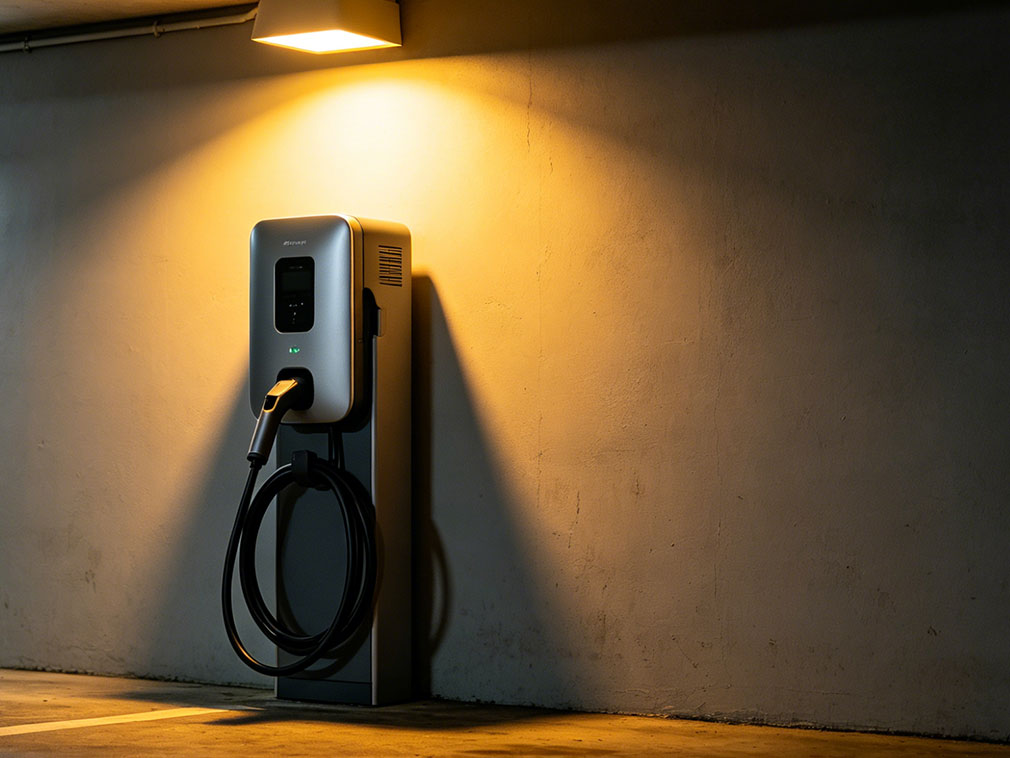
The systemic upgrade in charging convenience effectively lowers the barrier to entry for new energy vehicles, translating their low energy consumption advantage into tangible convenience in daily use. In recent years, China's charging infrastructure has continued to expand on a large scale.
The coverage of public charging piles in urban core business districts, residential areas, office buildings, and along rural roads has significantly increased, with the proportion of fast charging piles continuously growing, significantly shortening the time required for a single charging session. Meanwhile, the installation process for home charging stations has been gradually simplified, adapting to various living scenarios such as ordinary residential communities and self-built houses, allowing most families to easily and conveniently charge their vehicles at home.
Currently, daily urban commutes and short trips can be recharged at any time, while long-distance travel can be reliably covered by the increasingly dense high-speed charging network. The pain points of inconvenient charging and lack of confidence in range in the early stages have been significantly improved.
Overall, the cost pressure brought by high oil prices and the improved user experience brought by convenient charging are jointly constituting the dual driving force for the accelerated popularization of new energy vehicles.
-
National Day Highway Charging Hits Record: +60.4% YoY(Oct 8)8264
-
New Energy Vehicle Exports Accelerate: 3.435 Million Units in First 8 Months, Up 120% Year-on-Year(Oct 8)8882
-
Chinese Tire Exports: Volume Up But Revenue Down Nearly RMB 900 Per Ton(Oct 8)5408
-
CNH Industrial: Smart Farming, NE and Local Tech(Sep 30)5577
-
CNHTC Drives Surging NE Heavy Truck Exports(Sep 30)8500




