Handling Challenges and in New Energy Vehicles
New energy vehicles generally have a larger curb weight, and the ability to release peak torque instantly upon starting can easily lead to tire deformation and a feeling of "floating" in handling, especially during high-speed cornering or emergency braking, often affecting driver confidence.
Compared to comparable gasoline vehicles, pure electric vehicles, due to their large-capacity batteries, generally weigh 300-800 kg more, with some mid-size new energy SUVs exceeding 2.7 tons, significantly surpassing the weight range of traditional gasoline vehicles. This fundamentally shapes the unique driving characteristics of new energy vehicles.
From a power output perspective, gasoline vehicles transmit power step-by-step through the engine and transmission, resulting in a gradual and controllable power delivery with minimal jerkiness. New energy vehicles, on the other hand, are directly driven by an electric motor, delivering peak torque instantly upon starting with virtually no lag in power response.
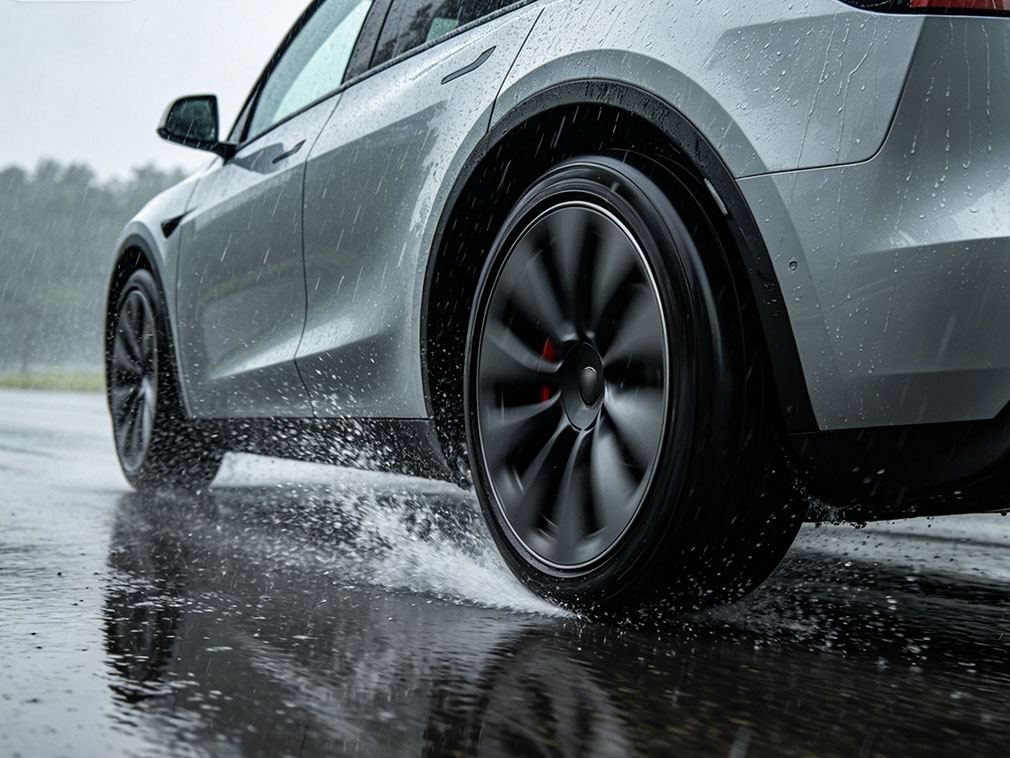
In everyday city driving at low speeds, this characteristic provides a light and smooth driving experience; however, in scenarios such as rapid acceleration, high-speed cruising, or fast cornering, the instantaneous high torque may momentarily exceed the tire's grip limit, causing localized tire deformation and slight slippage, resulting in play in the front of the car, which in turn leads to a floaty steering feel and reduced steering precision.
The increased inertia due to the increased vehicle weight further amplifies safety hazards. Industry test data shows that for every 10% increase in curb weight, braking distance may increase by 5% to 8%. At 100 km/h, the braking distance of heavy-duty new energy vehicles is 7 to 12 meters longer than that of comparable gasoline vehicles; these few meters are often crucial for avoiding accidents.
At the same time, the higher vehicle weight puts the suspension, steering, and braking systems under high load for extended periods, increasing body roll and reducing chassis stability during high-speed cornering, making it more difficult to control the vehicle's posture during emergency braking; on wet or snowy roads, the risk of tire spin and vehicle skidding also increases accordingly, significantly compressing the margin for driving safety.
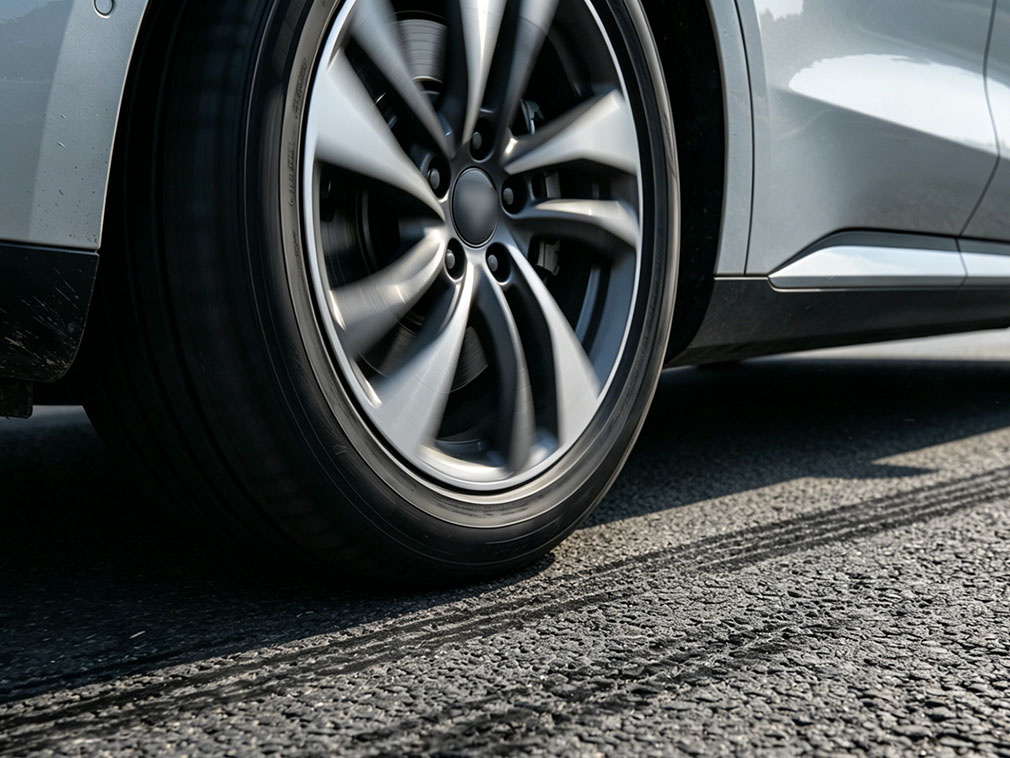
Despite the aforementioned shortcomings in driving characteristics, the adoption of new energy vehicles remains strong. The penetration rate of new energy vehicles in China continues to climb, having steadily exceeded 40% by 2025. Entering 2026, the pace of electrification for both private passenger and commercial vehicles is accelerating further.
Looking at major global auto shows, the proportion of new energy vehicles on display is increasing year by year. Major automakers are reducing the scale of their R&D and exhibitions of gasoline-powered vehicles, focusing instead on showcasing pure electric, hybrid, and core electric drive technologies, confirming the trend towards full electrification in the automotive industry.
To address the dynamic shortcomings caused by vehicle weight and the instantaneous release of torque, the industry is continuously improving through technological iteration. Currently, mainstream automakers generally adopt more robust independent suspension structures such as front double wishbone and rear multi-link suspensions to enhance vehicle support and driving stability; simultaneously, they are upgrading vehicle stability control systems and traction control algorithms to precisely allocate motor torque output and avoid sudden power surges.
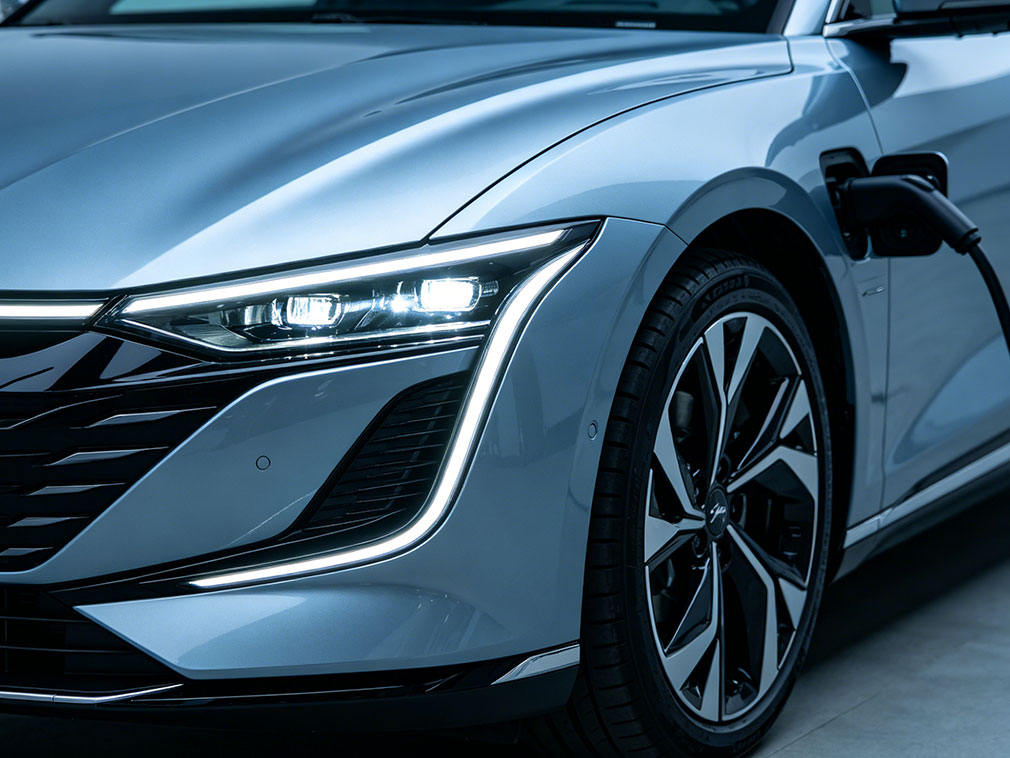
In addition, the application of lightweight components such as aluminum alloys and composite materials, as well as the upgrading of battery pack structure integration technology, are gradually reducing redundant vehicle weight, seeking a better balance between power performance and driving stability, and continuously improving the driving experience and safety performance of new energy vehicles.