
Low Carbon Sustainable Tyre Materials
A number of cutting-edge low-carbon materials, such as bio-based rubber, recyclable pyrolytic carbon black, and non-fossil-based reinforcing fillers, are gradually moving from the laboratory to pilot-scale or large-scale application stages.
Industry experts believe that these new materials effectively break through the dual limitations of traditional petrochemical-based tire materials in terms of both performance and environmental protection, propelling the domestic green tire industry to accelerate its shift away from a follower-driven development model and achieve a crucial leap from "passively replacing traditional products" to "actively surpassing traditional performance and leading industry upgrades."
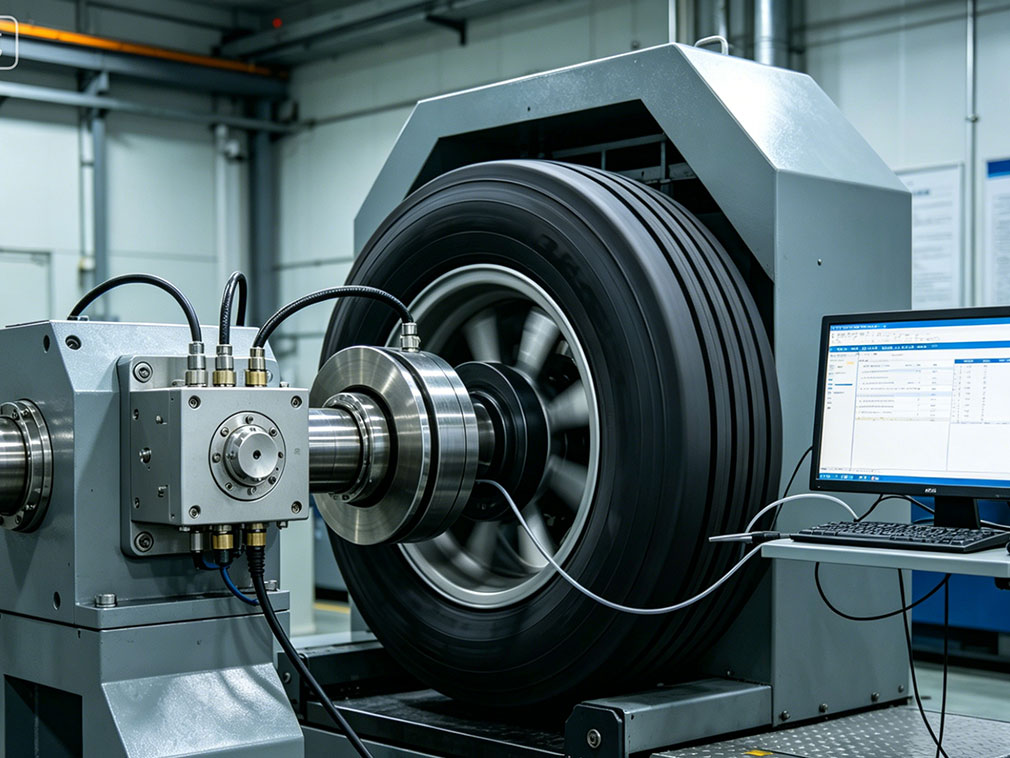
For a long time, the domestic tire industry has been highly dependent on petrochemical raw materials such as oil and coal. Traditional core materials such as rubber, carbon black, and reinforcing fillers not only have high carbon emissions and resource consumption during production, but also inherent bottlenecks in key performance aspects such as wear resistance, aging resistance, and low rolling resistance, making it difficult to simultaneously meet the multiple demands of energy conservation, safety, and low carbon emissions.
Past green tire transformations have mostly remained at the level of minor process optimization and material reduction and substitution, essentially still passively adapting to the traditional petrochemical system, failing to break through the core constraints of industrial development, and the green transformation has long remained at a superficial stage.
Now, the industrialization of these three cutting-edge materials is reshaping the industry's development landscape. In the field of bio-based rubber, domestic technology has achieved substantial breakthroughs. Leveraging synthetic biology technology, enterprises and universities have jointly overcome the core challenges of synthesizing rubber from non-grain raw materials, establishing a world-class demonstration production line for bio-based itaconic acid ester rubber with a capacity of thousands of tons, and a 10,000-ton-level industrial production line is also in the implementation phase.
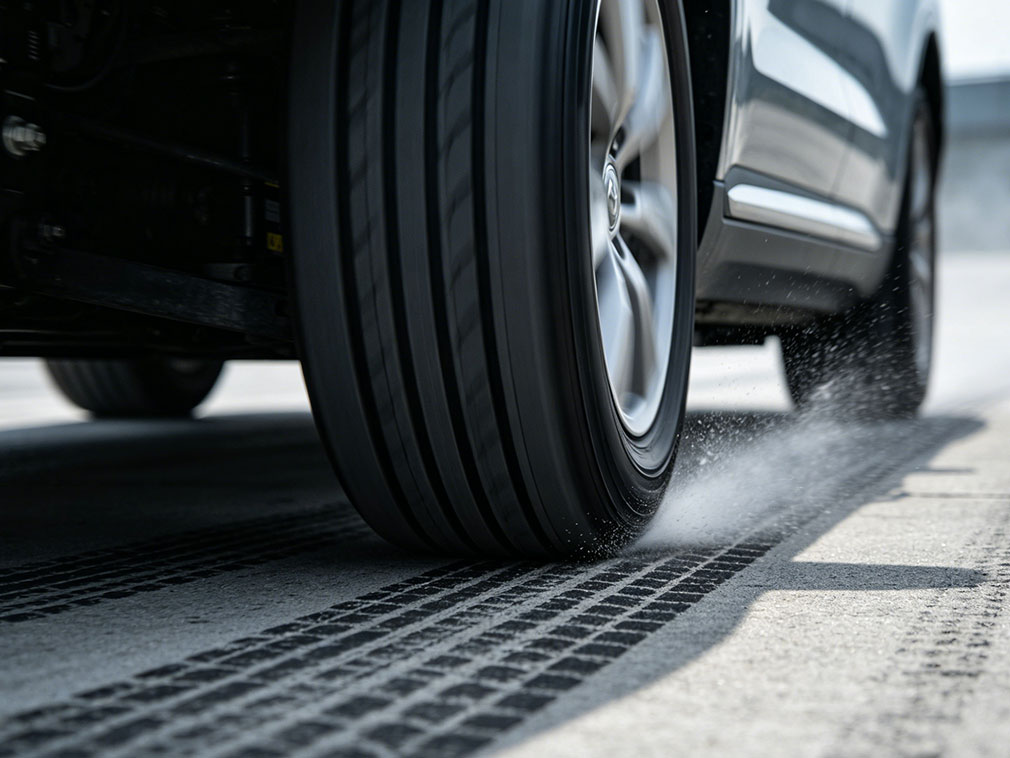
This material uses agricultural waste such as straw and corn cobs as its main raw materials, completely eliminating dependence on petroleum resources. It also possesses superior low-temperature resistance and anti-aging properties, making it suitable for tire manufacturing needs in various scenarios, including passenger cars and commercial vehicles. It is currently being used in batches in high-end green tire products.
Recyclable pyrolytic carbon black directly addresses the industry pain points of waste tire recycling. Traditional waste tire recycling generally suffers from carbon black performance degradation and impurity residues, making it difficult to use in high-end tire production.
The new generation of pyrolysis technology, through precise temperature control and refined purification processes, can regenerate high-purity, high-performance recycled carbon black from waste tires. Its reinforcing and wear-resistant properties are comparable to virgin petrochemical-based carbon black, while significantly reducing carbon emissions in the production process.
Currently, this technology has completed pilot-scale optimization, and multiple recycled carbon black production lines have achieved stable production. It is widely used in the mass production of green tires, initially establishing a closed-loop industrial chain of "tire production—waste recycling—reuse."
Non-fossil-based reinforcing fillers are becoming a new fulcrum for tire performance upgrades. Unlike traditional petrochemical-derived fillers, new non-fossil fillers such as rice husk ash, carbon black, and microfiber cellulose are derived from renewable resources such as agricultural and forestry waste, exhibiting prominent green and low-carbon attributes.
Actual test data shows that a properly proportioned non-fossil filler can effectively reduce tire rolling resistance, improve fuel economy, and optimize grip and wear resistance, demonstrating superior overall performance compared to traditional fillers. Currently, this type of filler has entered the commercial pre-production stage and is gradually replacing traditional petrochemical fillers, moving towards large-scale application.
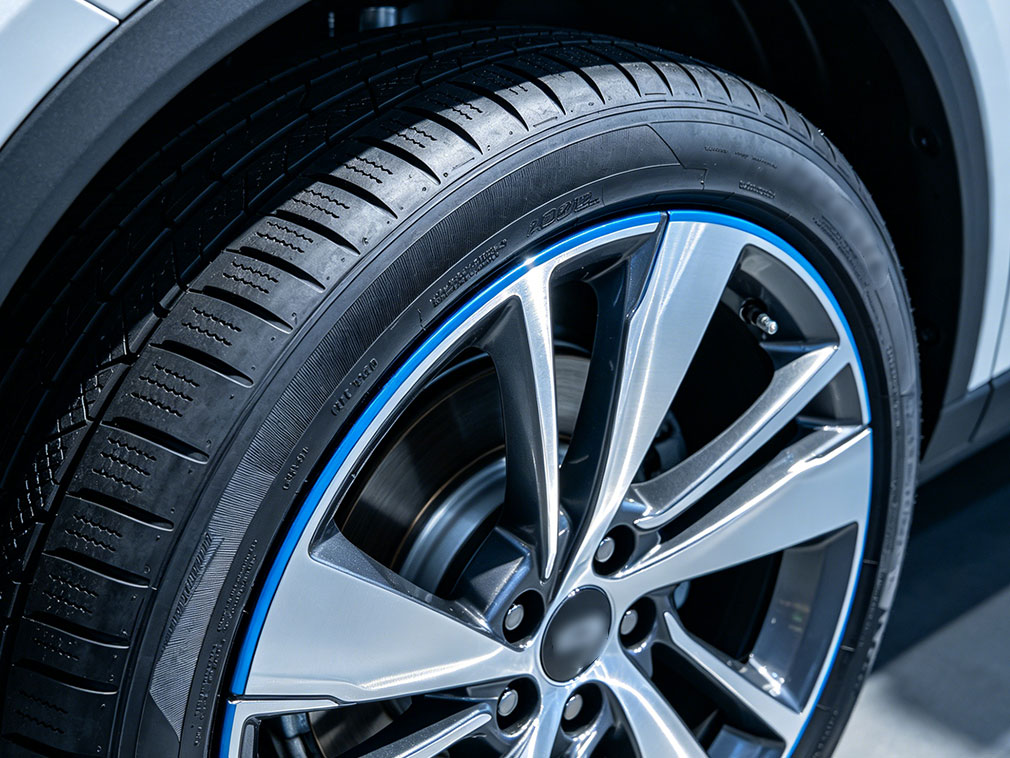
With the iterative implementation of these three new materials, leading domestic tire companies have launched tire products with a high proportion of sustainable materials, significantly increasing the overall proportion of sustainable materials and setting a new benchmark for green manufacturing in the industry.
Industry insiders say that the new material system not only significantly reduces the carbon footprint of tires throughout their entire life cycle, but also breaks through the performance limitations of traditional materials, making green tires no longer "products of environmental compromise" but high-quality products that combine low carbon emissions, high performance and high cost-effectiveness, helping the tire industry achieve high-quality green upgrades.




