
Natural Rubber Market Outlook May 2026
Natural rubber is a core, essential raw material for tire manufacturing, and its price trends directly impact tire companies' production costs and production schedules. Recently, the global natural rubber market has exhibited characteristics of a tight supply-demand structure, high-level price fluctuations, and intensified competition between bulls and bears.

It has transitioned from a unilateral upward trend at the beginning of the year to a phase of seasonal adjustment and fundamental recovery, significantly impacting the tire industry's raw material procurement and inventory management.
Looking at price performance, the natural rubber market continued its upward trend in the first quarter of 2026, entering a period of high-level stabilization from early May, with the upward momentum gradually weakening. On May 29th, the domestic natural rubber futures main contract closed at 17,806 yuan/ton, a slight increase during the day. Short-term prices are expected to maintain a narrow range of high fluctuations, with no significant trend-driven volatility.
The price increases in the first half of the year were mainly driven by a global supply-demand gap. According to data from the Association of Natural Rubber Producing Countries (ANRPC), global natural rubber demand is projected to reach 15.602 million tons in 2026, while production will only reach 15.324 million tons, clearly indicating an annual supply-demand gap and providing strong support for rubber prices.
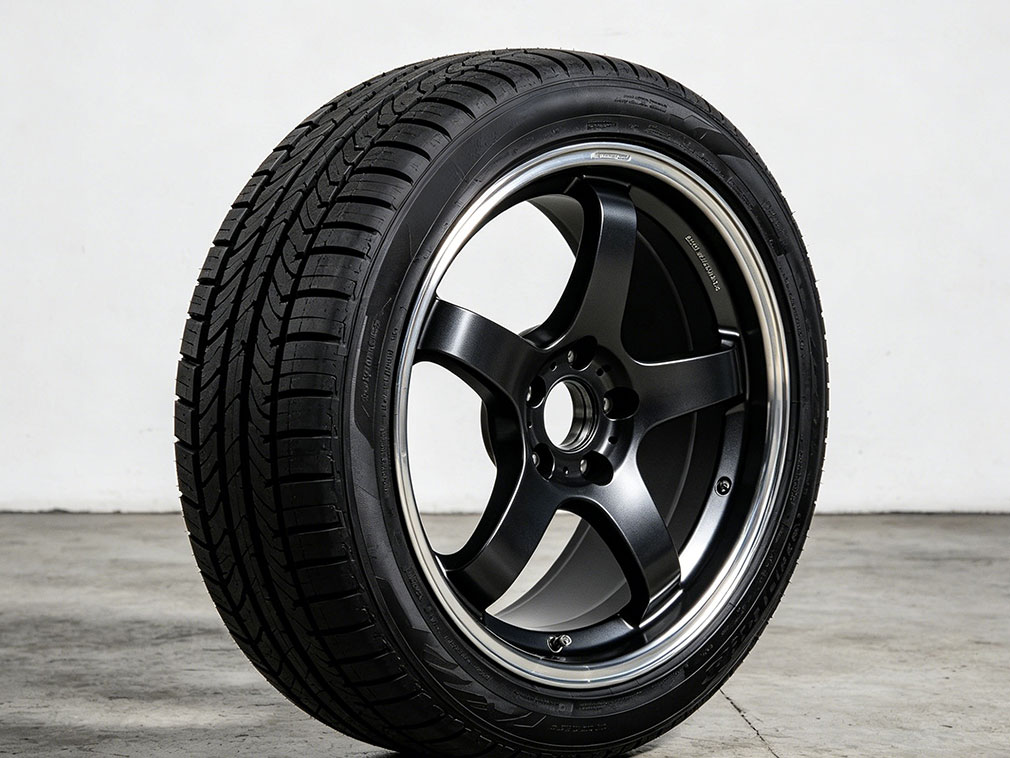
However, entering May, Southeast Asia's main producing regions entered the traditional peak rubber tapping season, with raw material supply steadily increasing, suppressing further price increases. The market as a whole exhibits a pattern of "high prices difficult to fall, but insufficient upward momentum."
On the supply side, a divergent pattern emerges: "tight in the long term, but increasing in the short term." In the long term, global natural rubber production capacity growth is weak. Thailand, the largest rubber producer, is constrained by factors such as aging rubber trees, the conversion of some rubber plantations to cash crops, and labor shortages, resulting in continued limited capacity release and difficulty in quickly filling the gap left by increased global demand.
In the short term, rainfall in Southeast Asian producing regions normalized in May, significantly alleviating concerns about reduced production caused by the El Niño drought. Rubber tapping operations in major producing areas such as Thailand and Indonesia proceeded smoothly, leading to a continued increase in latex raw material supply compared to the previous month, effectively easing the previous situation of tight raw material supply and processing plants raising prices to secure supplies.
Meanwhile, the implementation of tariff preferences between China and some rubber-producing African countries further increased the volume of imported natural rubber, resulting in a moderate increase in short-term market supply pressure.

On the demand side, overall resilience was evident, with the tire industry's essential demand providing solid support. A moderate recovery in the global automotive industry in 2026 constitutes the core driver of natural rubber demand. In the domestic market, the continued expansion of new energy vehicle production and sales, along with steady growth in commercial vehicle and passenger vehicle production, has driven a sustained increase in demand for matching tires.
In overseas markets, tire replacement demand in Europe and the United States has rebounded, and accelerated automobile consumption in emerging markets such as Africa and Southeast Asia has jointly boosted tire exports and rubber raw material consumption. Currently, domestic tire manufacturers are maintaining relatively high operating rates, and demand for rubber is relatively stable.
However, due to high finished product inventories, companies are generally adopting a strategy of purchasing only as needed and operating with low inventory levels, with no concentrated restocking activity yet, which to some extent restricts the release of rubber demand.
Inventory and macroeconomic factors are further intensifying market competition. Inventory data shows that as of mid-to-late May, natural rubber inventories in the Qingdao bonded area had slightly increased month-on-month, with inventory pressure moderately increasing, putting short-term downward pressure on rubber prices. At the macro level, uncertainties remain regarding the direction of global monetary policy and exchange rate fluctuations.
Coupled with a generally cautious sentiment in the commodity market, speculative trading in the natural rubber market has cooled down, and price movements are more closely aligned with changes in supply and demand fundamentals.
In summary, in the short term (late May to early June), the natural rubber market will continue its range-bound trading pattern. Seasonal supply increases and the resilience of tire demand will offset each other, making it difficult for prices to experience a one-sided trend. In the medium to long term, the core logic of a global supply-demand gap remains unchanged.
With the arrival of the traditional peak consumption season in the third quarter, end-user demand for tires is expected to further increase. Coupled with the risk of periodic weather disturbances in production areas, natural rubber prices still have room for recovery and upward movement. Going forward, it is crucial to closely monitor weather changes in major production areas, the pace of raw material production, and the operating rates and restocking dynamics of tire manufacturers.
-
National Day Highway Charging Hits Record: +60.4% YoY(Oct 8)8256
-
New Energy Vehicle Exports Accelerate: 3.435 Million Units in First 8 Months, Up 120% Year-on-Year(Oct 8)8878
-
Chinese Tire Exports: Volume Up But Revenue Down Nearly RMB 900 Per Ton(Oct 8)5406
-
CNH Industrial: Smart Farming, NE and Local Tech(Sep 30)5569
-
CNHTC Drives Surging NE Heavy Truck Exports(Sep 30)8496




