
Is Tire Rotation Necessary?
Many car owners are advised by dealerships to rotate their front and rear tires regularly during vehicle maintenance to extend tire life. Many people are skeptical, believing this is merely a marketing tactic used by tire shops to earn service fees. In fact, tire rotation is not an optional maintenance item, but a routine maintenance measure explicitly recommended by many car manufacturers and mainstream tire manufacturers. Its practicality and necessity are well-founded with professional evidence.
The fundamental reason tires need regular rotation is that the four tires experience completely different stresses, loads, and operating conditions, leading to significant uneven wear over time. Front-wheel drive is the most common type of passenger car. The front tires typically bear more than 60% of the vehicle's weight and are responsible for steering, driving, and the main braking tasks.
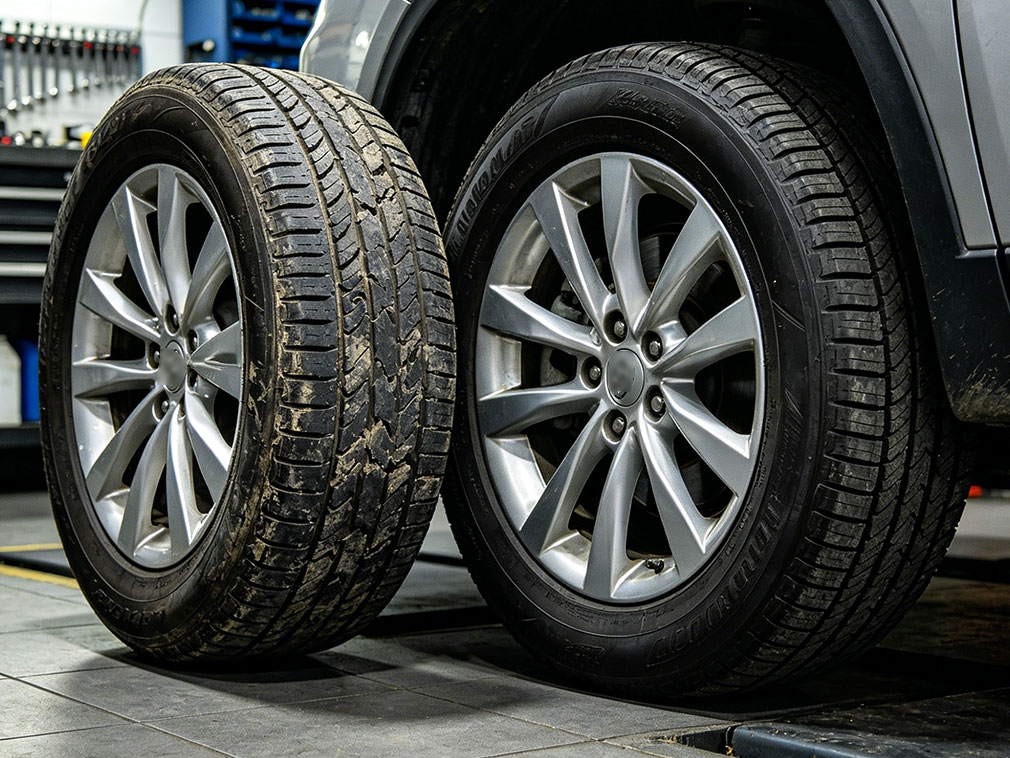
During braking, about 70% of the braking force is borne by the front tires, and the tire treads also experience lateral friction during cornering. This causes the front tires to wear 30% to 50% faster than the rear tires. Rear-wheel drive vehicles are the opposite; the rear tires are responsible for power output, and their wear is far greater than that of the front tires.
Even in four-wheel drive vehicles, the wear of the four wheels is not entirely uniform, and slight differences in wear will still occur over time. If tires are not rotated regularly, the faster-wearing tires will become thinner and their treads will become shallower prematurely. This not only significantly shortens the lifespan of each tire but also creates numerous potential safety hazards.
Uneven wear on the four tires results in inconsistent grip and braking performance, making them prone to slippage and brake pull in rainy weather. It also reduces vehicle stability at high speeds, significantly increasing driving risks. Furthermore, excessive wear differences can lead to increased tire noise, a poorer ride quality, and a slight impact on the vehicle's straight-line stability.
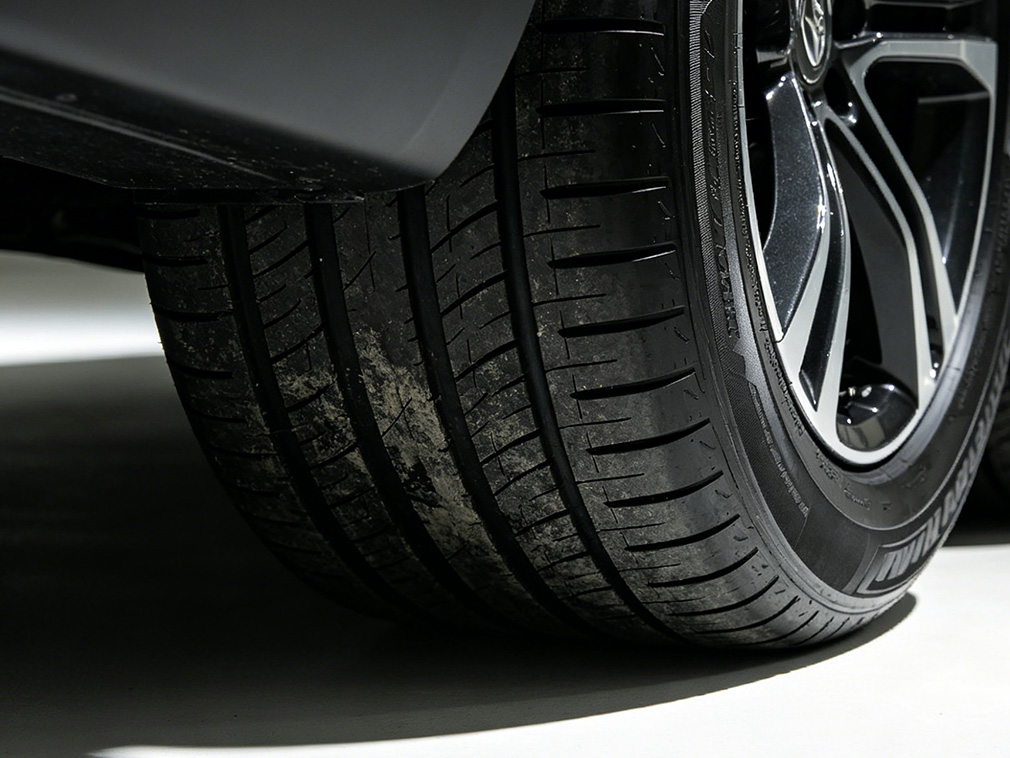
Regular tire rotation offers substantial benefits. Industry test data shows that consistent rotation can make the wear of all four tires more even, increasing their overall lifespan by 20% to 30%. What might have required replacing tires in batches can now be rotated so that all four tires reach their wear limit simultaneously, avoiding premature replacement and reducing long-term operating costs. In addition, even tread wear ensures consistent grip on all four wheels, guaranteeing stable braking and steering performance and mitigating safety hazards caused by differences in tire condition.
The maintenance guidelines of many mainstream brands also confirm the necessity of this operation. Tesla, Bridgestone, and other automakers and tire manufacturers explicitly recommend rotating tires approximately every 10,000 kilometers, and many vehicle maintenance manuals list it as a routine maintenance item. This operation is simple, inexpensive, and a cost-effective maintenance measure, not just an industry marketing gimmick.
Of course, tire rotation should be performed based on actual conditions and should not be done blindly. If tires have severe uneven wear, bulges, aging cracks, or a significant difference in tread depth between the front and rear tires, forced rotation is not advisable; the problematic tires should be replaced directly. Additionally, some models equipped with directional or asymmetrical tread patterns require following specific rotation rules to avoid incorrect operation that could affect tire performance.
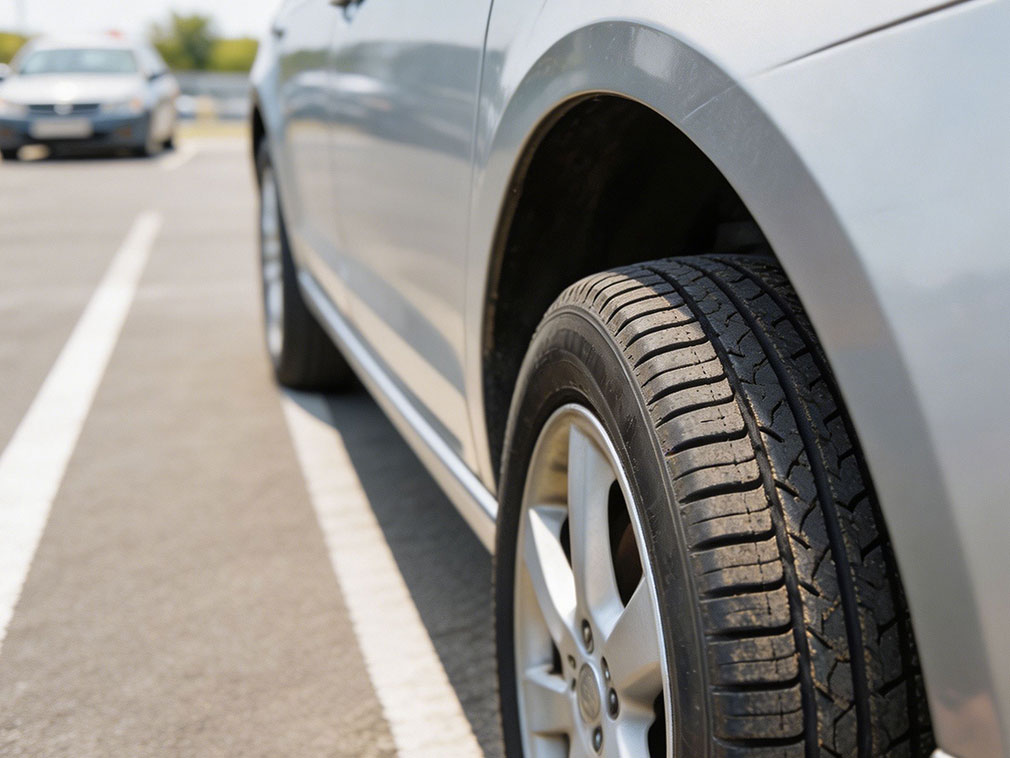
In summary, front and rear tire rotation is a scientific maintenance method based on the vehicle's mechanical characteristics. Its core functions are to even out wear, extend the overall tire life, and ensure driving safety; it is not a marketing tactic used by dealerships to generate revenue.
Car owners can fully utilize tire performance and reduce long-term vehicle usage costs and safety risks by simply following the recommended maintenance cycle in the vehicle maintenance manual and avoiding improper tire rotation.
-
National Day Highway Charging Hits Record: +60.4% YoY(Oct 8)8264
-
New Energy Vehicle Exports Accelerate: 3.435 Million Units in First 8 Months, Up 120% Year-on-Year(Oct 8)8882
-
Chinese Tire Exports: Volume Up But Revenue Down Nearly RMB 900 Per Ton(Oct 8)5408
-
CNH Industrial: Smart Farming, NE and Local Tech(Sep 30)5575
-
CNHTC Drives Surging NE Heavy Truck Exports(Sep 30)8500




