
Low Rolling Resistance Tire Tech for PHEVs
By 2026, pure electric and plug-in hybrid vehicles will dominate the market, with energy efficiency, dynamic driving quality, and long-term durability becoming core directions for industry technology research and development. Compared to traditional gasoline vehicles, electric vehicles lack the redundant power of an engine, making them more sensitive to energy consumption.
Rolling resistance and structural deformation losses during driving directly affect range and driving experience. By reducing rolling resistance and optimizing tires and related structures, vehicle characteristics can be better suited to the power output of electric vehicles, effectively alleviating the pain point of balancing range, handling, and durability in new energy vehicles, and promoting a balanced improvement in these three performance aspects. This technical solution can also be widely applied to plug-in hybrid vehicles, possessing good versatility and practical value.

Rolling resistance is one of the main sources of energy loss in new energy vehicles. The deformation hysteresis and structural friction generated by tire contact with the road surface continuously consume electrical energy, directly reducing the effective driving range.
Traditional structural designs are mostly based on the power characteristics of gasoline vehicles, often exhibiting problems such as structural redundancy, large deformation losses, and uneven ground pressure distribution, making it difficult to meet the low energy consumption and high response requirements of electric vehicles.
To address this, the new generation of low rolling resistance optimization technology leverages CAE simulation and intelligent structural modeling to upgrade both material formulation and physical structure. At the material level, it uses functionalized solution-polymerized styrene-butadiene rubber combined with highly dispersed silica composite material to replace traditional hard rubber. While maintaining structural toughness and grip performance, it significantly reduces hysteresis energy loss during rolling, reducing resistance consumption at its source.
At the structural optimization level, it abandons the traditional low-profile wide tread design, adopting a scientific structural layout with a large outer diameter, narrow tread, and medium aspect ratio. This precisely optimizes the tire's contact patch and pressure distribution, reducing ineffective contact area and effectively lowering rolling resistance.
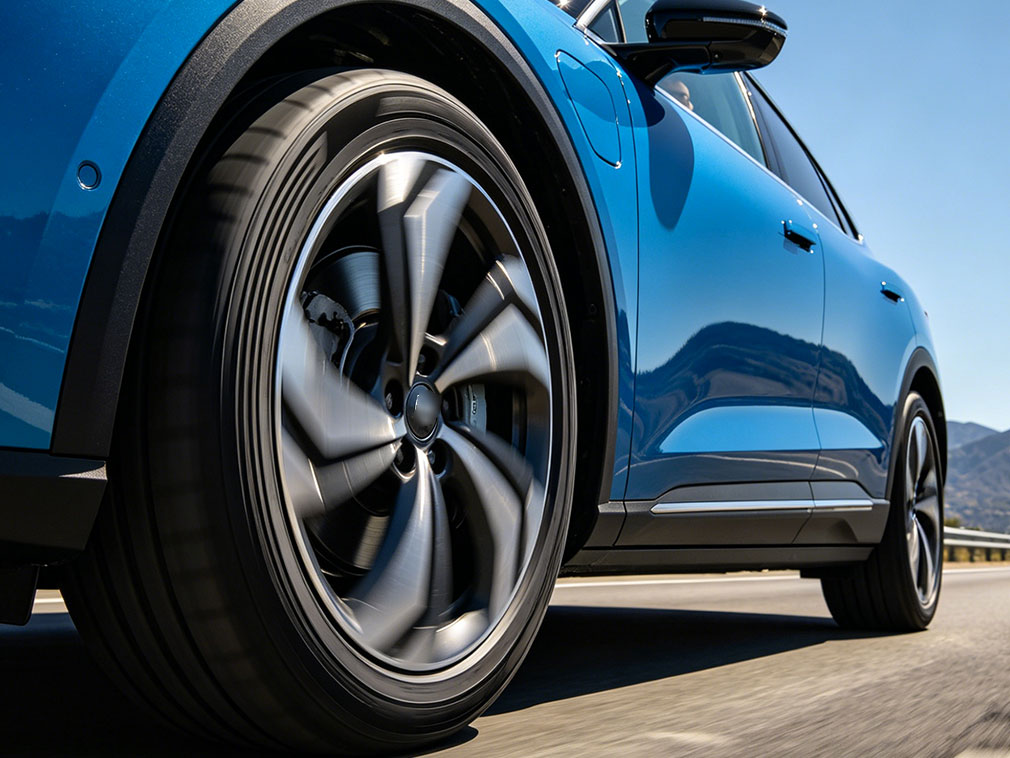
Simultaneously, by adjusting the tire's flexural position and simplifying redundant structures, it reduces overall weight, further minimizing load loss during driving. Compared to traditional structures, the optimized solution significantly reduces rolling resistance under normal commuting conditions, minimizing unnecessary energy consumption, steadily improving range performance, and helping to alleviate range anxiety.
The outstanding value of this optimization solution lies in its ability to resolve the industry challenge of sacrificing handling or durability in low rolling resistance design, achieving a multi-dimensional balance of performance. Traditional low rolling resistance modifications often rely on hardened materials or simplified structures to save energy, which can easily lead to insufficient wet grip, reduced structural wear resistance, and decreased driving stability.
This new solution, while reducing drag and increasing range, utilizes a uniform structural stress design to strengthen tire support and improve dynamic stability during vehicle start-up, acceleration, and cornering. This allows for precise matching of the instantaneous high torque and fast response of electric vehicle motors, effectively preventing slippage and body sway caused by sudden power surges, thus optimizing dynamic driving quality.
In terms of durability, the optimized structure experiences more uniform stress, effectively mitigating localized deformation, wear, and heat generation during rolling, and slowing down structural aging and performance degradation caused by long-term driving. This helps extend the lifespan of core components, reduces later maintenance costs, and allows the vehicle to maintain stable range and handling performance over long-term use, achieving a dual improvement in energy efficiency and durability.
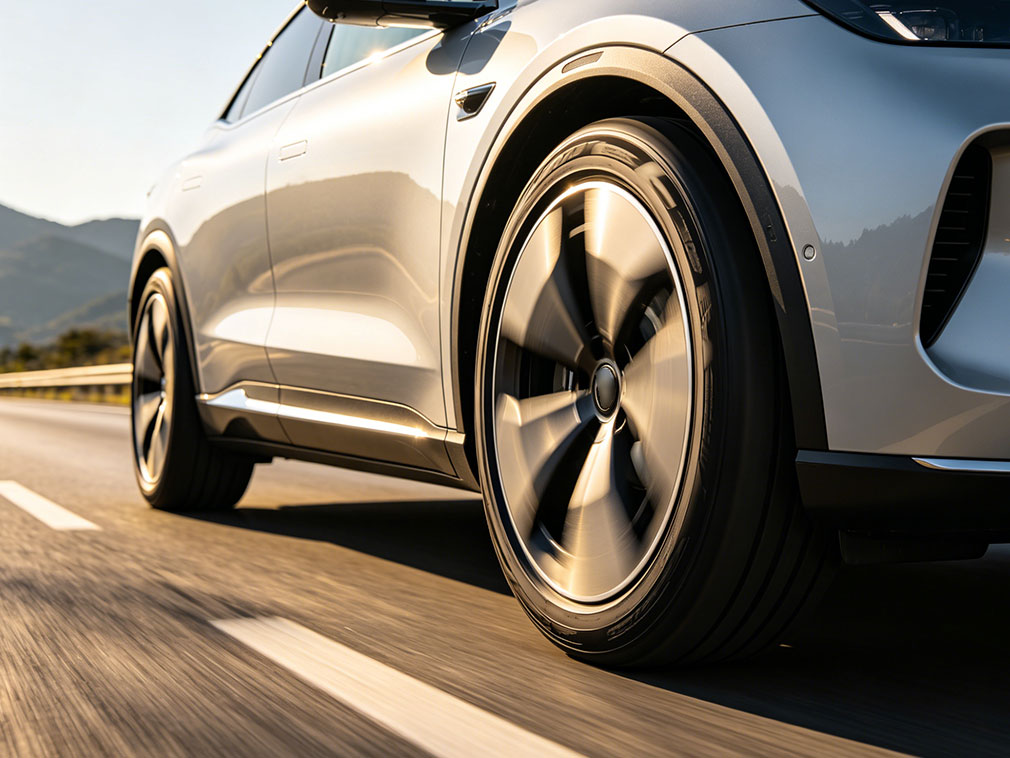
Notably, it boasts excellent vehicle compatibility, applicable not only to pure electric vehicles but also to plug-in hybrid vehicles. Plug-in hybrid vehicles (PHEVs) utilize both gasoline and electric powertrains, resulting in frequent switching between operating conditions and placing higher demands on energy consumption control and structural stability.
This technology's low-loss and high-stability characteristics effectively meet the needs of PHEVs in various scenarios, including pure electric driving, hybrid synergy, and high-speed cruising. Whether it's low-energy driving in electric mode or dynamic load switching in hybrid mode, it effectively reduces overall energy consumption, improves driving quality, and enhances overall vehicle performance.
Currently, the new energy vehicle industry is focusing on technologies that emphasize high efficiency, energy saving, universal compatibility, and long-term durability. This structural optimization technology, which balances low rolling resistance, high dynamic response, and high durability, closely aligns with industry trends.
It can be implemented without significant modifications to the vehicle architecture, is compatible with most mainstream new energy vehicle models, and features controllable promotion costs, comprehensive performance improvements, and strong practicality. It provides reliable technical support for the energy efficiency upgrade and balanced performance iteration of new energy vehicles.




