
How Sailun Tire Navigates Raw Shipping
Currently, the tire industry is facing multiple challenges, including drastic fluctuations in raw material prices, profound adjustments in the international trade landscape, and increased uncertainty in the global supply chain.
As a leading domestic tire company expanding overseas, Sailun Tire has proactively addressed cost and shipping pressures through forward-looking planning and precise measures, ensuring stable operations. Currently, the company's overall capacity utilization rate remains at a high level, demonstrating outstanding resilience.
Raw material costs account for over 70% of tire production costs, with natural rubber, synthetic rubber, and carbon black—the three core raw materials—accounting for over 70%. Fluctuations in their prices directly impact a company's profitability. Recently, major natural rubber producing regions in Southeast Asia have entered their traditional off-season, leading to supply contraction and price increases.
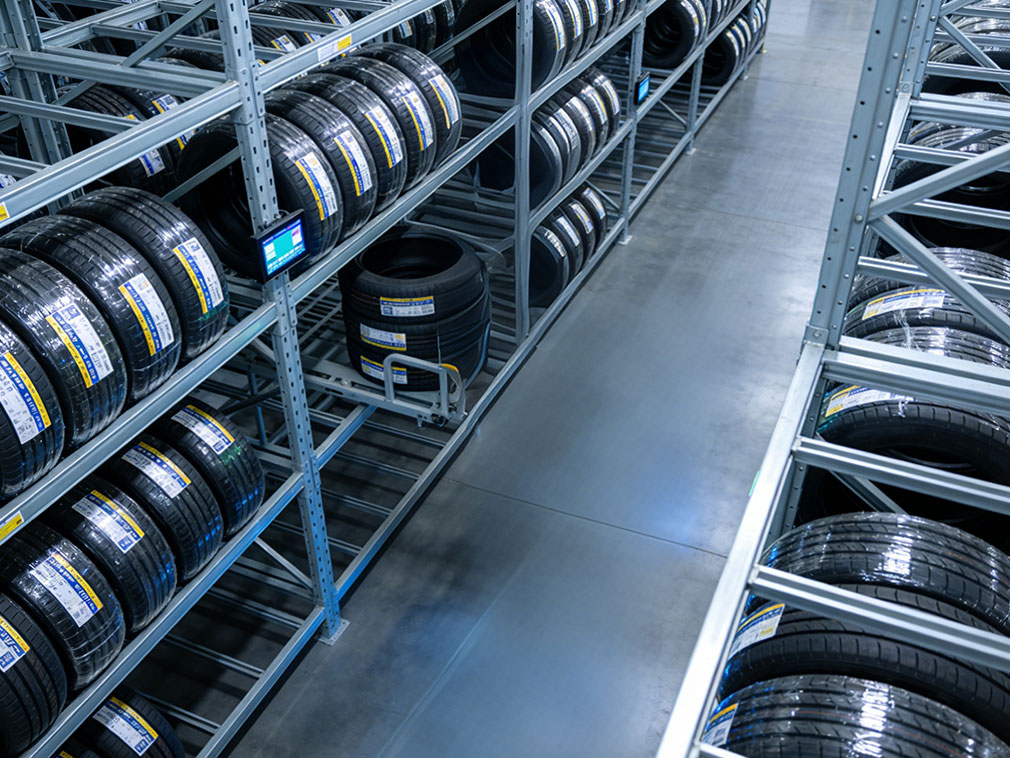
This, coupled with high and volatile international oil prices driving up synthetic rubber prices, and significant increases in carbon black prices due to rising raw material costs and capacity contraction, has significantly increased the overall cost pressure on tire companies. In response, Sailun Tire employs a combined model of "long-term spot contracts + futures hedging + supply chain integration," using flexible procurement strategies to mitigate price volatility risks.
In terms of procurement strategy, Sailun Tire has signed three-year long-term agreements with Thailand's IRPC and Malaysian synthetic rubber companies, securing over 50% of its synthetic rubber procurement volume.
The agreed-upon prices are 5% to 8% lower than spot prices, effectively stabilizing core raw material costs. Simultaneously, the company utilizes financial instruments such as Shanghai Futures Exchange natural rubber futures and Singapore Exchange carbon black swaps for hedging.
In 2025, it invested 500 million yuan in margin, covering approximately 30% of its raw material procurement volume, effectively offsetting cost pressures from rising raw material prices. Furthermore, the company mitigates the impact of volatility through supply chain integration at its overseas bases.
Its Cambodian base has introduced upstream industries such as carbon black and additives, aiming to achieve a 40% self-sufficiency rate for raw materials by 2026. Overseas bases, through local procurement combined with the zero-tariff advantages of free trade zones, achieve per-tire costs 10% to 15% lower than domestic costs.
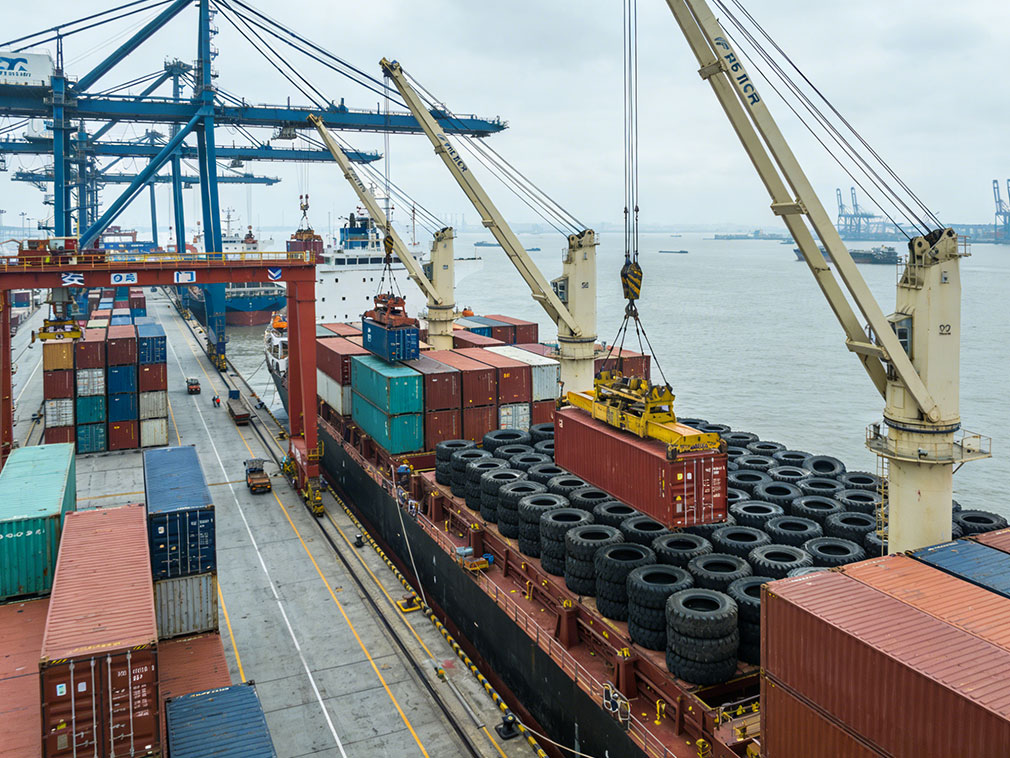
Regarding shipping, escalating geopolitical conflicts in the Middle East and tensions in the Strait of Hormuz have exacerbated international shipping cost volatility. High international trade barriers have also introduced uncertainty into tire exports. To address this challenge, Sailun Tire accurately assessed shipping route demand and signed long-term shipping agreements for key routes.
Leveraging these long-term partnerships, the company secured more competitive shipping prices than the market average, effectively mitigating the impact of fluctuating logistics costs. Against the backdrop of a 12.5% year-on-year increase in China's tire exports in the first two months of 2026, the company's stable shipping guarantees facilitated the smooth delivery of overseas orders. Even in February 2026, a traditionally slow season, orders to the US still achieved positive year-on-year growth.
Regarding capacity utilization, as a leading company in the industry, Sailun Tire maintains a high overall capacity utilization rate thanks to its comprehensive market layout and stable order support. The semi-steel tire operating rate has consistently remained above 95%, approaching full capacity. In 2026, the company's core new capacity will enter a period of concentrated release, with new capacity expected to reach full production in the first quarter.
The Mexican and Indonesian factories have already achieved mass production, with capacity ramping up, further enhancing capacity utilization. This high capacity utilization rate not only effectively reduces unit production costs but also demonstrates the company's comprehensive advantages in market expansion, production organization, and supply chain management.
Faced with a complex industry environment, Sailun Tire has taken a variety of measures to hedge against risks. It has relied on flexible procurement strategies to alleviate the pressure of raw material price fluctuations, secured logistics cost advantages through long-term ocean freight contracts, and ensured the company's operating efficiency with high capacity utilization.
-
New Energy Vehicle Exports Accelerate: 3.435 Million Units in First 8 Months, Up 120% Year-on-Year(Oct 8)8874
-
Chinese Tire Exports: Volume Up But Revenue Down Nearly RMB 900 Per Ton(Oct 8)5404
-
CNH Industrial: Smart Farming, NE and Local Tech(Sep 30)5565
-
CNHTC Drives Surging NE Heavy Truck Exports(Sep 30)8494
-
Construction Machinery Goes Global Amid Barriers(Sep 30)7878




