
Tire & Chip Price Surge Squeezes Auto
Tires, as a core component of automobiles, directly affect vehicle safety, comfort, and range, and their price fluctuations are always closely linked to the overall vehicle manufacturing industry. In March 2026, the domestic tire industry experienced a wave of concentrated price increases, with nearly 500 companies, including Zhongce Rubber, Sailun Tire, and Linglong Tire, issuing price increase notices. Prices for all products, including all-steel and semi-steel tires, generally increased by 2%-5%, with some specifications approaching 10%.
This wave of price increases is gradually spreading to the vehicle manufacturing end, coupled with soaring costs of core components such as automotive-grade chips, putting domestic automakers under unprecedented cost pressure.
This round of tire price increases was not a proactive price adjustment by companies, but rather a passive choice forced by the comprehensive rise in upstream raw material prices. According to industry monitoring, natural rubber, synthetic rubber, and carbon black, the three core raw materials, account for more than 70% of tire production costs, and the prices of all three have recently risen simultaneously.
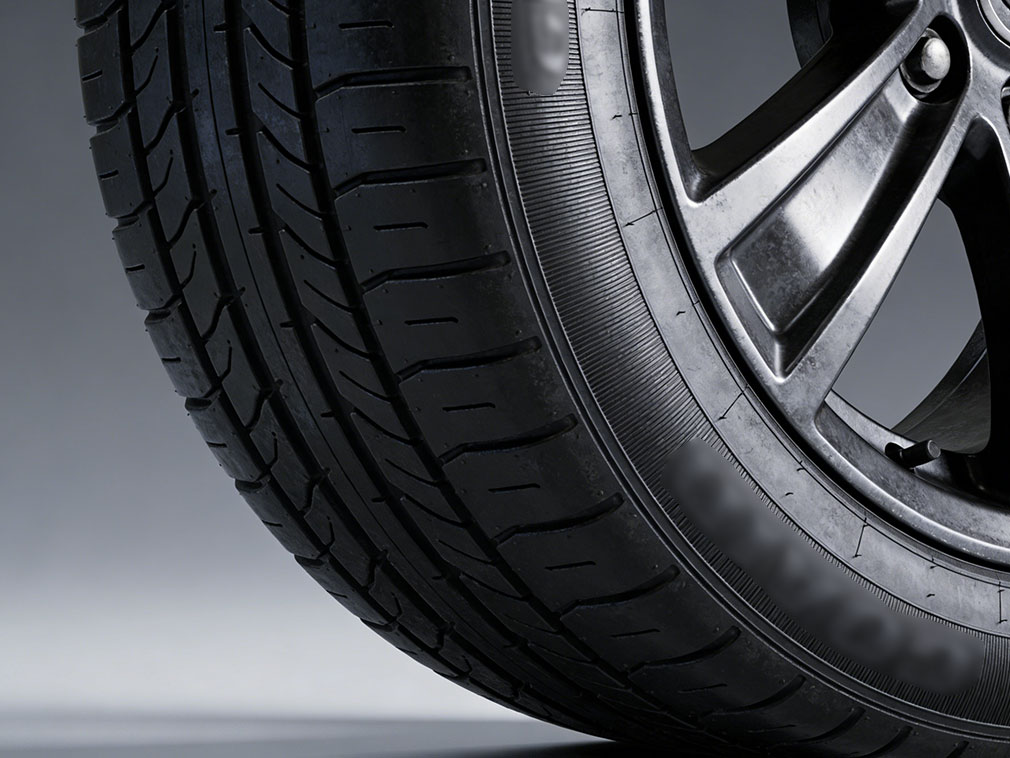
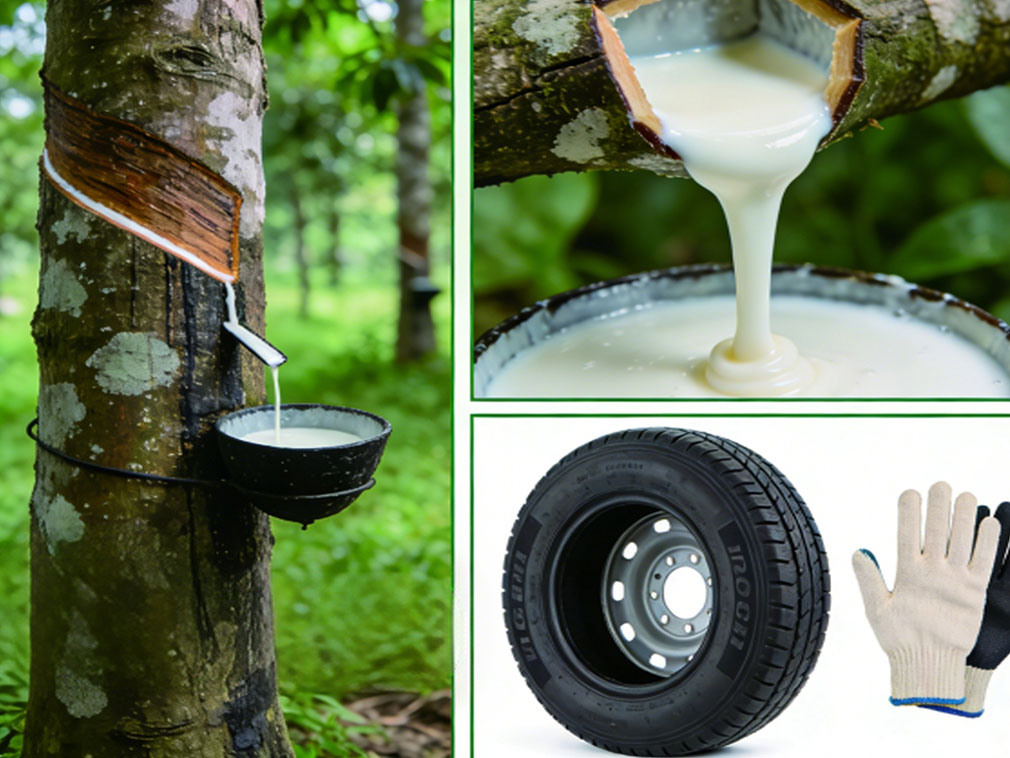
Currently, Southeast Asia's main natural rubber producing areas have entered their traditional off-season, and the resulting supply contraction has driven up spot prices.
This, coupled with increased international logistics costs due to fluctuations in the US dollar exchange rate and geopolitical conflicts in the Middle East, has led to an 8% year-on-year increase in the landed price of imported natural rubber.
Synthetic rubber prices are deeply tied to international oil prices. Currently, Brent crude oil prices have exceeded $113 per barrel, driving up prices of synthetic rubbers such as styrene-butadiene and butadiene. Tight supply of butadiene, a key raw material, further exacerbates cost pressures.
Carbon black prices have seen the most significant increase, surging 13% in a single month since 2026. International carbon black giant Cabot has raised prices twice in the Chinese market this year, prompting domestic companies to follow suit. Tighter environmental policies leading to capacity reduction have further amplified the price increase effect.
The pressure of rising tire prices is rapidly being transmitted to vehicle manufacturers. For automakers, each vehicle requires 4-5 tires, and tire costs account for 5%-8% of the total vehicle manufacturing cost. For some new energy vehicles, due to their greater weight and higher tire performance requirements, tire costs can account for more than 10%. With tire companies raising prices intensively, automakers' procurement costs are directly increasing.
Taking a mid-sized passenger vehicle as an example, the cost of tires alone has increased by 100-300 yuan compared to the beginning of the year. For commercial vehicles, due to larger tire sizes and greater usage, the cost increase is even more pronounced, undoubtedly exacerbating the profit pressure on automakers.
To make matters worse, the continued surge in automotive-grade chip prices has further squeezed automakers' profit margins. Since the second half of 2025, the price of automotive-grade memory chips has been steadily climbing. A UBS report shows that overall prices have increased by approximately 180% in the past three months, with DDR5 memory seeing an increase of over 300%.
Driven by the explosive demand for AI computing power, memory giants such as Samsung and SK Hynix have shifted their production capacity to high-bandwidth memory, leading to a tight supply of automotive-grade chips.
The price increase in memory chips alone could increase the cost of a single electric vehicle by 1,000 to 3,000 yuan. In addition, power semiconductors and analog chips have also seen price increases. International giants such as Infineon and Texas Instruments plan to raise prices starting in April, with domestic manufacturers following suit, further pushing up chip procurement costs for automakers.
Multiple cost pressures are compounding the pressure on automakers' profit margins, which are being squeezed continuously. A UBS research report shows that the cost of a typical mid-sized intelligent electric vehicle has increased by 4,000 to 7,000 yuan due to rising costs and other factors.
Currently, most automakers are trying to offset cost pressures through various means. Leading companies like Li Auto and NIO are absorbing costs internally by signing long-term agreements with suppliers, strengthening supply chain collaboration, and improving R&D efficiency. Leapmotor is alleviating pressure by increasing the proportion of self-developed and self-manufactured core components.
However, for small and medium-sized automakers, due to insufficient economies of scale and weak bargaining power in the supply chain, the room for coping with rising costs is limited, and some companies face the dilemma of "difficulty in reducing costs and concern about raising prices."
In the short term, cost pressures on tires and automotive-grade chips will continue. Issues such as reduced natural rubber production in Southeast Asia, high and volatile international oil prices, and tight chip production capacity are unlikely to be alleviated in the short term.
For automakers, only by optimizing supply chain management, increasing technological innovation, and improving economies of scale can they effectively offset cost pressures, maintain a competitive edge, and achieve sustainable development.
-
National Day Highway Charging Hits Record: +60.4% YoY(Oct 8)8264
-
New Energy Vehicle Exports Accelerate: 3.435 Million Units in First 8 Months, Up 120% Year-on-Year(Oct 8)8882
-
Chinese Tire Exports: Volume Up But Revenue Down Nearly RMB 900 Per Ton(Oct 8)5408
-
CNH Industrial: Smart Farming, NE and Local Tech(Sep 30)5575
-
CNHTC Drives Surging NE Heavy Truck Exports(Sep 30)8500




