
India 6PPD Duty Hits Tire Costs
India's Ministry of Commerce and Industry officially announced the final anti-dumping ruling on the rubber antioxidant 6PPD. Anti-dumping duties will be levied for five years on 6PPD from China, the EU, South Korea, and Thailand, with different tax rates across different tiers. The highest rate is $930 per ton, equivalent to over 6,300 yuan. This single measure places several Chinese exporting companies in the highest tax bracket, making them the hardest hit in this trade friction.
Those in the tire industry know that 6PPD is an essential antioxidant in tires, used to prevent oxidation and cracking, directly determining the tire's lifespan and safety. Globally, China is the dominant producer and exporter, with consistently large production capacity. It has long supplied India with cost-effective products and is a major source of chemical additives for Indian tire manufacturers. The EU, South Korea, and Thailand are regional supplements, with volumes and production capacities incomparable to China's.
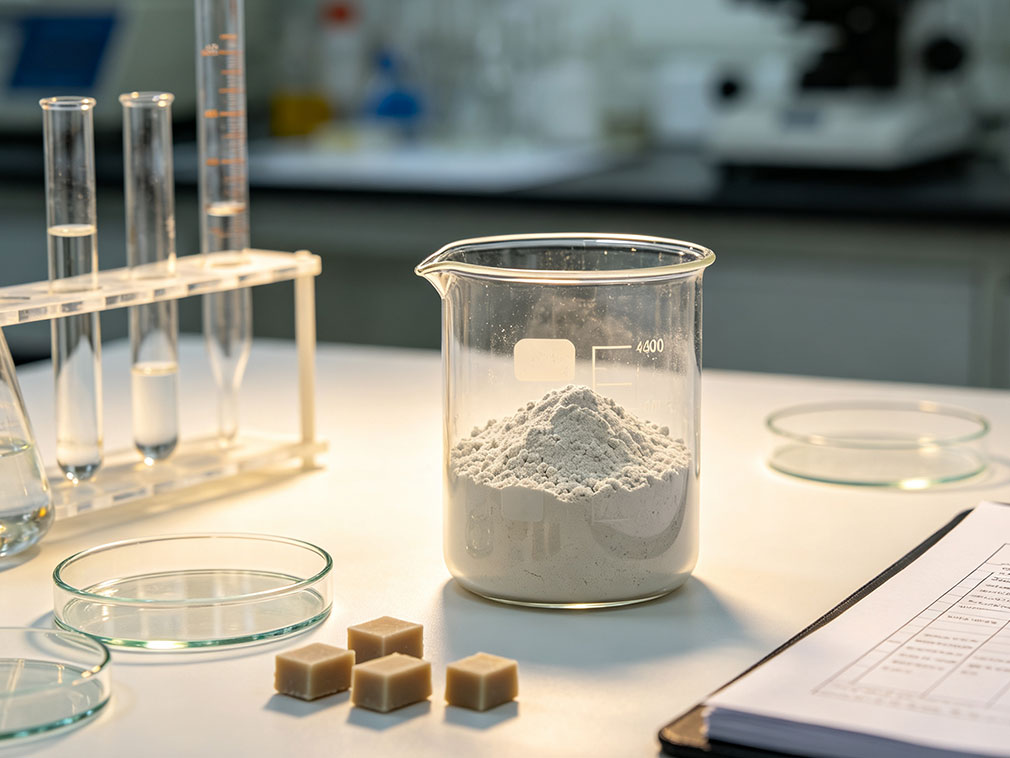
This time, India did not apply a blanket tax rate but instead assigned different tax brackets to suppliers from different regions based on their responses and cooperation. Some domestic tire manufacturers, lacking separate tax rates, were directly placed in the highest tax bracket, causing a sudden surge in costs for Indian buyers purchasing 6PPD from China. While it may seem like a single additive, tire manufacturing is a large-scale, continuous process; a price increase of thousands of yuan per ton adds up to a significant cost burden for any factory using that amount.
To make matters worse, international chemical raw material prices generally rose in the first half of this year, with the market price of 6PPD itself increasing by over 6,000 yuan per ton. With rising market prices on one hand and India adding a high tariff on the other, the cost calculations for Indian tire manufacturers became extremely difficult.
In recent years, Indian tire manufacturers have made significant strides in overseas markets, gaining considerable market share in the mid-range replacement tire market in Europe and America, following a similar strategy to that of Chinese tire manufacturers in their early days. They leveraged local labor costs, established supporting infrastructure, and aggressive pricing to penetrate the mass market with high cost-performance.
Compared to the high prices of big brands like Michelin and Bridgestone, Indian tires, with comparable quality and lower prices, quickly gained a foothold in the European and American markets, maintaining double-digit export growth for several consecutive years and becoming a showcase for Indian manufacturing exports.
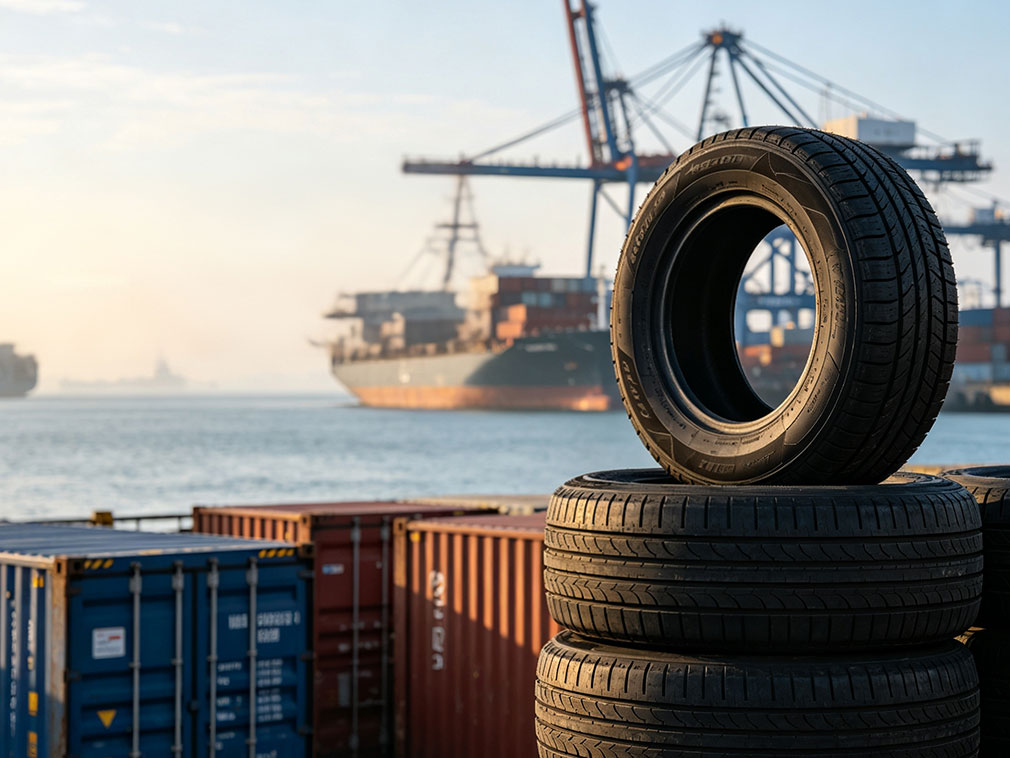
However, with the recent surge in raw material prices, this showcase is starting to falter. Raw materials account for the bulk of tire production costs, typically over 70%. Fluctuations in any of these—natural rubber, carbon black, or additives—can significantly erode profits.
The sharp increase in the cost of 6PPD (pigmented per liter) has put Indian tire manufacturers in a dilemma: if overseas prices don't adjust, profits will be squeezed to extremely thin margins, potentially leading to direct losses for small and medium-sized factories; if prices are raised, their existing price advantage will disappear, leaving them less competitive against Chinese and Southeast Asian tire manufacturers, and their hard-won market share in Europe and America may be lost.
To withstand the costs, Indian companies are seeking alternative solutions, but none can be relied upon in the short term. First, India wants to develop its own 6PPD production capacity, but its domestic chemical industry is relatively weak, and its technology is still lacking. The purity and stability of the products produced don't meet the requirements for high-performance tires, and large-scale production is not a matter of just one or two years.
Second, India wants to buy more from low-tax countries like South Korea and Thailand, but Southeast Asia's related production capacity is limited and simply cannot handle India's large purchases. Moreover, the rush to buy will further inflate spot prices, failing to offset rising costs.
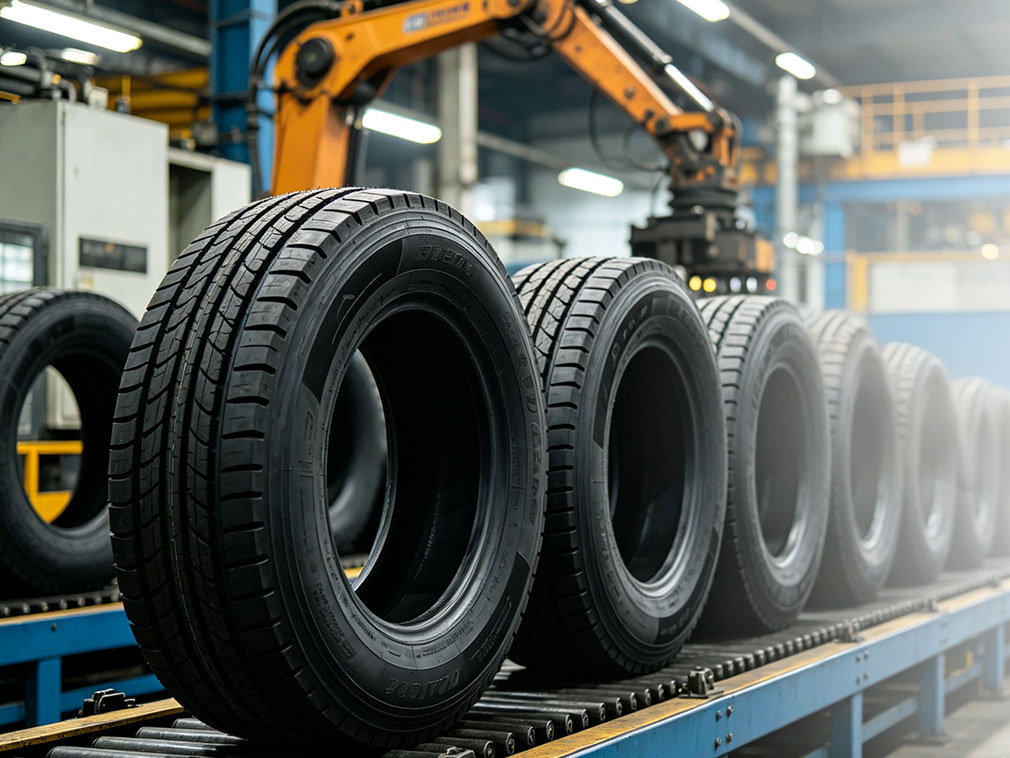
In the long run, India's unilateral protectionist tactics are unsustainable. The global tire and rubber chemical industries are deeply intertwined, with interconnected supply chains. Using high tariffs to block imports may seem like protecting domestic companies, but in reality, it systematically raises the costs of domestic manufacturing.




