
Non-Steel, Semi-Steel, and Full-Steel Tire Types
Tires are the core component of a vehicle in contact with the ground, and the material of their internal cords directly determines key performance characteristics such as load-bearing capacity, wear resistance, and comfort. Based on the different materials of the carcass and belt ply cords, tires can be divided into three categories: non-steel-belted tires, semi-steel-belted tires, and full-steel-belted tires.
These three types differ significantly in structural design, performance characteristics, and applicable scenarios, adapting to different vehicle needs and usage environments. The following explanation, based on industry trends and practical applications, will illustrate this.
Non-steel-belted tires do not use steel cords in either the carcass or belt ply. Instead, they use synthetic fibers such as nylon, polyester, and fiber as the skeleton material, making them a type of tire with more specific application scenarios.
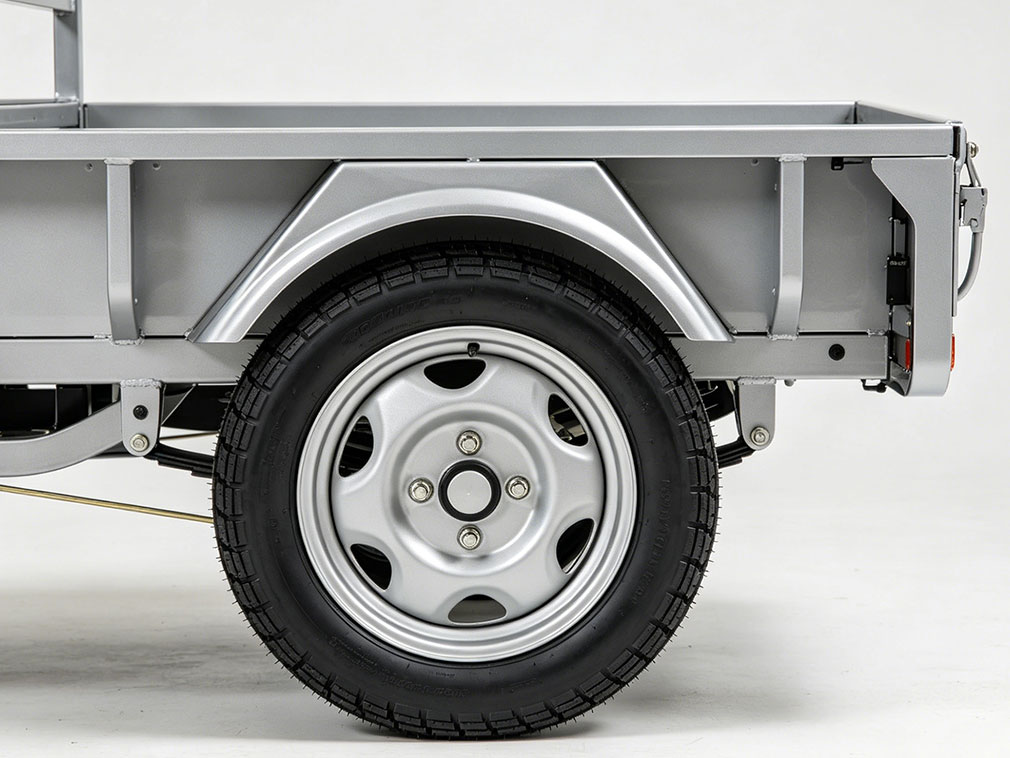
These cord materials undergo special impregnation treatment, enabling them to form a good bond with rubber and ensuring the overall structural stability of the tire. Nylon cords offer high strength and good impact resistance, polyester cords are dimensionally stable and have low shrinkage, while fiber cords help improve tire flexibility.
Non-steel-belted tires are lighter overall, have a softer carcass, lower rolling noise, offer better ride comfort, and have relatively lower manufacturing costs. It is mainly suitable for low-speed, light-load vehicles, such as small agricultural machinery, low-speed electric vehicles, and light tricycles.
These vehicles have low speeds and low load requirements, and therefore do not have high demands on tire wear resistance and load-bearing capacity; the performance of non-steel radial tires can fully meet their needs. In the civilian light-load sector, non-steel radial tires still have stable applications and align with the industry's trend towards energy conservation and emission reduction.
Semi-steel radial tires, also known as semi-steel radial tires, are characterized by a core structure where the belt layer uses steel cords, while the carcass uses nylon, polyester, or other fiber cords. This type strikes a balance between rigidity and comfort and is currently the most widely used tire variety in passenger vehicles.
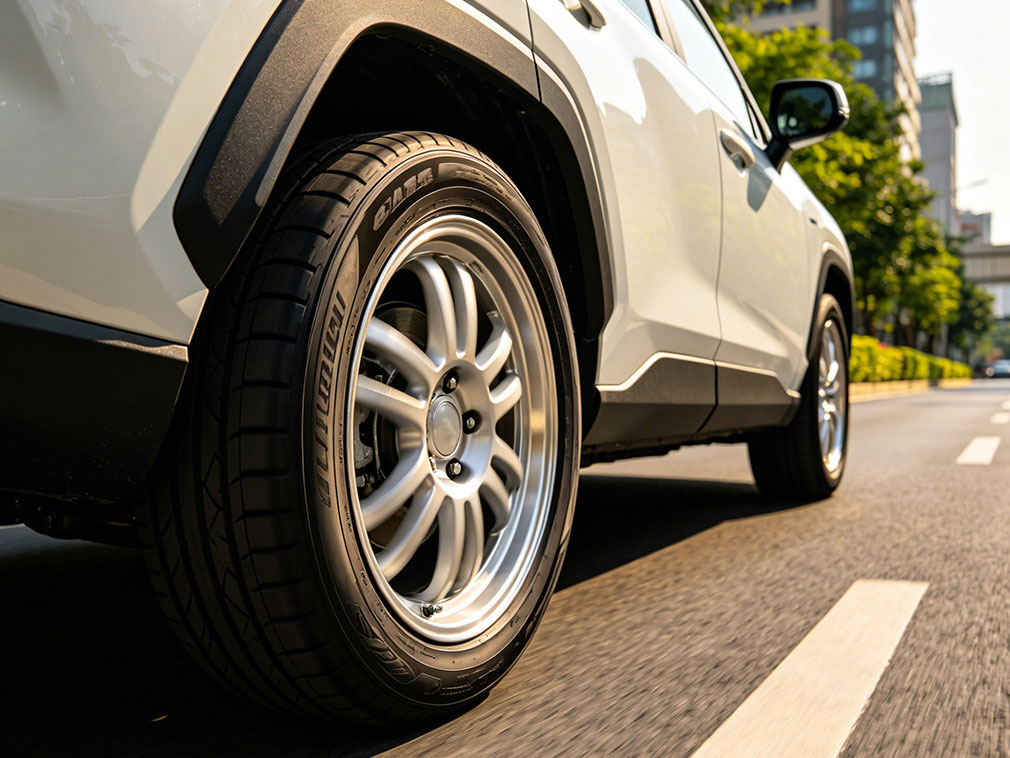
The steel cords in the belt layer undergo special twisting treatment, significantly improving tire rigidity and wear resistance, reducing tread deformation during driving, enhancing puncture resistance, and extending service life; while the fiber cords in the carcass retain good flexibility, effectively absorbing road bumps, improving ride comfort, and reducing interior noise. Relevant tests show that most passenger vehicles, including family sedans, SUVs, and MPVs, currently use semi-steel radial tires.
At a speed of 80 km/h, their interior noise is 10-15 decibels lower than that of full-steel radial tires, and braking distance is shortened by about 5%. Semi-steel radial tires usually have material markings such as "POLYESTER" on the sidewall for easy consumer identification. They are primarily suitable for urban roads, highways, and other conventional driving environments, achieving a good balance between comfort and practicality, and meeting the daily travel needs of ordinary car owners.
Full-steel radial tires, also known as all-steel radial tires, use high-strength steel cords as the skeleton material for both the carcass and belt layers, providing a double-layered reinforced structure. They are the core choice for heavy-duty, long-distance transport vehicles. Steel cords have extremely high strength, rigidity, and wear resistance, capable of withstanding enormous loads and impacts.
A single tire can carry more than 3 tons, and they also have excellent puncture resistance and fatigue resistance, making them suitable for long-term high-speed, heavy-load driving. Meanwhile, the excellent thermal conductivity of steel cords helps dissipate heat accumulated during tire operation, effectively reducing the risk of tire blowouts under high-speed, heavy-load conditions.
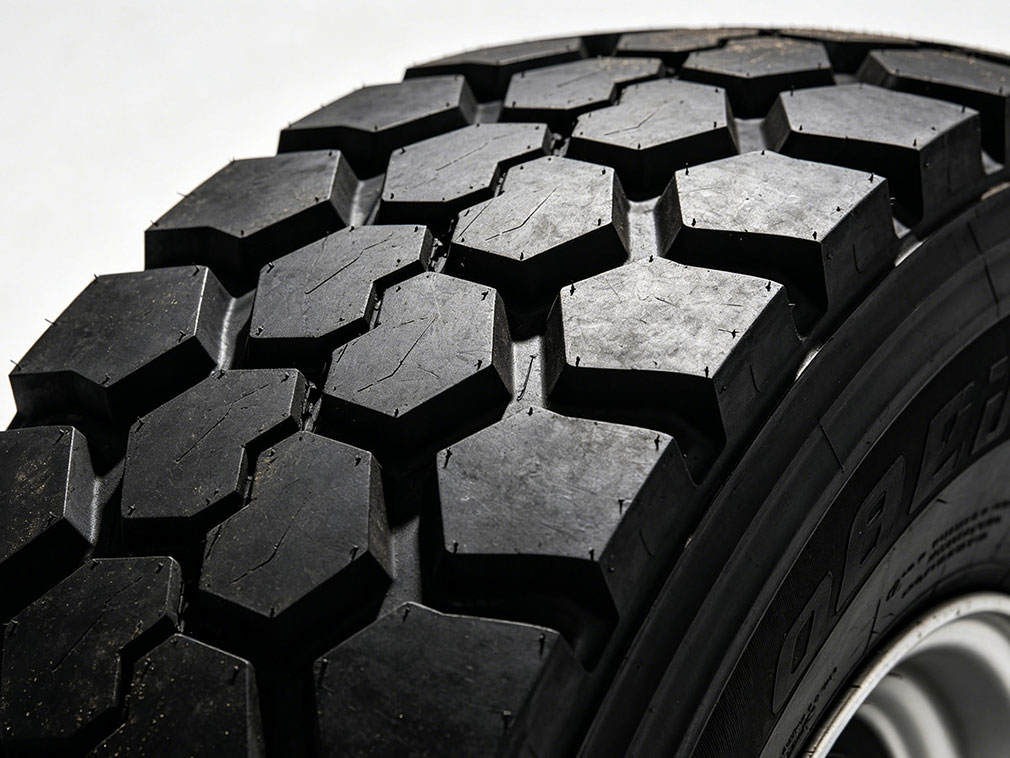
All-steel cord tires typically have markings such as "STEEL" or "ALL STEEL" on the sidewall, a deep and blocky tread pattern, and a relatively thick and heavy body. They are mainly used in medium- and heavy-duty vehicles such as trucks, buses, construction vehicles, and mining trucks, and are widely used in highway logistics, mining operations, and long-distance passenger transport.
With the development of the transportation industry, my country initiated the revision of the national standard for "Steel Cord for Radial Tires" in 2025 to further improve the performance requirements of steel cords and promote the upgrading of all-steel cord tires towards lightweight and low rolling resistance.
The core difference between the three types of tires stems from the different cord materials: non-steel cord tires emphasize lightweight and economy, suitable for light-load, low-speed scenarios; semi-steel cord tires balance comfort and durability, suitable for daily passenger vehicle use; and all-steel cord tires prioritize high strength and high load capacity, suitable for heavy-load, long-distance scenarios.
When choosing tires, it is essential to consider the vehicle type, driving environment, and load requirements to ensure driving safety, extend tire life, and reduce operating costs. Currently, all three types of tires meet relevant national industry standards and play a vital role in their respective application areas, jointly supporting the orderly operation of transportation, agricultural production, and other sectors.
-
National Day Highway Charging Hits Record: +60.4% YoY(Oct 8)8273
-
New Energy Vehicle Exports Accelerate: 3.435 Million Units in First 8 Months, Up 120% Year-on-Year(Oct 8)8891
-
Chinese Tire Exports: Volume Up But Revenue Down Nearly RMB 900 Per Ton(Oct 8)5414
-
CNH Industrial: Smart Farming, NE and Local Tech(Sep 30)5588
-
CNHTC Drives Surging NE Heavy Truck Exports(Sep 30)8507




