
Tire Mold Industry Trends: Precision, Innovation
In the upstream of the tire industry chain, molds are core equipment that determines tire precision, tread pattern, and performance. Their design level, manufacturing precision, and process level directly affect tire safety, comfort, wear resistance, and environmental performance. As a key hub connecting upstream raw materials and midstream tire manufacturing, molds provide crucial support for the high-quality development of the global tire industry.
Currently, with the automotive industry's transformation towards new energy and high-performance directions, and the continued advancement of "dual-carbon" goals, the tire mold industry is ushering in new opportunities for technological iteration and industrial upgrading, further highlighting its crucial role.
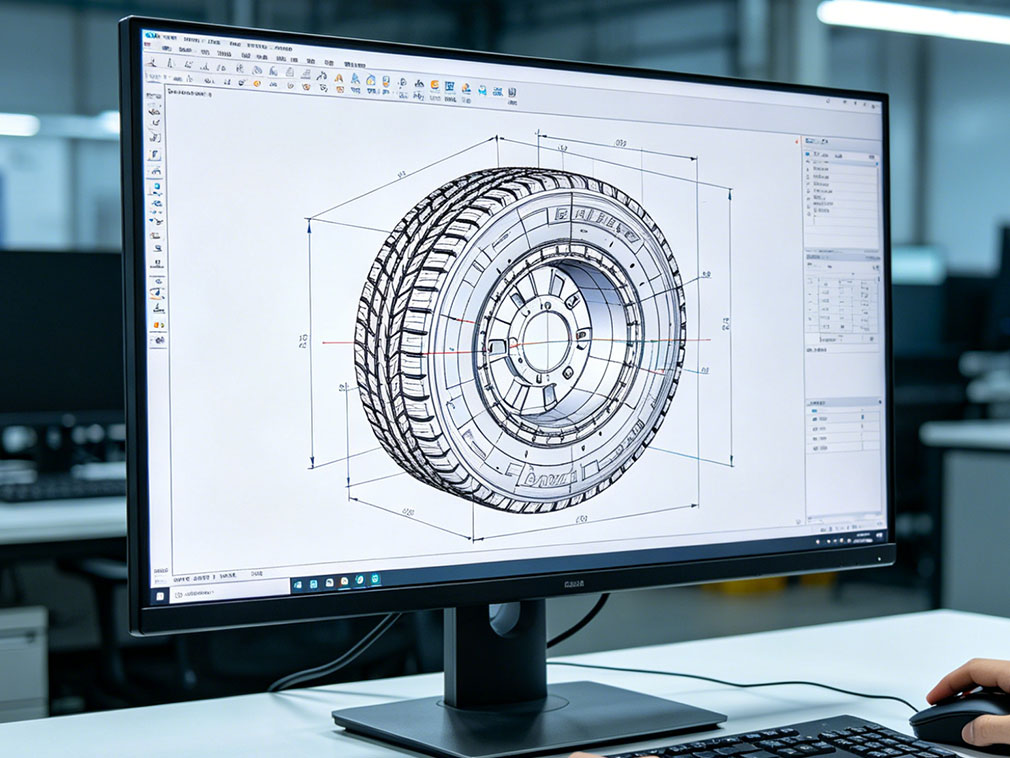
The core function of tire molds is to give tires precise shape, tread pattern, and structure. Mold precision directly determines tire assembly adaptability and driving stability. Uncured tire blanks need to be vulcanized and shaped under high temperature and pressure using molds; therefore, the dimensional accuracy of the molds must be controlled at the micrometer level.
Any deviation in tread depth, groove width, or sidewall profile can lead to abnormal tire dynamic balance, increased driving noise, and even affect grip and braking performance. Industry data shows that high-quality molds can control tire dimensional errors within ±0.04 mm, achieving a density exceeding 99.9%, effectively reducing tire defect rates to below 2%; while low-precision molds can lead to a significant decline in product qualification rates.
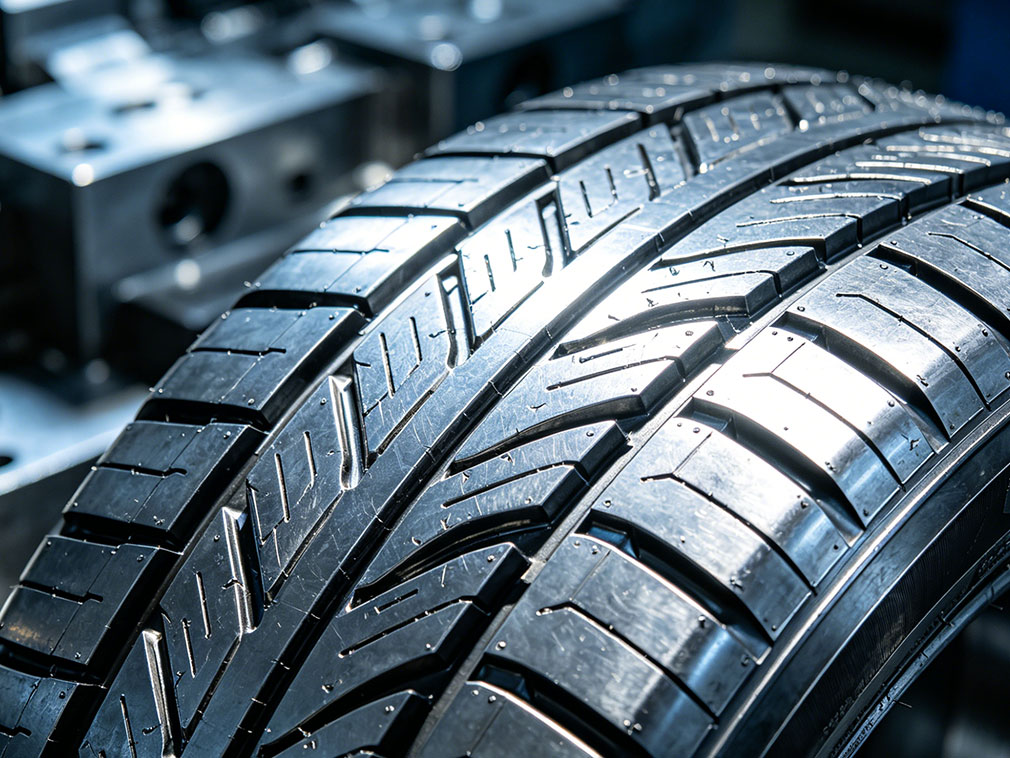
Tread pattern design is the core competitiveness of tire molds, directly related to key tire performance. Different application scenarios have significantly different tread pattern requirements: passenger car tires need to balance quietness, drainage, and grip; commercial vehicle tires emphasize wear resistance and load-bearing capacity; and new energy vehicle tires pursue low rolling resistance to improve range. Molds achieve customized tire performance through precise machining of tread grooves, slits, and other structures.
The precision of the tread pattern largely depends on the design and processing capabilities of the mold steel sheets. Traditional milling and stamping processes are difficult to achieve complex three-dimensional twisted patterns. The application of 3D printing technology has enabled the one-piece molding of complex tread pattern steel sheets, producing more than 2700 sheets at a time, significantly improving design iteration efficiency.
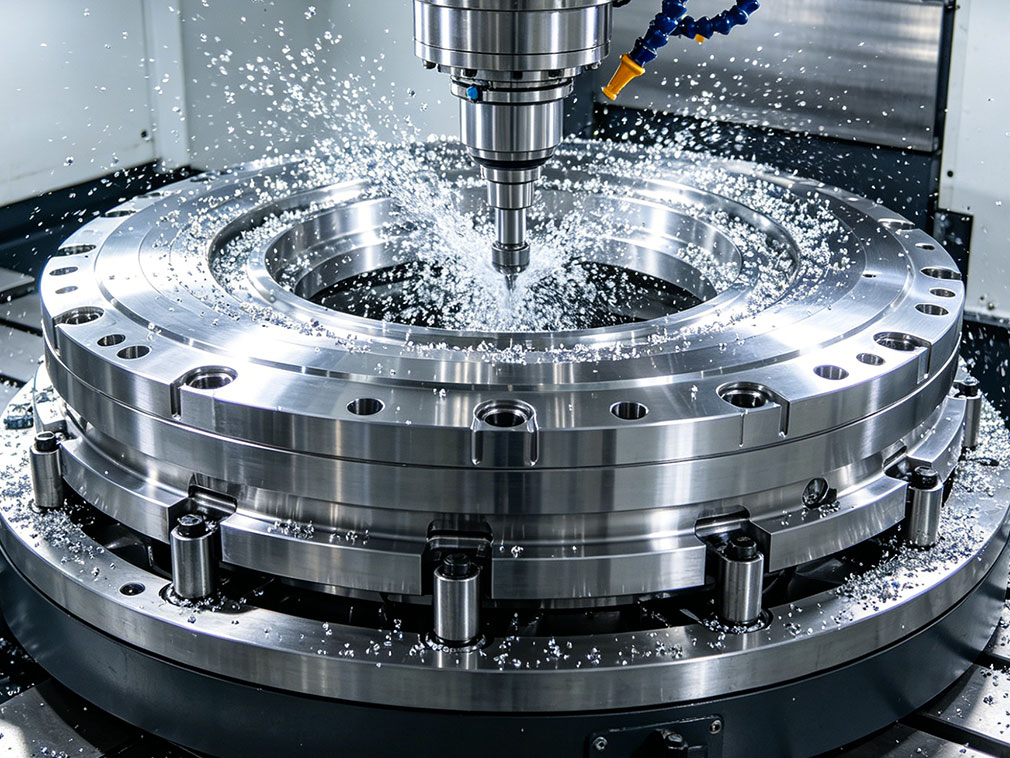
Currently, the tire mold industry is showing a development trend towards precision, intelligence, and green technology. On the technological front, advanced processes such as 3D printing, five-axis CNC machining, and laser engraving are gradually replacing traditional methods. Some companies have already achieved digital design and simulation of molds, shortening the design cycle from 15 days to less than 5 days.
On the market front, the global tire mold market was valued at US$1.64 billion in 2025 and is projected to grow to US$1.92 billion by 2035, with the Asia-Pacific region accounting for nearly 48% of the market share. As a major global tire producer, China holds a significant share of the global tire mold market, with leading companies collectively accounting for over 20% of the global market share.
Driven by green transformation and industrial upgrading, the tire mold industry is accelerating its optimization. On the one hand, companies are achieving energy conservation and emission reduction by adopting lightweight materials and improving production processes. 3D printing technology helps reduce raw material waste and lower carbon emissions.
On the other hand, the joint R&D model of "mold companies + tire companies" is becoming increasingly common, with the demand for customized molds for new energy vehicles and special tires continuing to grow, driving the mold industry towards high-end development.
Simultaneously, domestic companies are gradually reducing their reliance on high-end imported equipment, achieving technological breakthroughs in precision machining and intelligent testing, leading to a continuous expansion of mold exports. Currently, China's tire mold exports account for over 40% of its total production.
As a core link in the upstream of the tire industry chain, the technological iteration and industrial upgrading of tire molds directly drive the evolution of downstream tire products towards high performance, personalization, and green manufacturing. In the future, with the continuous progress of the automotive industry and breakthroughs in related technologies, the tire mold industry will continue to focus on precision control, process innovation, and green production, further solidifying the foundation for high-quality development of the global tire industry.
-
National Day Highway Charging Hits Record: +60.4% YoY(Oct 8)8273
-
New Energy Vehicle Exports Accelerate: 3.435 Million Units in First 8 Months, Up 120% Year-on-Year(Oct 8)8889
-
Chinese Tire Exports: Volume Up But Revenue Down Nearly RMB 900 Per Ton(Oct 8)5414
-
CNH Industrial: Smart Farming, NE and Local Tech(Sep 30)5584
-
CNHTC Drives Surging NE Heavy Truck Exports(Sep 30)8505




