
Rubber & Carbon Black Market Dynamics
Rubber price: long-short game under weak fluctuations
On July 16, 2025, the closing price of the main contract of natural rubber futures was 14,500 yuan/ton, up 80 yuan from the previous day, showing a slight rebound trend. However, the overall market is still in a weak and volatile pattern, and short-term fluctuations are mainly affected by the following factors:

Supply-side pressure continues
The main producing areas in Southeast Asia have fully entered the seasonal production increase cycle. The number of days for rubber tree tapping in Thailand, Indonesia and other countries has increased by 15 days year-on-year, and the supply of raw materials is sufficient.
Although some parts of Thailand have recently encountered heavy rains, which have pushed up the purchase price of rubber in the short term, the overall phenological conditions in the production area are stable, and the rhythm of new rubber has not been significantly affected.
The rubber inventory in Qingdao Free Trade Zone fell by 18% year-on-year, but the scale of hidden inventory (such as financing rubber) is huge, and the actual supply pressure still exists.
The weak demand side is difficult to change
The operating rate of the tire industry remains low, with the operating rates of full-steel tires and semi-steel tires being 55% and 60% respectively, down about 5 percentage points year-on-year. The trend of lightweighting of new energy vehicles has led to a 15%-20% reduction in rubber consumption per vehicle, and the replacement rate of synthetic rubber has increased, further suppressing the demand for natural rubber.
In addition, the Trump administration's policy expectation of imposing a 35% tariff on Chinese tires has led to the transfer of export orders to Southeast Asia. The proportion of overseas production capacity of Chinese tire companies has increased to 30%, but the growth of domestic demand is weak.
Cost support and policy disturbances
The price of synthetic rubber is significantly affected by crude oil fluctuations. During the Asian session on July 16, the price of US crude oil rose slightly to US$66.9 per barrel, as the reduction of API inventory and the increase in crude oil processing in Asia provided short-term support, but after the threat of the United States to impose tariffs on Russian oil purchases eased, oil prices gave up some of the gains.
Butadiene prices are strong due to equipment maintenance and limited arrival of cargo, which supports the cost of synthetic rubber. In addition, China's zero tariff policy and the implementation of the EU EUDR Act have reshaped the global tire demand assessment system, and the overseas market is facing structural adjustments.
Carbon black price: double squeeze of cost collapse and shrinking demand
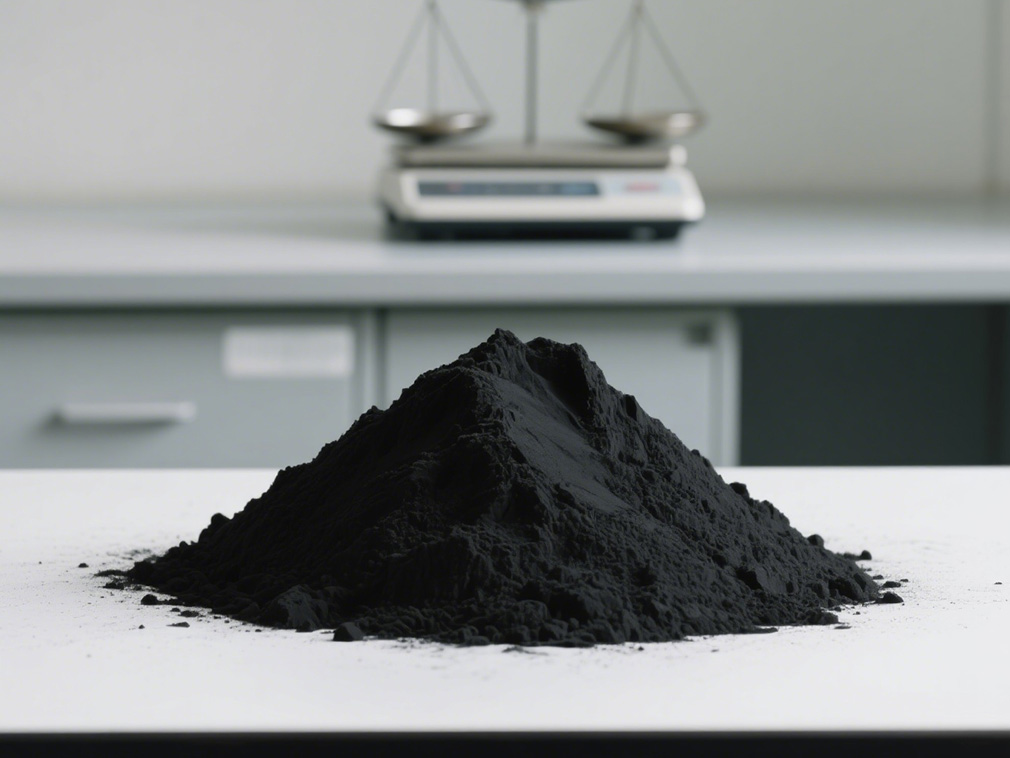
On July 16, the domestic carbon black market was weak and stable, with the mainstream price of N330 at 7700-8500 yuan/ton, down 16.05% from the same period last year, and the industry has always been on the edge of profit and loss. The core reasons for the low prices include:
The cost of raw materials has fallen sharply
The price of high-temperature coal tar has continued to fall, with a general decline of 210-260 yuan/ton this week, and more than 300 yuan/ton in some areas. The correction of crude oil prices has led to a simultaneous decline in the prices of petrochemical raw materials (such as ethylene tar), and the support for carbon black production costs has weakened. Although there is an expectation of price support for coal tar, downstream deep processing companies are suffering from severe losses and have limited acceptance of high-priced raw materials.
Tire demand continues to be sluggish
The operating rate of the tire industry is running at a low level, and the enthusiasm for receiving carbon black is relatively low. Due to the shrinking logistics industry and the popularization of self-driving trucks, the growth rate of demand for all-steel tires has turned negative; the purchase volume of semi-steel tires has decreased by 10% year-on-year due to the weak sales of passenger cars.
In addition, tire companies have high inventories, and the inventory cycle of all-steel tires has reached 42 days, further suppressing the willingness to purchase raw materials.
Industry overcapacity and environmental pressure
In the first half of 2025, the carbon black industry will add more than 400,000 tons of new production capacity, and the contradiction between supply and demand will intensify.
The tightening of environmental protection policies has led to the withdrawal of some small and medium-sized production capacities, but the expansion plans of leading companies are still being promoted.
While the industry concentration has increased, the overall supply pressure has not been fundamentally alleviated. The EU carbon tariff and China's "dual carbon" goals require tire companies to reduce carbon emissions throughout their life cycle, and carbon black production needs to adopt cleaner processes, further pushing up costs.
Medium- and long-term structural factors affecting prices
Global economic and trade environment
The global economic growth is weak, Europe and the United States have increased their "double anti-dumping" measures on Chinese tires, and the Trump administration's policy expectations of imposing a 35% tariff on Chinese tires have led to the transfer of export orders to Southeast Asia, but Vietnam and Thailand have insufficient local rubber production capacity, and the reconstruction of the supply chain lags behind the upgrading of trade barriers.
In addition, the EU carbon tariff and the US "reciprocal tariff" policy require tire companies to provide proof of carbon footprint throughout their life cycle, forcing the green transformation of the industrial chain.
Technology substitution and material innovation
The industrialization process of bio-based rubber is accelerating. Shandong Jingbo Zhongju's 10,000-ton non-grain bio-based rubber project has been put into production, using corn cobs as raw materials, reducing carbon emissions by 1.4 tons/ton, and the bio-based carbon content reaches 20%-100%.
Huaqin Group launched tires with 55% bio-based materials, and Linglong Tire has developed products with 79% bio-based materials. It is expected that the proportion of bio-based materials will exceed 80% in 2030. Although the cost is 3 times higher than that of traditional rubber, the high-end market demand is strong, and some products are in short supply.
Financial attributes and market sentiment
The volatility of the price difference between Shanghai rubber and Singapore TSR20 has dropped from 12% to 4%, the scale of cross-market arbitrage funds has shrunk by 62%, and the deterioration of market depth has exacerbated price fragility. Non-commercial net long positions in the futures market hit a new low since 2016, investors' risk appetite declined, and price fluctuations were more dominated by fundamentals.
Rubber market
In the short term, weather disturbances in Thailand and crude oil rebound may push rubber prices to fluctuate in the range of 13,800-14,200 yuan, but after the peak of Southeast Asian production in late July, prices may fall to the support level of 13,500 yuan. In the medium and long term, attention should be paid to the implementation of Trump's tariff policy. If the 35% tariff is imposed, China's tire export share will be further squeezed by Southeast Asia, and the demand for natural rubber may be revised down by 5%-8%.
Carbon black market
The price of raw material coal tar fluctuated weakly, and there was no significant improvement in tire demand. It is expected that carbon black prices will continue to fall, and the mainstream price of N330 may fall to 7,500 yuan/ton. Industry integration is accelerating, and small and medium-sized enterprises are facing elimination pressure. Leading enterprises have improved their competitiveness by deploying overseas production capacity and green processes (such as natural gas replacing coal tar).
Rubber industry chain
Upstream: Rubber farmers need to optimize the planting structure, explore the intercropping model of rubber and cash crops, and reduce the risk of a single variety.
Midstream: Tire companies should accelerate the layout of overseas production capacity, and tariff-exempt regions such as Mexico and Serbia have become investment hotspots.
Downstream: Automakers can increase the proportion of bio-based tire purchases to meet the EU carbon tariff and green supply chain requirements.

Carbon black industry chain
Raw material end: Promote the integration of coal tar deep processing, increase the added value of by-products, and hedge the risk of falling prices of main products.
Production end: Use dry quenching, waste heat power generation and other technologies to reduce energy consumption, and apply for green factory certification to obtain policy support.
Application end: Develop highly dispersed carbon black and white carbon black composite fillers to meet the performance requirements of low rolling resistance and high wear resistance of new energy tires.




