
Tire Industry Shift
The strategic divergence among global tire giants stems from the combined pressures of market, cost, and technology, and is an inevitable result of industry development. Among these, the structural changes in market demand are particularly crucial. With the advancement of electrification and carbon neutrality, the market penetration rate of new energy vehicles is expected to exceed 50% by 2025.
Tire demand is shifting from "wear-resistant components" to "performance systems," with requirements for low rolling resistance and quiet operation driving leading technology companies to extend into high-value-added areas.
The physical differences between new energy vehicles and traditional gasoline vehicles determine a fundamental shift in tire demand. Electric vehicles, due to their flat battery pack layout, are 20% to 30% heavier than comparable gasoline vehicles. Furthermore, the instantaneous torque output of electric motors is extremely strong, making traditional tires prone to problems such as rapid wear, excessive tire noise, and reduced driving range.
Against this backdrop, giants like Michelin and Bridgestone have shifted their R&D focus to tires specifically designed for new energy vehicles. They are employing high-grip silicon-based composite materials and noise-reducing technology, optimizing tread patterns and structural designs to balance low rolling resistance and safety. Meanwhile, some companies lacking sufficient technological reserves are forced to stick to the low-to-mid-range gasoline vehicle tire market, creating a clear differentiation.
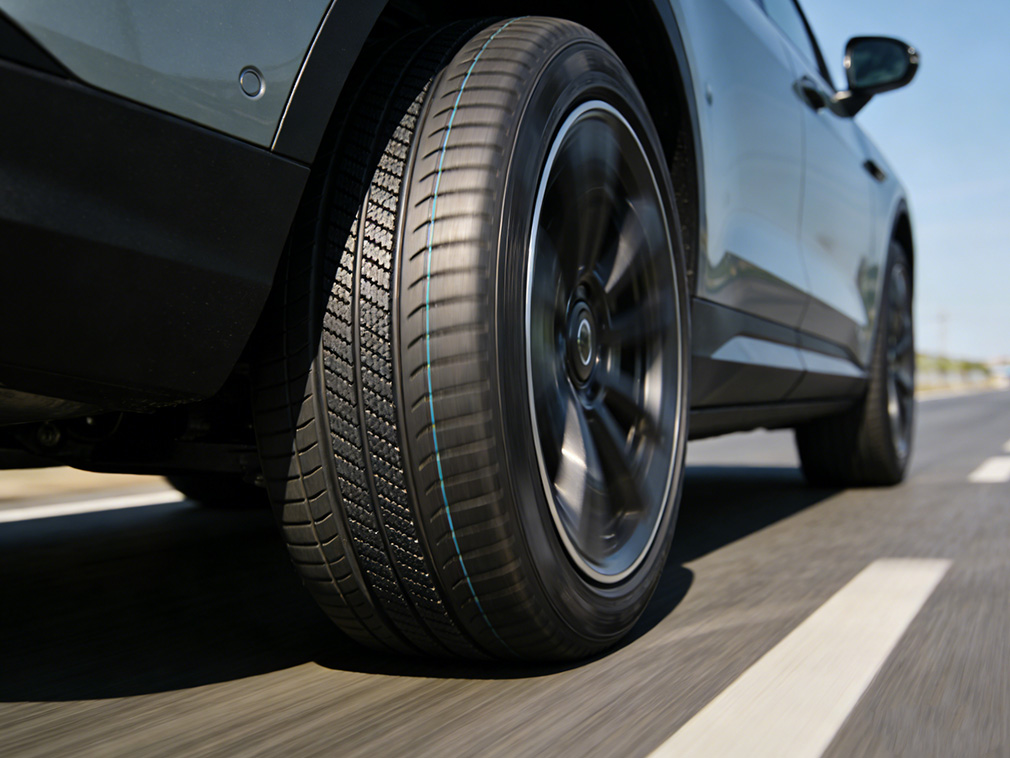
Simultaneously, the rise of the replacement tire market further exacerbates this differentiation. New energy vehicles sold between 2020 and 2025 are gradually entering their maintenance cycle, leading to a surge in demand for professional replacement tires. This forces companies to improve their channel layout and service capabilities, allowing those with technological and channel advantages to seize the initiative.
Secondly, there is the pressure of raw material costs. From 2022 to 2025, the price of natural rubber fluctuated by 43%, while the cost of synthetic rubber increased by 27%. This continuous cost fluctuation and increase forces companies to reassess the profitability of their business portfolios, becoming a significant driver of strategic differentiation.
The fluctuations in natural rubber prices stem from a structural contraction on the supply side. Rubber trees in major Southeast Asian producing countries are aging, new planting areas are shrinking, and labor costs are soaring.
In Hainan, the daily wage for rubber tappers has increased 3-5 times in the past decade, driving up the overall cost of natural rubber. Synthetic rubber, on the other hand, is affected by crude oil prices and changes in butadiene supply and demand. After a precipitous drop in the first half of 2025, prices have fluctuated, with pricing logic shifting from single-cost pricing to a combination of cost and supply and demand.
Faced with raw material pressures, different companies have adopted significantly different strategies, leading to strategic divergence. Giants like Bridgestone and Michelin have chosen to "slim down" and focus, selling non-core assets, closing inefficient factories, and divesting low-profit, low-end production capacity to concentrate resources on high-value-added areas such as high-end new energy tires, thus alleviating cost pressures.
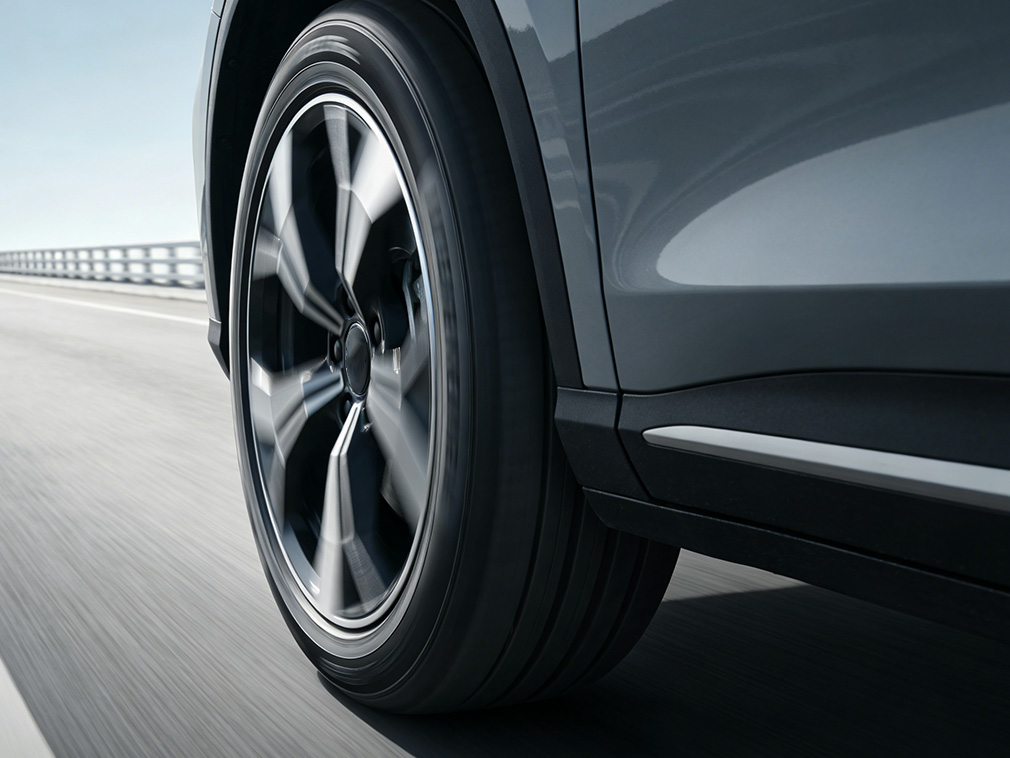
Meanwhile, Chinese companies such as Zhongce Rubber and Sailun Tire have expanded against the trend by establishing a complete industrial chain, building factories globally, optimizing procurement models and inventory management, signing long-term procurement agreements to mitigate raw material volatility risks, and expanding high-performance tire production capacity.
Furthermore, the upgrading of environmental regulations has further amplified the divergence. The EU's EUDR law and upgraded tire labeling laws in various countries have incorporated rolling resistance and microplastic emissions into their regulations.
Leading technology companies are meeting compliance requirements through material innovation, while small and medium-sized enterprises (SMEs) are at a disadvantage due to insufficient R&D investment.
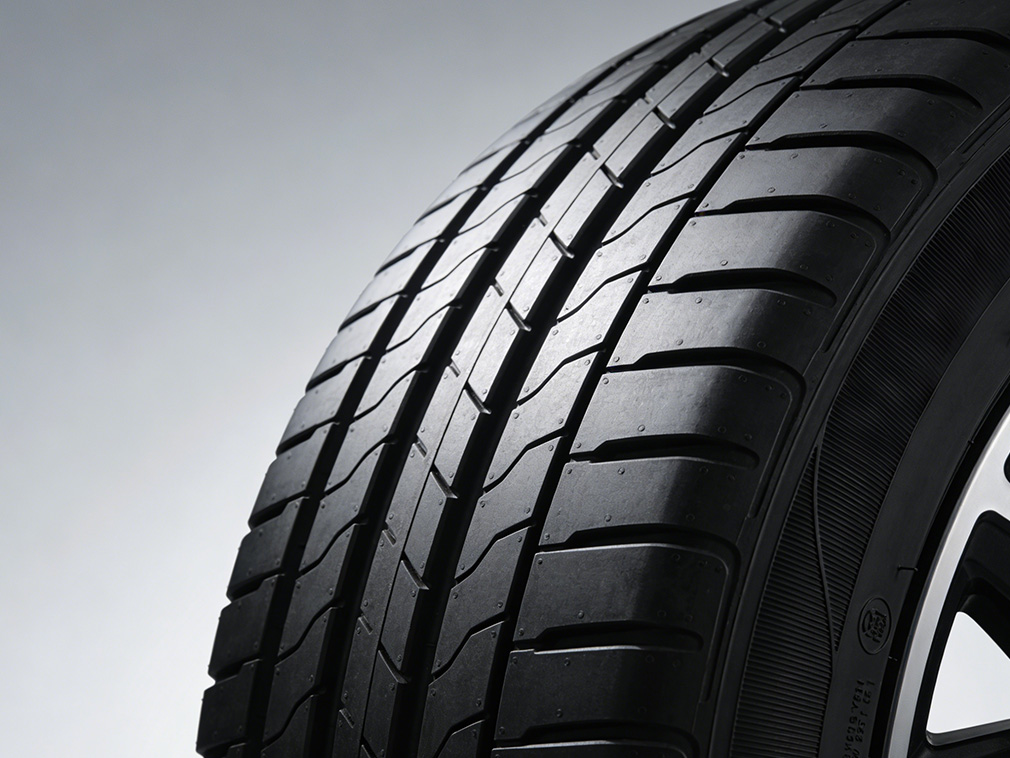
The structural upgrading of market demand is forcing companies to transform towards technology-intensive models. The continuous fluctuation of raw material costs is testing companies' cost control capabilities. Coupled with the impact of environmental policies and global competition, the strategic divergence among global tire giants is becoming increasingly apparent.
This divergence is not only a result of companies' own strategic choices, but also an inevitable trend in the industry's development towards high quality, green practices, and intelligent manufacturing. In the future, only companies that accurately grasp changes in demand, strengthen technological innovation, and optimize cost management will be able to gain a competitive advantage in the fierce market.
-
National Day Highway Charging Hits Record: +60.4% YoY(Oct 8)8273
-
New Energy Vehicle Exports Accelerate: 3.435 Million Units in First 8 Months, Up 120% Year-on-Year(Oct 8)8891
-
Chinese Tire Exports: Volume Up But Revenue Down Nearly RMB 900 Per Ton(Oct 8)5414
-
CNH Industrial: Smart Farming, NE and Local Tech(Sep 30)5588
-
CNHTC Drives Surging NE Heavy Truck Exports(Sep 30)8507




