When to Replace Snow Tires: Safety Guide
Snow tires are designed for low-temperature environments, and their soft rubber maintains flexibility in winter to enhance grip. However, as spring temperatures rise, this soft rubber ages faster, wearing down up to 2.5 times faster than usual, causing a sharp drop in grip and posing a safety hazard. Therefore, timely replacement with all-season tires is paramount for spring travel.
As spring arrives and temperatures gradually rise, when the average daily temperature in most areas remains above 7°C for three consecutive days, it's time to retire snow tires. The core advantage of snow tires lies in their performance in low-temperature environments: their rubber compound contains more flexible polymers, typically with a Shore A hardness between 50 and 55, maintaining rubber activity in temperatures ranging from -20°C to 0°C, preventing hardening and loss of grip; combined with deep grooves and sipes in the tread, they firmly adhere to icy and snowy surfaces, reducing the risk of slippage and providing a solid safety barrier for winter driving.
However, when temperatures exceed 7°C, the soft rubber of snow tires softens excessively, turning their original advantage into a hazard. According to professional tests, snow tires wear 2.5 times faster than normal under these conditions, with tread wear per 1000 kilometers far exceeding that of all-season tires. Prolonged use not only rapidly depletes tread depth but can also lead to tire structural deformation due to excessive rubber softening, shortening tire lifespan.
More alarmingly, softened rubber reduces lateral support, potentially causing steering wheel instability and sluggish handling response at high speeds, and significantly decreasing stability during cornering, posing a major threat to driving safety.
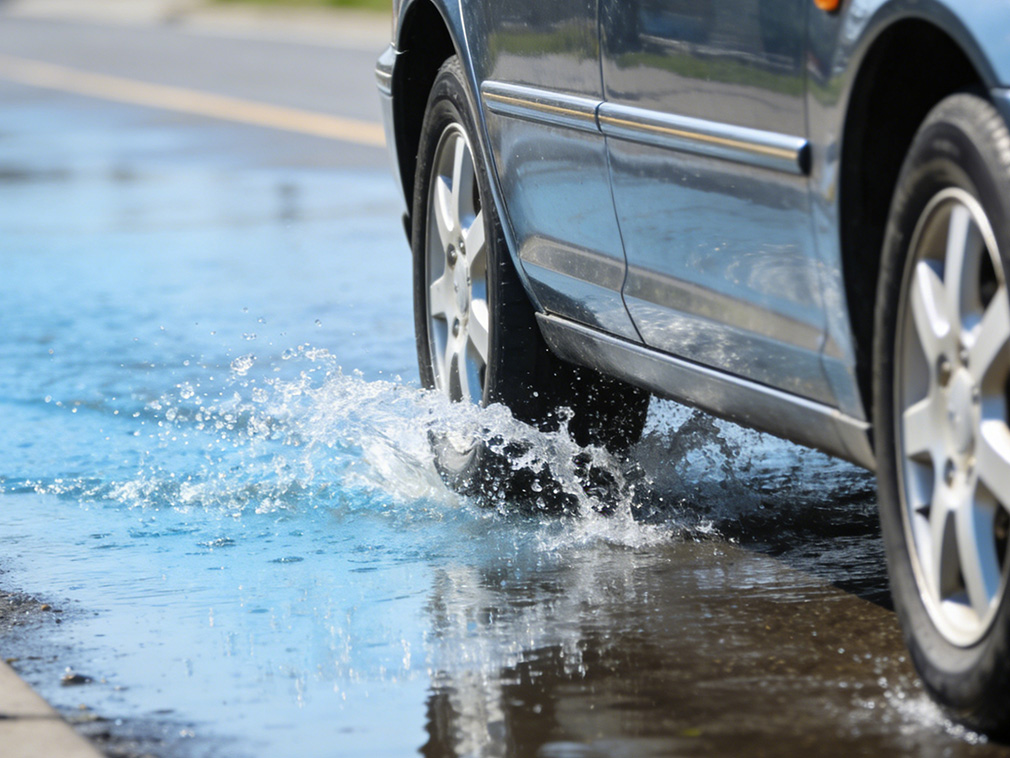
Increased rainfall in spring exacerbates road slipperiness, further amplifying the safety hazards of snow tires. The open tread design of snow tires is primarily designed for icy and snowy roads; in wet conditions, they easily accumulate water, resulting in significantly lower drainage efficiency than all-season tires and a greater likelihood of hydroplaning.
During emergency braking, their braking distance is 15%–20% longer than all-season tires, with the difference becoming more pronounced in rainy weather, potentially increasing by 5–8 meters. This makes rapid braking in sudden situations difficult and greatly increases the risk of traffic accidents. Furthermore, in spring, road surface temperatures rise, and snow tires have 30% lower heat dissipation efficiency than all-season tires. Excessive tire temperature accelerates rubber aging and even increases the risk of tire blowouts.
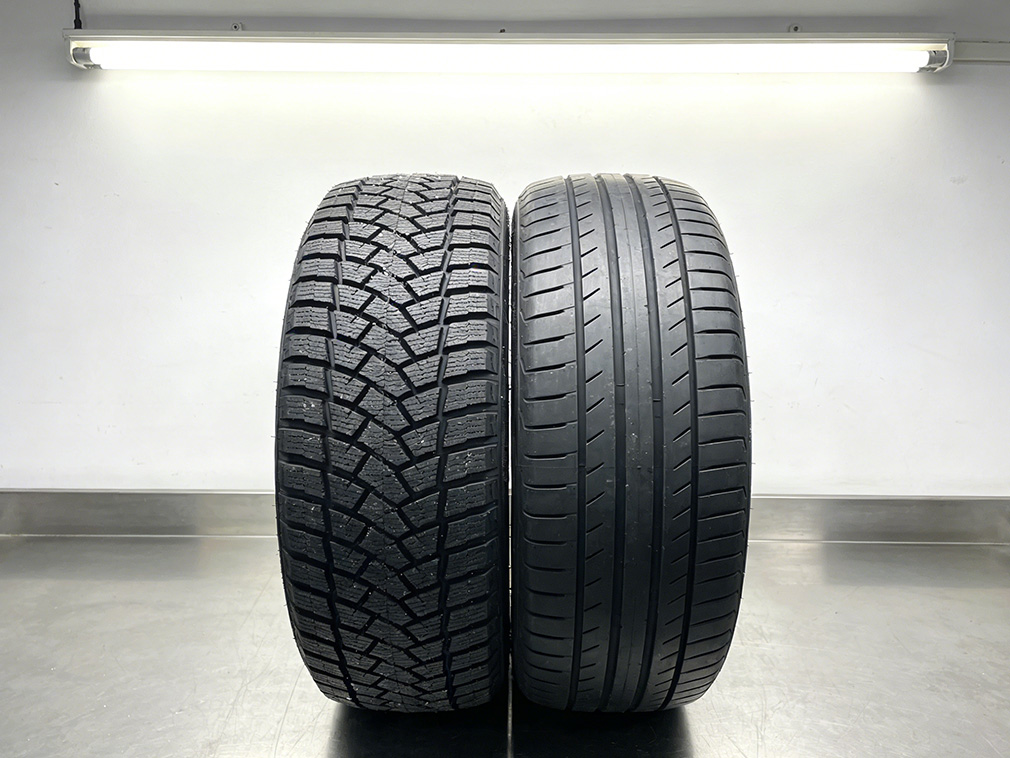
In contrast, all-season tires use a silica-containing composite rubber compound with a hardness between 60 and 65, and are suitable for temperatures ranging from -20°C to 40°C, meeting performance requirements in both high and low temperature environments. Their tread design is more comprehensive; the dense woven pattern effectively cuts through water films, quickly drains road surface water, and avoids the risk of slipping, while also providing dry grip and wear resistance.
They can handle the rainy and temperature-changing road conditions of spring and meet the driving needs of different seasons throughout the year, eliminating the need for frequent replacements and balancing safety and economy.
Many car owners are "lazy" and believe that snow tires can be used until summer, which is actually counterproductive. Not only will accelerated wear increase tire replacement costs, but it also creates safety hazards. The correct approach is to replace tires with all-season tires when the average daily temperature remains above 7°C for three consecutive days, with no significant temperature drops or snowfall warnings. When replacing tires, choose tires that match the original size and speed rating of your vehicle.
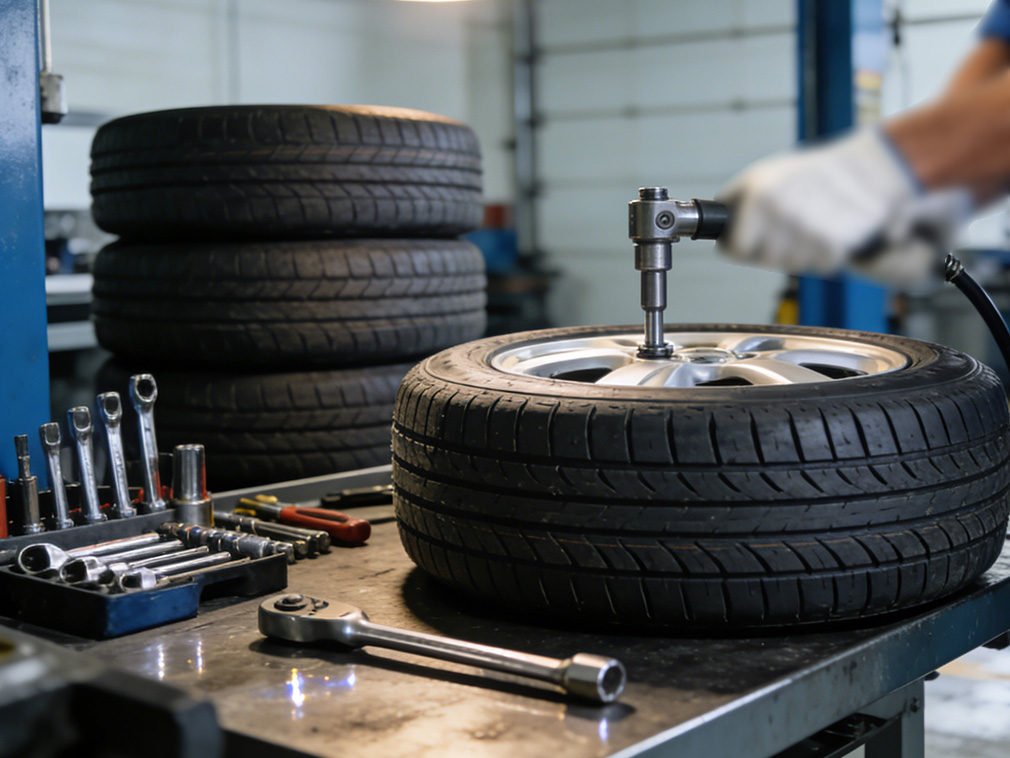
It is recommended to have this done at a professional repair shop. After replacement, perform dynamic balancing to ensure a smooth ride. Also, check the tire pressure and adjust it to the vehicle's recommended level.
Spring travel prioritizes safety. Snow tires silently protect our driving safety in winter. As spring temperatures rise, timely replacement with all-season tires is essential to adapt to changing road conditions and avoid safety hazards.
Developing a habit of seasonal tire replacement not only extends tire life and reduces operating costs but also builds a strong safety barrier for every spring journey, allowing us to comfortably enjoy the beauty of spring travel.