
Why Branded Quiet Tires Are Safer
The surge in popularity of sound-dampening cotton in recent years is largely due to the rapid adoption of new energy vehicles. To achieve a quieter and more comfortable driving experience, more and more new energy tires are focusing their research and development on sound-dampening cotton technology.
This trend has also spurred another phenomenon: many small tire shops are using the "sound-dampening cotton" label to heavily modify ordinary tires. Some shops even purchase large quantities of sound-dampening cotton and "customize" so-called quiet tires using self-adhesive methods.
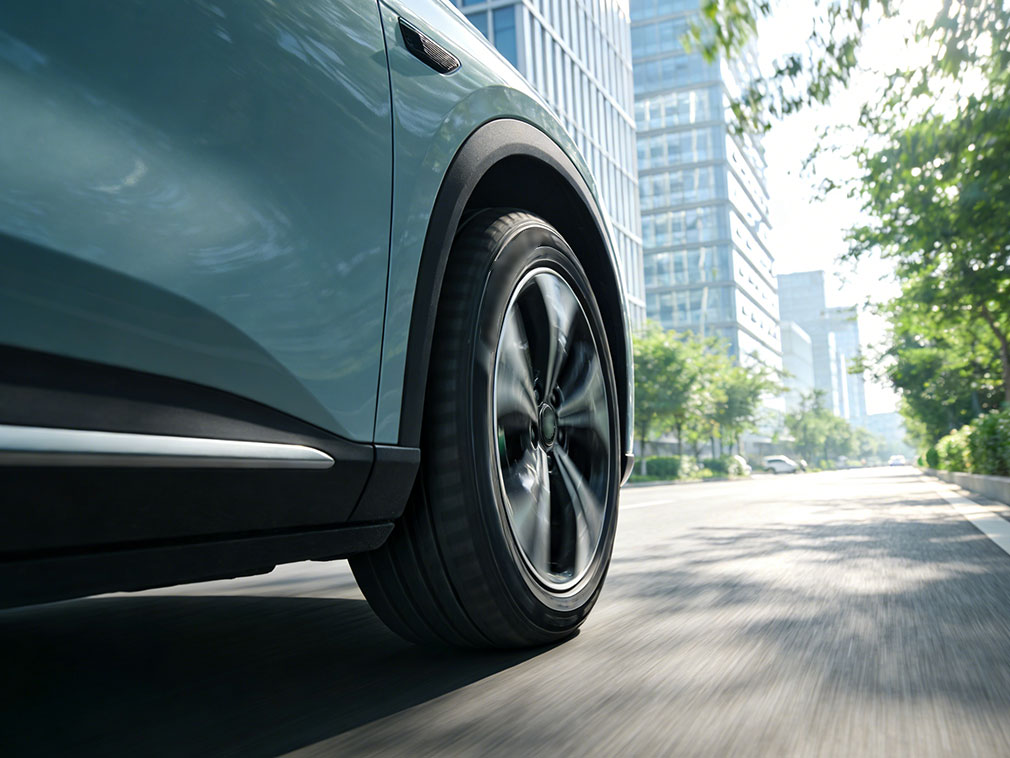
However, it's important to be wary. Adding sound-dampening cotton to ordinary tires doesn't significantly reduce noise. More importantly, ordinary sound-dampening cotton from non-reputable manufacturers is often not heat-resistant—the internal temperature of a tire rises significantly during rolling, and this material may spontaneously combust due to high temperatures, posing a serious safety hazard.
Even more alarming is that these non-reputable sound-dampening cotton installations are mostly glued on with ordinary adhesive, lacking professional processing techniques, and are prone to falling off during long-term driving. Once detached, the sound-dampening cotton may become entangled in the wheel rim, causing vehicle vibration and further increasing driving risks.
Industry experts point out that the material, thickness, and application process of the sound-absorbing foam in legitimate silent tires undergo rigorous calculations to ensure it matches the tire's structural characteristics. The "customized" operations of small roadside shops not only fail to achieve effective noise reduction but also disrupt the tire's original stress balance, shortening its lifespan.
With the continuous rise in the number of new energy vehicles, data from the China Automotive Technology and Research Center (CATARC) shows that over 68% of electric vehicle consumers consider "in-car quietness" a core factor in their purchase decisions. This increasing demand for quietness has created opportunities for unscrupulous businesses.
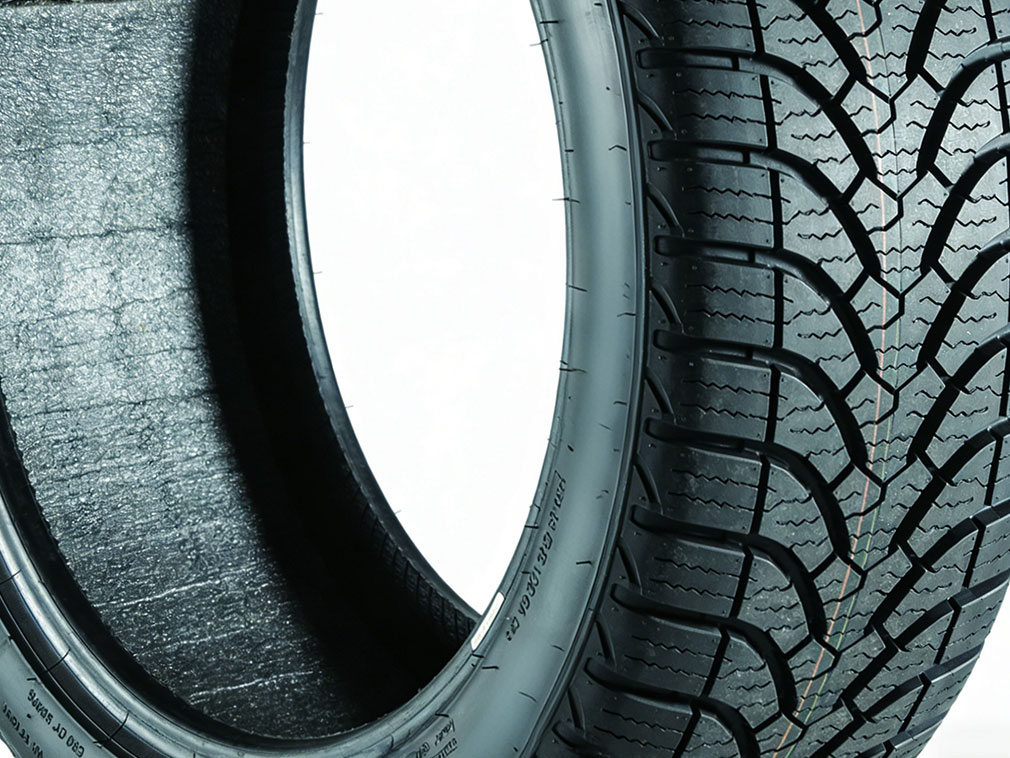
In fact, making tires quieter is not simply a matter of applying a layer of foam. Better noise reduction performance requires a synergistic approach from multiple aspects, including tire structure, tread pattern, compound, and noise reduction technology. Simply adding sound-absorbing foam is only a temporary solution.
As leading brands in the tire industry, Michelin and Bridgestone have, through years of technological accumulation, developed unique, comprehensive noise reduction methods. Their core technologies have become industry benchmarks, standing in stark contrast to the "pseudo-quiet" operations of small roadside shops.
Michelin's quietness advantage stems from a multi-dimensional technological synergy. It uses soft rubber raw materials combined with an advanced composite formula to reduce noise generation at its source. Soft rubber has excellent shock absorption properties, cushioning the impact of road debris on the tire tread and reducing vibration noise transmission; special components in the composite formula enhance the rubber's flexibility, reducing rigid impact noise during tire rolling.
Simultaneously, Michelin's innovative second-generation quiet rib design suppresses irregular deformation of the tread blocks under pressure, reducing the "humming" sound generated by friction. Its Primacy series is a prime example of quietness—the Primacy 4 ST uses EvenPeak technology, employing differentiated tread pattern design to disperse sound energy across multiple frequency bands, avoiding concentration in the 200-800Hz range most sensitive to the human ear.
Official tests show that its interior noise level is 3 decibels lower than its predecessor when driving at a constant speed of 60km/h. Furthermore, Michelin's Acoustic noise reduction technology uses a special polyurethane foam on the inside of the tire to effectively eliminate "cavity noise" caused by changes in tire internal pressure, achieving a stable output of quietness.
Bridgestone, on the other hand, achieves a balance between quietness and overall performance through targeted technological innovation. Its flagship products, such as the TURANZA® 6, feature B-SILENT noise reduction foam technology.
With the help of sound-absorbing foam attached to the inside of the tire, it effectively suppresses cavity resonance noise during driving, improving quietness by approximately 4% compared to ordinary tires. At the same time, this series of tires features a new tread pattern design, combined with S-shaped grooves and gap mufflers, further optimizing vibration noise and pipe resonance.
Combined with ENLITEN lightweight technology, it increases the contact patch, allowing for more even pressure distribution, buffering road vibrations while also ensuring wet grip and wear resistance. Recently, Bridgestone's TURANZA® 6 tires have been officially fitted to the GAC Toyota Platinum 7 EV sedan. Working in conjunction with the vehicle's own sound insulation system, they maintain a low level of interior noise at a cruising speed of 100km/h, fully meeting the quietness requirements of new energy vehicles.
Whether it's Michelin's multi-technology approach or Bridgestone's scenario-specific adaptation, both demonstrate the core logic of high-quality quiet tires—suppressing noise at its source and blocking noise transmission, rather than relying solely on sound-absorbing cotton.
For consumers, pursuing a quiet experience is understandable, but it's crucial to be wary of the "pseudo-quiet" traps offered by small roadside shops. Choosing genuine quiet tires from reputable brands is essential to ensuring driving safety and truly enjoying a tranquil driving experience.
-
Foreign Media Visits Yimin Open-Pit Mine: 100 Autonomous 90-Ton Trucks in Operation(Oct 9)8222
-
IRSG: Natural Rubber Prices Hit Multi-Year Highs, Short-Term Correction Pressure Expected(Oct 9)8615
-
Used Car Exports Enter a Trust-Based Phase: Over 450,000 Units in First 8 Months(Oct 9)5384
-
National Day Highway Charging Hits Record: +60.4% YoY(Oct 8)8283
-
New Energy Vehicle Exports Accelerate: 3.435 Million Units in First 8 Months, Up 120% Year-on-Year(Oct 8)8905




