
Tire Lifespan, Warranty & Safety Guide
As the only part of a vehicle in contact with the ground, tires' lifespan and safety condition directly affect driving safety, making them a topic of great concern for every car owner. In daily driving, people often worry about how many years tires can last, the warranty period, whether older tires are still covered by after-sales service, and whether stored tires will affect their use. Based on safety tips seen at tire shops recently and industry-standard guidelines, we've compiled some practical information on tire use to help clarify doubts and ensure safe driving.
I. Reasonable Tire Lifespan: Longer Isn't Always Better
Many car owners mistakenly believe that tires can be used indefinitely as long as the tread isn't completely worn down, ignoring the natural aging characteristics of rubber. Tires are primarily made of rubber, and even with long periods of parking and minimal mileage, they will oxidize and harden over time, leading to fine lines on the sidewalls, decreased elasticity, and a significant reduction in safety performance.
According to industry standards and recommendations from major tire brands, the lifespan of tires for passenger cars and light trucks should not exceed 5 years, and should not exceed 6 years at most. This period is calculated from the tire's manufacturing date, not the purchase or installation date. In terms of mileage, under normal urban commuting conditions, ordinary tires reach the critical replacement threshold after 60,000-80,000 kilometers.
If you frequently drive on highways or in poor road conditions, or if you are driving a new energy vehicle (heavier and with higher torque), the wear rate will be faster, and the replacement cycle should be shortened accordingly.
Once tires have been used for more than 6 years, even if the tread is intact and the mileage is low, it is recommended to replace them promptly to avoid safety hazards such as tire blowouts and reduced grip due to aging.
II. Tire Warranty Rules, Q&A on Old Tires and Inventory Tires
Regarding tire warranties, many car owners believe that they lose their warranty eligibility after a few years of use. However, different brands have different warranty policies. Taking Michelin passenger car and light truck tires as an example, their warranty policy does not limit the usage time; the core basis is whether there is a quality problem with the tire itself, and the claim standards are higher than the "Technical Specifications for Tire Claims" issued by the Ministry of Commerce.
If, after professional assessment, it is confirmed that the problem is due to material or workmanship quality, compensation will be proportional to the degree of tread wear, rather than simply based on the number of years of use.
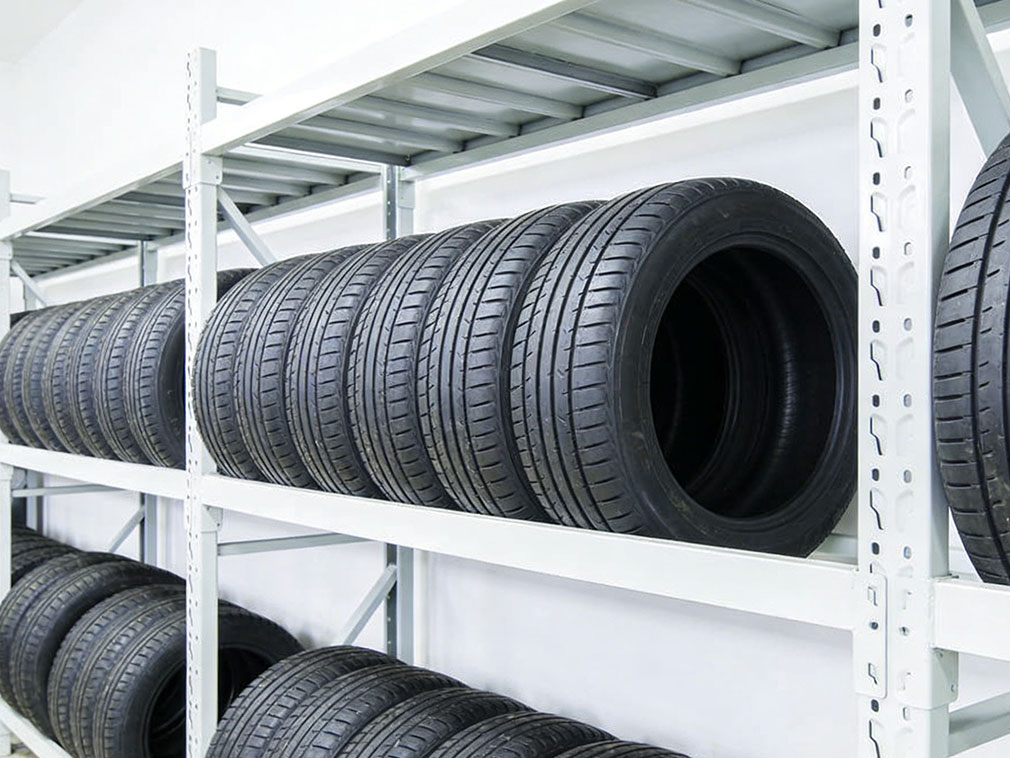
Some car owners worry that newly purchased tires not manufactured that year might affect their use and safety. The answer is absolutely not. If tires are properly stored in a compliant environment after leaving the factory, and the storage conditions are met (avoiding light, constant temperature, and dryness), and there are no issues such as aging, cracking, or deformation, there will be no functional or safety hazards. However, it is recommended that you prioritize purchasing tires manufactured within the last 3 years to ensure performance and maximize your warranty benefits.
III. Daily Driving: Strengthening Your Tire Safety
To extend tire life and ensure driving safety, daily maintenance and proper driving are crucial. Following these points can effectively mitigate risks. First, regular tire pressure checks are fundamental. It is recommended to check the cold tire pressure monthly (after parking for more than 3 hours or driving less than 1 kilometer) and adjust it according to the standard value on the B-pillar or fuel filler cap.
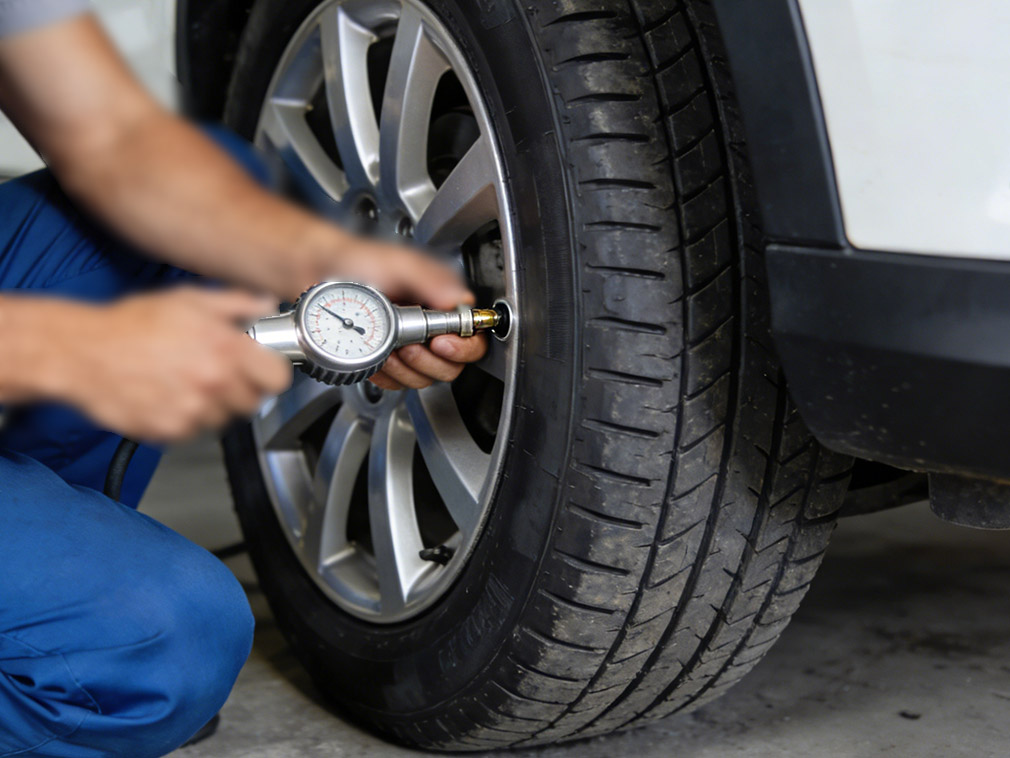
Overinflation accelerates wear in the center of the tire tread and reduces comfort, while underinflation leads to excessive deformation of the tire sidewalls and increases the risk of a blowout. Minor adjustments are also necessary during seasonal changes.
Second, promptly clean foreign objects from the tire treads and rotate tires regularly. Stones, glass shards, and other foreign objects embedded in tire treads can slowly scratch the rubber and affect water drainage. Simply clean them out in a few minutes each week. Rotate your tires every 8,000-10,000 kilometers to ensure even wear on all four tires and prevent premature aging due to uneven wear on one side.
Develop good driving habits: avoid sudden steering, rapid acceleration and braking, and slow down when driving over potholes and curbs to prevent sidewall impacts that could cause bulges or cord breakage.
Finally, regularly check your tires, paying particular attention to tread wear and sidewall aging. Tires have triangular wear indicators; when the tread depth reaches the indicator (1.6mm remaining), the tire must be replaced immediately.
Even if the tire has only been used a short time, it should not be used if deep cracks, bulges, or other damage are found on the sidewall. Furthermore, avoid prolonged exposure to direct sunlight and rain; park in a cool, dry place to slow down rubber aging and ensure safe tire use.
In general, tire use should follow the triple criteria of "years + mileage + condition". Warranty should be based on quality issues. Regular and meticulous maintenance can not only extend the tire's lifespan but also safeguard the first line of defense for driving safety, making car use more worry-free.
-
National Day Highway Charging Hits Record: +60.4% YoY(Oct 8)8264
-
New Energy Vehicle Exports Accelerate: 3.435 Million Units in First 8 Months, Up 120% Year-on-Year(Oct 8)8882
-
Chinese Tire Exports: Volume Up But Revenue Down Nearly RMB 900 Per Ton(Oct 8)5408
-
CNH Industrial: Smart Farming, NE and Local Tech(Sep 30)5577
-
CNHTC Drives Surging NE Heavy Truck Exports(Sep 30)8500




