
UTQG Tire Ratings Guide
When choosing or replacing tires, many people often focus only on brand, size, and price, neglecting the UTQG rating marked on the tire sidewall. This rating system, short for Uniform Tire Quality Grading, was introduced by the National Highway Traffic Safety Administration (NHTSA) in the United States.
It's a standardized tire performance evaluation standard and a core performance reference commonly used for passenger car tires. It directly reflects a tire's durability, grip, and high-temperature resistance, helping consumers avoid the pitfalls of blindly choosing tires and more accurately matching them to their driving needs.
The UTQG rating primarily includes three key indicators—treadwear, traction, and temperature resistance. These three indicators are combined and marked on the tire sidewall in a fixed format of "number + two letters," such as the common "400 AA A" or "300 AB." Each value and letter corresponds to a specific performance meaning and is not an arbitrary parameter.
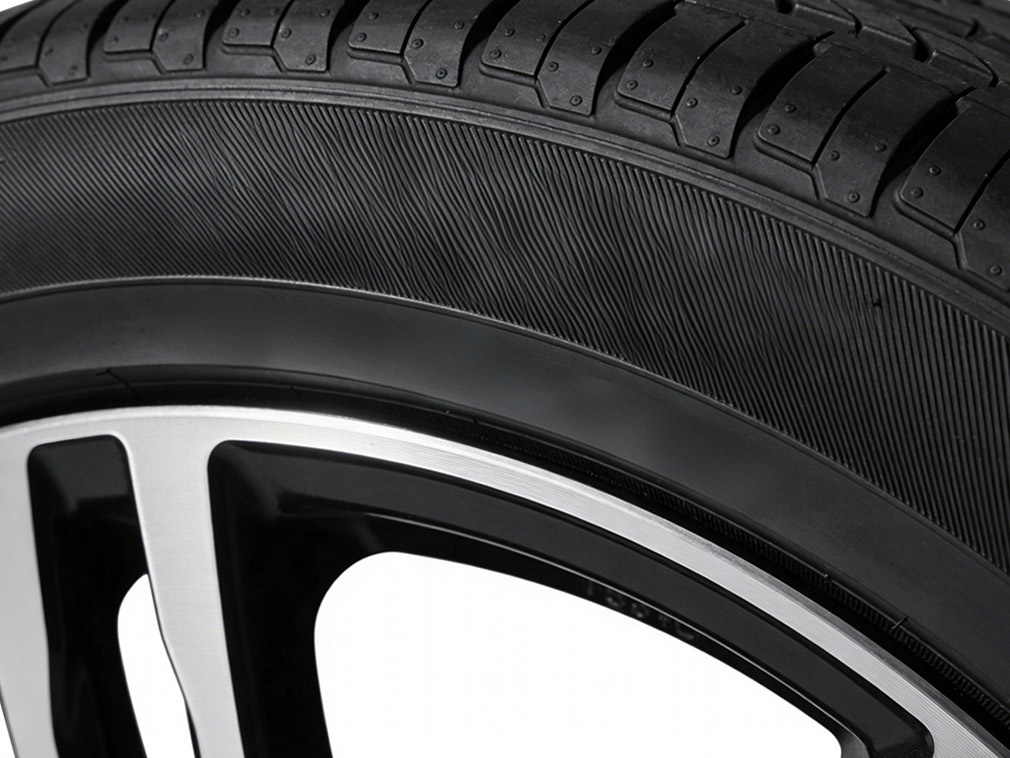
I. Abrasion Rating: A Relative Reference for Tire Lifespan; Higher Ratings Don't Necessarily Mean Better Suitability for Daily Use
The abrasion rating is the most closely watched indicator in the UTQG rating system. It's a relative wear data obtained under officially designated controlled testing environments and fixed road conditions, and doesn't correspond to actual mileage. Its core purpose is to compare the wear resistance differences between different tires. The testing process is strictly regulated: test tires and reference tires are tested simultaneously under the same fleet, road conditions, and driving conditions. After driving a fixed mileage, the tread wear is measured, and the abrasion rating is calculated.
According to the rating rules, the abrasion rating uses 100 as the base value, and the value is positively correlated with the tire's theoretical wear resistance. In short, a tire with an abrasion rating of 200 has a theoretical wear life twice that of the reference tire under standard testing conditions; a tire with an index of 400 has a theoretical lifespan four times that of the reference tire. Most daily use tires on the market have an abrasion rating between 180 and 400, some more durable economy tires can reach an index above 500, while tires focused on handling and comfort have relatively lower indices.
It's important to note that the tread wear index is only a relative durability reference and cannot be directly converted into specific mileage. Actual tire lifespan is affected by multiple factors, including driving habits, road conditions, tire pressure, wheel alignment, and climate. Frequent hard braking, prolonged driving on unpaved roads, and abnormal tire pressure will significantly shorten the actual lifespan of a tire.
Additionally, tires with excessively high tread wear indexes typically have harder rubber, resulting in reduced road noise and comfort. For family cars, blindly pursuing high tread wear indexes is unnecessary; a balance between durability and comfort is more practical.
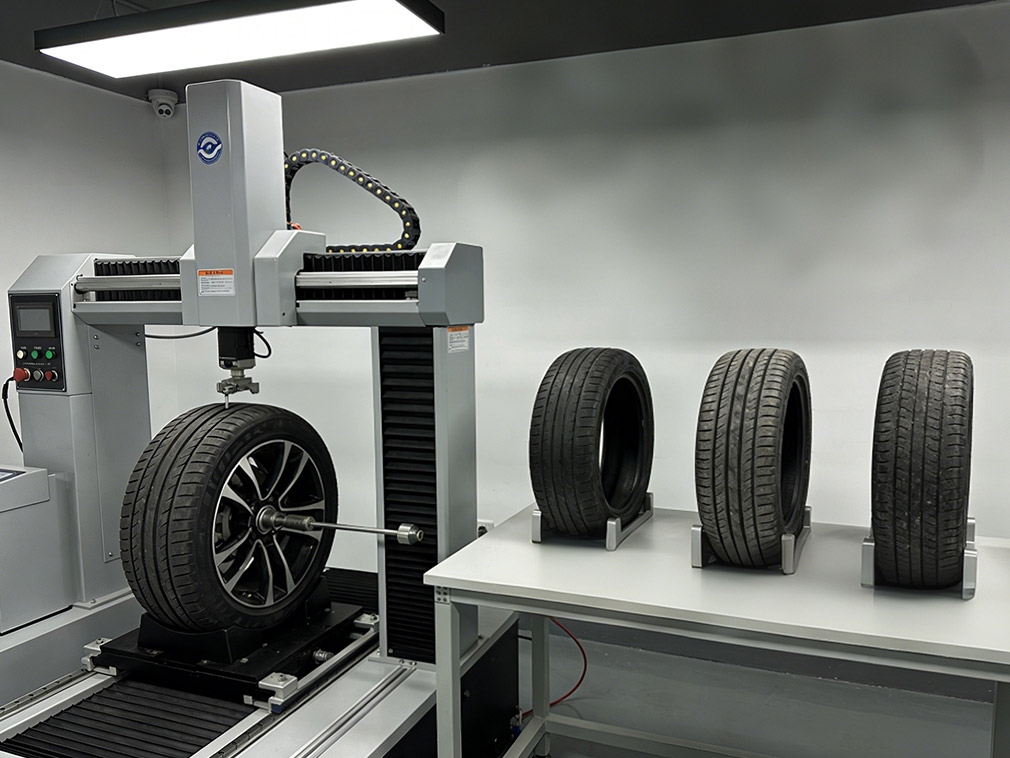
II. Traction: The core indicator of wet braking ability; higher ratings mean greater safety
The traction rating primarily measures a tire's straight-line braking grip on wet, slippery surfaces, a key indicator of driving safety in rainy weather. The ratings, from highest to lowest, are AA, A, B, and C, with AA being the highest and C the lowest acceptable standard. Tires that do not meet a C rating are not eligible for compliant sales.
This indicator is also tested under controlled conditions on both wet asphalt and wet concrete surfaces. The tire grip is simulated during straight-line braking, and the coefficient of friction is calculated to determine the rating. It does not include performance aspects such as cornering grip, water drainage and anti-skid, or dry braking.
For everyday passenger cars, it is recommended to prioritize tires with AA or A-level traction. These tires have shorter braking distances in rainy weather, stronger stability on wet roads, and effectively reduce the risk of slippage and brake failure. B-level and C-level tires are more suitable for low-speed commuter vehicles in areas with good road conditions and less rain.
III. High-Temperature Resistance: The Safety Bottom Line for High-Speed Driving, Related to Tire Blowout Risk
The high-temperature resistance rating reflects the tire's ability to resist heat accumulation and rapid heat dissipation during high-speed driving and continuous operation, directly affecting the risk of high-speed tire blowout. The rating is divided into three levels from highest to lowest: A, B, and C, with A-level showing the best high-temperature resistance and C-level being the minimum acceptable level.
When a vehicle is traveling at high speed, the friction between the tire and the ground continuously generates heat. If a tire's high-temperature resistance is insufficient, heat cannot dissipate effectively, accelerating rubber aging, reducing the strength of the ply layer, and potentially causing a blowout.
The testing standards clearly define the speed tolerance thresholds for different ratings: Grade A tires can withstand continuous operation at higher speeds and are suitable for vehicles frequently driven on highways or long distances; for daily urban commuting vehicles, at least Grade B or higher high-temperature resistant tires should be chosen to ensure basic driving safety.

UTQG Rating Practical Buying Recommendations
Overall, the UTQG rating is an objective and standardized tire performance reference, free from exaggerated claims or misleading advertising. Consumers can directly match the indicators to their driving scenarios:
For urban commuting and prioritizing comfort, choose tires with a treadwear index of 200–300, traction A, and high-temperature resistance B.
For frequent highway and long-distance driving, prioritize tires with a treadwear index of 300–400, traction AA, and high-temperature resistance A.
For low-rain, low-speed commuting scenarios, the rating requirements can be appropriately lowered, but it is essential to ensure that all three indicators meet the passing standards.
It's important to remember that the UTQG rating is a performance reference, not the sole criterion for tire selection. A comprehensive assessment based on your driving frequency, road conditions, and driving habits, followed by purchasing compliant tires through official channels, is crucial to ensuring both durability and driving safety.




