
Tire Industry Channel Wars
In the competitive landscape of the tire industry's entire value chain, capacity expansion and technological iteration at the production end have long been standard practice. What truly determines a brand's survival and market position is often the "last mile" from the production line to the consumer.
Only by firmly controlling terminal channels and streamlining the core link between products and users can brands escape passive competition and gain absolute dominance in the fierce market competition.
Currently, the silent channel war in the domestic tire market is intensifying, with increasingly significant differences in segmented markets. The two core segments—truck and bus all-steel radial tires (TBR) and passenger car semi-steel radial tires (PCR)—present drastically different channel ecosystems. The competition for retail terminal resources and strategic positioning has reached a fever pitch, becoming the core battleground for major brands to seize market share and increase profitability.
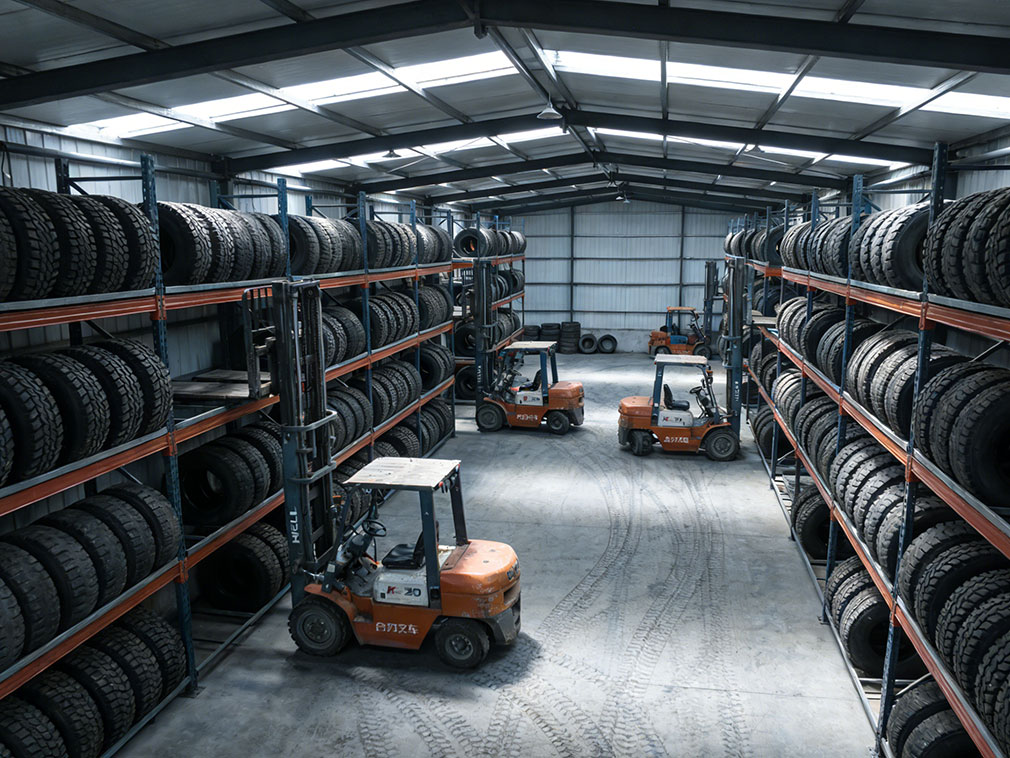
From the perspective of the overall industry structure, the domestic tire industry has continuously expanded its production capacity over the past five years, with China's global tire market share exceeding 40%. However, behind this massive production capacity, channel weaknesses have remained a key bottleneck restricting the upgrading of domestic brands.
Since 2025, in particular, the prices of upstream raw materials such as natural rubber and synthetic rubber have fluctuated upwards. Coupled with frequent tariff barriers and anti-dumping and countervailing duty investigations in overseas markets, the profit margins of domestic tire companies in both exports and production have continued to narrow, forcing the industry to shift its competitive focus from production capacity to cultivating distribution channels.
In this context, the terminal channel is not only the outlet for product sales but also the core carrier for brands to convey value, retain customers, and stabilize pricing. Controlling the terminal means controlling market pricing power and customer choice, which is the fundamental motivation for major brands to invest heavily in terminal layout.
Comparing the TBR and PCR tire segments, their channel logic and terminal forms are quite different, and their competitive paths also have their own characteristics. TBR tires are mainly suitable for commercial vehicles such as trucks and buses. Downstream customers are mainly logistics fleets, transportation companies, professional auto repair shops, and individual truck owners.
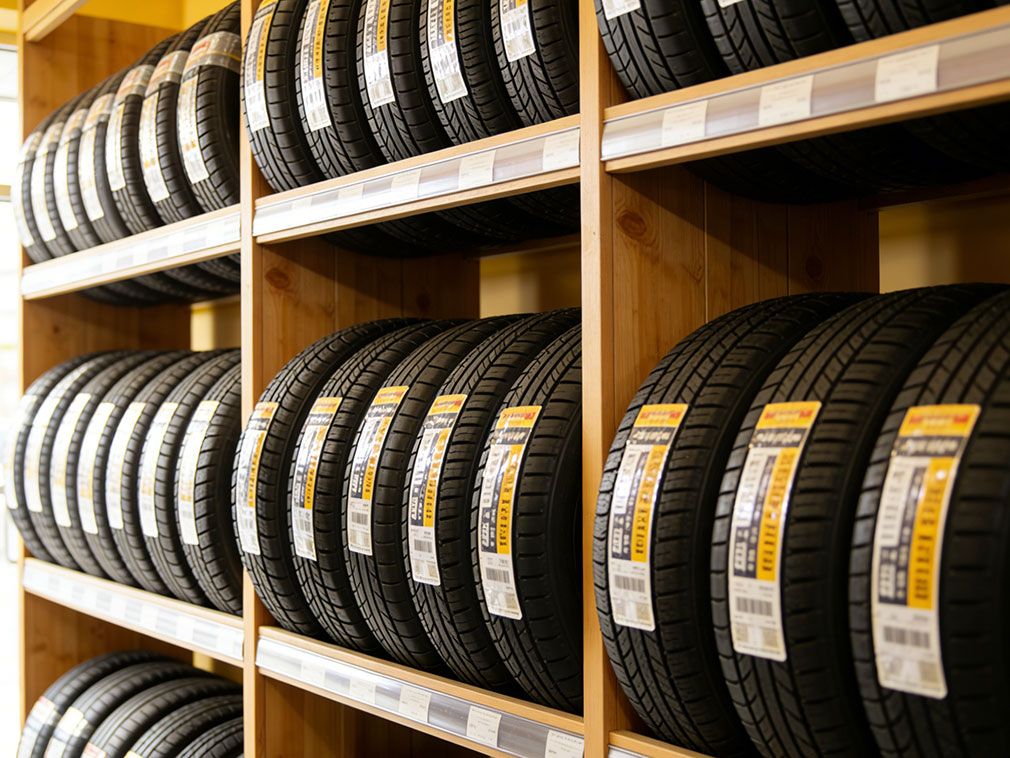
The customer base is relatively concentrated, and purchasing decisions are more rational, with core concerns about wear resistance, load capacity, after-sales warranty, and bulk purchase prices. The channel ecosystem is characterized by "large B-end dominance, direct supply as the mainstay, and retail as a supplement."
Currently, the TBR (Total Commercial Vehicle) tire market has a relatively streamlined distribution channel. Leading brands mostly adopt a direct supply model of "manufacturer—regional distributor—core fleet/large auto repair shop" to reduce intermediate markups and secure long-term customer relationships. Smaller brands rely on regional wholesalers to penetrate lower-tier markets, with their terminal stores primarily being professional commercial tire repair shops, concentrated in logistics parks, freight stations, and along national highways.
These shops boast high customer repurchase rates and relatively stable loyalty. The key to channel competition lies in acquiring bulk orders, after-sales maintenance capabilities, and maintaining customer relationships. Data from 2025 shows that the TBR market's operating rate slightly rebounded compared to previous years, with leading companies achieving sales growth against the trend by cultivating direct fleet supply channels, and industry concentration steadily increasing.
In contrast, the PCR (Complex Commercial Vehicle) tire market primarily caters to passenger vehicles such as sedans and SUVs. Its downstream customers are widely distributed, with a large audience coverage. Consumer decisions rely more on brand reputation, store convenience, installation services, and cost-effectiveness. The channel ecosystem in this market is characterized by "fragmentation, diversification, and retail terminal dominance," making competition significantly more difficult than in the TBR market.
In recent years, the tire retail (PCR) market has experienced continuous overcapacity, with over 100 million tires expected to be added to the industry's capacity by 2025. Coupled with the entry of diverse channels such as e-commerce platforms, chain auto repair shops, car wash and detailing stores, and community quick repair shops, market competition has become exceptionally fierce, with frequent price wars and continuous pressure on the gross profit margins of terminal stores.
The PCR channel structure is more complex. The traditional model is "manufacturer—provincial agent—city distributor—retail store," with many intermediate links, resulting in thin profit margins at each level. Meanwhile, emerging channels are rapidly rising, with the number of tire stores joining local life platforms like Douyin (TikTok) doubling.
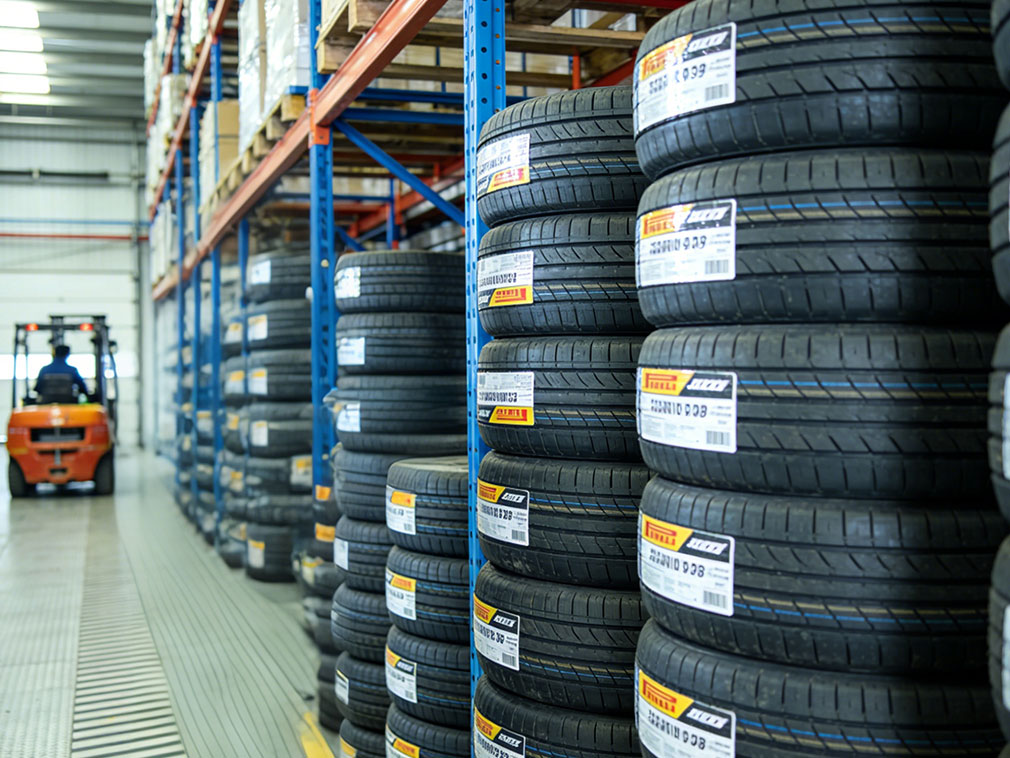
The new retail model integrating online and offline channels is gradually becoming mainstream, and competition for terminals has expanded from simple store layout to multiple dimensions such as service standardization, user experience, and private domain operations. To capture customer traffic, ordinary retail stores are launching promotions such as package deals and free installation, further squeezing profit margins and accelerating industry consolidation.
The differences in the channel characteristics of these two market segments directly determine the divergence in brand terminal layout strategies. In the TBR (Trade-Backed Market) market, brands focus on cultivating core clients, building streamlined direct supply channels, and strengthening bulk supply and after-sales support to solidify their market foundation through stable B2B partnerships.
In the PCR (Public-Purpose Retail) market, brands prioritize channel streamlining, reducing intermediate distribution links, directly empowering retail terminals, and simultaneously developing chain stores and integrated online-offline channels to improve terminal coverage and service capabilities. In both the TBR and PCR markets, the core role of retail terminals is increasingly prominent.
Especially in the PCR market, retail stores directly connect with a massive number of individual consumers, becoming the final gateway for brands to reach users. Store location, service, product display, and reputation directly impact a brand's market penetration and customer favorability.
Simply expanding channels is no longer sufficient to meet market demands. The key to brand competition lies in channel management capabilities, terminal empowerment levels, the completeness of service systems, and supply chain efficiency.
For domestic tire brands, with their production capacity advantage gradually weakening and foreign brands continuously increasing their investment in the domestic terminal layout, the only way to escape the predicament of low-price competition and truly gain market power is to abandon the extensive channel model, accurately adapt to the respective channel ecosystems of the TBR and PCR markets, and cultivate the terminal market in a targeted manner and open up the "last mile" link.




