
Tire Price Surge 2026: Causes, Impacts
The price surge in the domestic tire market continues unabated, showing no signs of slowing down, and has become a core issue of great concern to the automotive aftermarket and logistics transportation industries since the beginning of the year.
Since the Spring Festival, the tire industry has entered a period of intensive price adjustments, covering almost all categories from leading domestic companies to internationally renowned brands, from all-steel truck tires and semi-steel passenger car tires to specialty tires, resulting in a continuous upward shift in the industry's price structure. Many companies have clearly signaled further price adjustments, making a price drop in the short term highly unlikely.
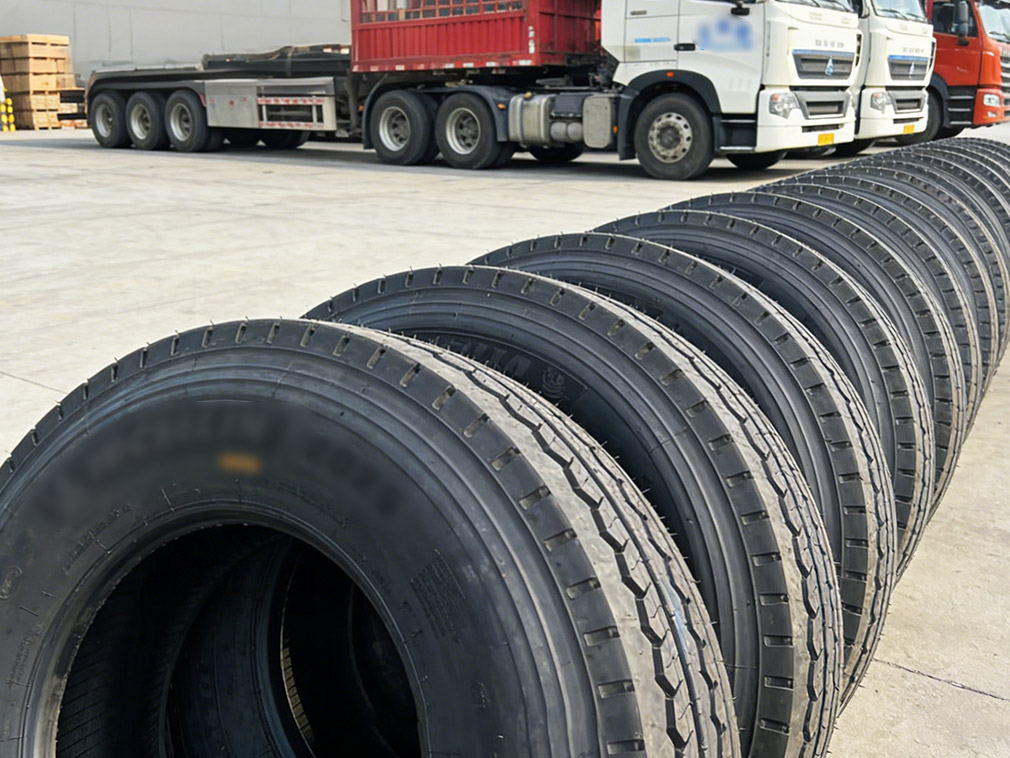
This round of sustained tire price increases is not due to companies proactively raising prices, but rather a passive choice forced by rigid increases in upstream costs. The core driving factors are concentrated in three major sectors: raw materials, energy, and the supply chain, supported by clear and timely data.
Regarding raw materials, raw materials account for over 70% of tire production costs, with prices of core raw materials such as natural rubber, synthetic rubber, carbon black, steel cord, and chemical additives all rising across the board.
Southeast Asia, a major global producer of natural rubber, is currently in its traditional off-season, leading to tight raw material supplies and spot prices rising nearly 5% since the beginning of the year. International oil prices remain high due to geopolitical tensions, directly pushing up prices of petroleum derivatives such as synthetic rubber and carbon black.
Carbon black prices have risen by over 13% year-to-date, with some specialty additives seeing increases exceeding 20%. Coupled with fluctuations in imported rubber exchange rates, raw material procurement costs for companies continue to climb, pushing some small and medium-sized tire manufacturers close to the break-even point.
Simultaneous increases in energy and logistics costs have further amplified operational pressures. Domestic industrial electricity and natural gas prices have risen slightly, and tire production is a high-energy-consuming industry, with high energy consumption in vulcanization and molding processes. These energy cost increases are directly passed on to product pricing.
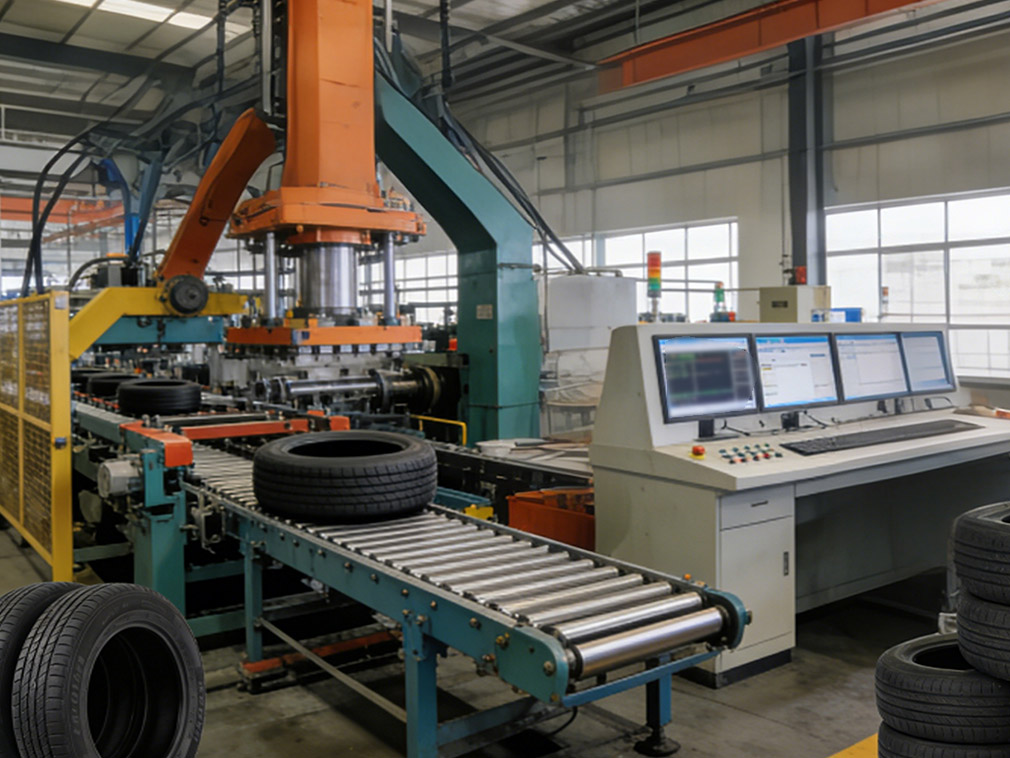
Meanwhile, nationwide logistics and transportation costs have increased in tandem with rising oil prices, increasing transportation costs for finished tires and raw materials by 15%-20%. Under the combined pressure of these multiple costs, companies are finding it difficult to fully absorb the pressure through internal cost reduction and efficiency improvement measures and capacity optimization, making price increases a necessary measure to maintain normal production and operation.
From a market implementation perspective, this round of price increases has been widespread and rapid. As of March 23, nearly 70 domestic tire companies had issued formal price adjustment notices, totaling over 80 notices. The price increases for mainstream brands were generally controlled between 2% and 5%, while some rare specifications and large-size tires saw increases approaching 10%. Leading domestic companies such as Zhongce, Linglong, Sailun, and Guizhou
Tire were the first to adjust prices, followed closely by international brands like Pirelli and Goodyear. The industry-wide price increases have created a ripple effect, not merely the actions of a single company. It is worth noting that the price adjustments are far lower than the actual increase in raw material costs.
Many companies explicitly stated in their price adjustment notices that this round of price increases can only alleviate some cost pressures and cannot fully cover the cost increases. They will adjust product prices in a timely manner based on raw material price trends.
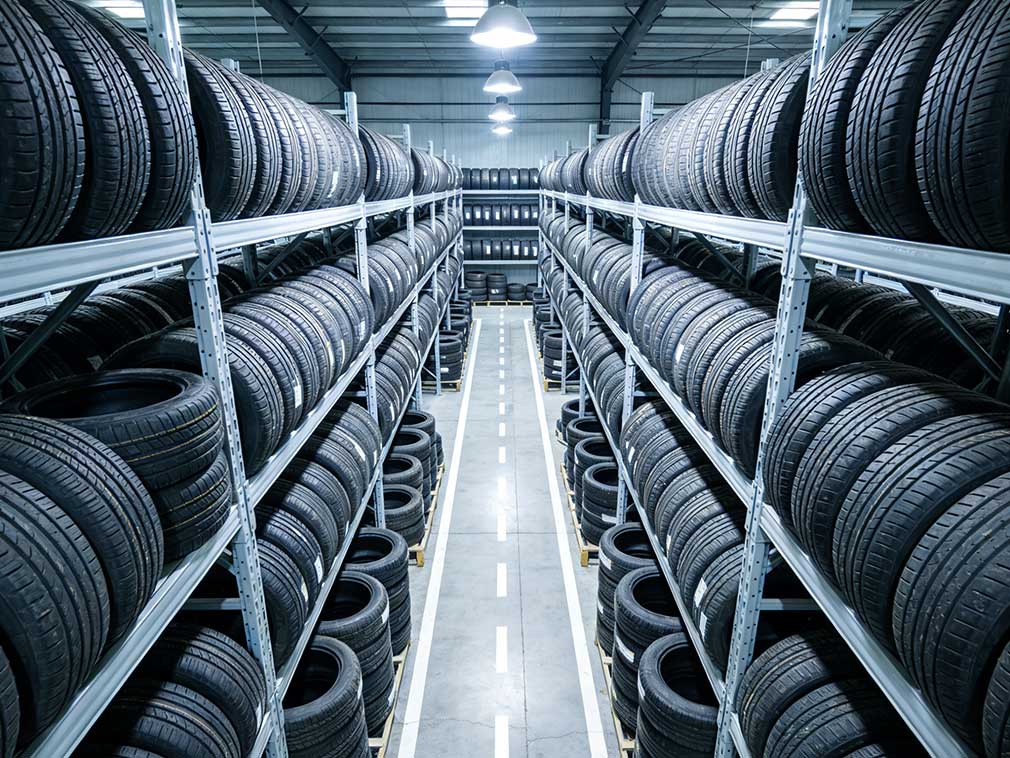
The price increase trend continues to spread, and has already had a significant transmission effect on downstream markets. The logistics and transportation industry is most affected by the price increase of all-steel tires. As a core consumable for trucks, the continuous price increase of heavy-duty tires directly pushes up vehicle operating costs, squeezing the profit margins of freight companies.
In the passenger car replacement tire market, the cost of goods for end-user stores has increased, and some stores have slightly raised retail prices. However, due to stable market demand and intense industry competition, the price increases at the end-user level are generally lower than those adjusted by manufacturers, further compressing the store's gross profit margin.
At the same time, dealers are becoming more cautious in their purchasing, mainly replenishing stock as needed to avoid high-priced inventory buildup. The overall market presents a game-theoretic pattern of "manufacturers raising prices, dealers under pressure, and end-users following suit with moderate increases."
Based on current industry trends, tire prices are expected to maintain an upward trend in the short term. On the one hand, the off-season for natural rubber tapping in major producing areas will continue until mid-to-late April, making it difficult to alleviate the tight supply of raw materials in the short term. On the other hand, there are no signs of a decline in international oil prices and chemical raw material prices, ensuring strong cost support.
For ordinary consumers and downstream businesses, it is recommended to closely monitor manufacturers' price adjustments and plan procurement accordingly. For tire manufacturers, this round of price increases is accelerating industry consolidation. Leading companies, with their scale advantages and supply chain management capabilities, can more easily pass on cost pressures, while smaller brands face greater survival challenges, and industry concentration is expected to further increase.
Overall, the continued rise in tire prices in late March 2026 is a result of the combined effects of upstream cost pressures and the industry's supply and demand dynamics, exhibiting strong market authenticity and timeliness.
Subsequent price trends will continue to be closely linked to changes in the raw materials and energy markets. The entire industry chain needs to work together to address the operational challenges brought about by rising costs and smoothly navigate this price adjustment cycle.
-
Foreign Media Visits Yimin Open-Pit Mine: 100 Autonomous 90-Ton Trucks in Operation(Oct 9)8222
-
IRSG: Natural Rubber Prices Hit Multi-Year Highs, Short-Term Correction Pressure Expected(Oct 9)8615
-
Used Car Exports Enter a Trust-Based Phase: Over 450,000 Units in First 8 Months(Oct 9)5384
-
National Day Highway Charging Hits Record: +60.4% YoY(Oct 8)8283
-
New Energy Vehicle Exports Accelerate: 3.435 Million Units in First 8 Months, Up 120% Year-on-Year(Oct 8)8905




