Waste Tire Recycling: Green Economy Hotspot
Waste tires, once considered a form of "black pollution," are now releasing considerable commercial value through diversified resource utilization pathways. Their market potential has gained widespread recognition from upstream and downstream sectors of the industry chain, including steel mills, plastic product companies, and new energy enterprises.
Driven by the continuous advancement of "dual carbon" goals and the in-depth implementation of the circular economy strategy, the domestic tire recycling industry has completely moved away from its previous fragmented and extensive operating model, entering a critical transformation period of large-scale, standardized, and high-value development, becoming a hot track in the green circular economy field.
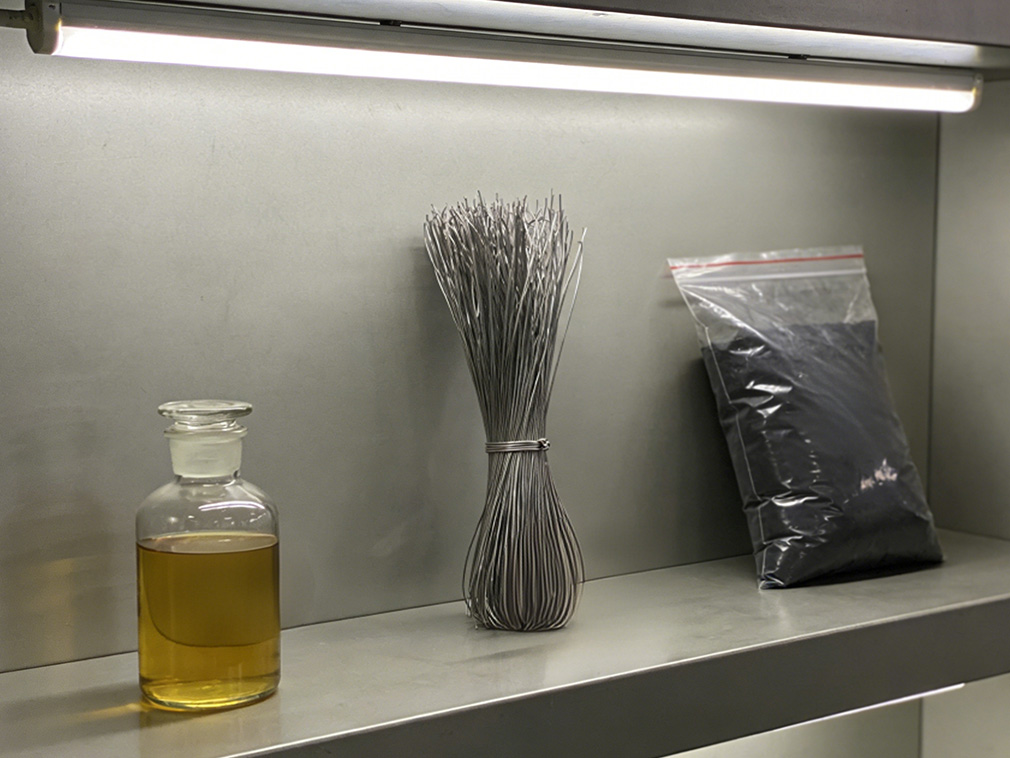
From the perspective of core resource products, waste tires, through advanced processes such as pyrolysis, can achieve efficient utilization of all components, bringing tangible cost reductions and green benefits to downstream industries. Steel mills are one of the core application scenarios for pyrolysis oil.
Compared to traditional fossil fuels, tire pyrolysis oil, as an alternative fuel, has a stable calorific value and more advantageous procurement costs, effectively reducing steel companies' fuel procurement expenditures while reducing pollutant emissions from coal combustion, aligning with the steel industry's energy-saving and carbon-reduction transformation needs.
Currently, refined pyrolysis oil produced by compliant domestic pyrolysis enterprises has been stably integrated into the fuel procurement systems of many large and medium-sized steel mills, with increasingly close supply and demand cooperation.
The plastics and rubber processing industries are focusing on the application value of recycled carbon black. The price of virgin carbon black is greatly affected by fluctuations in the crude oil market, while modified and purified recycled carbon black for tires meets the production standards of most plastic products and rubber parts, and its procurement cost is far lower than that of virgin carbon black, significantly reducing raw material expenditures for enterprises.
With the continuous improvement of standards for the application of recycled materials, more and more plastic product companies are including recycled carbon black in their regular procurement lists, and some tire manufacturers have also achieved a closed-loop utilization of "waste tire pyrolysis—recycled carbon black reuse—new tire production," further expanding the market space for recycled carbon black.
The layout of the new energy industry further expands the commercial boundaries of tire recycling. The combustible exhaust gas generated during the operation of the pyrolysis process can be recovered and converted into heat or electricity through specialized equipment.
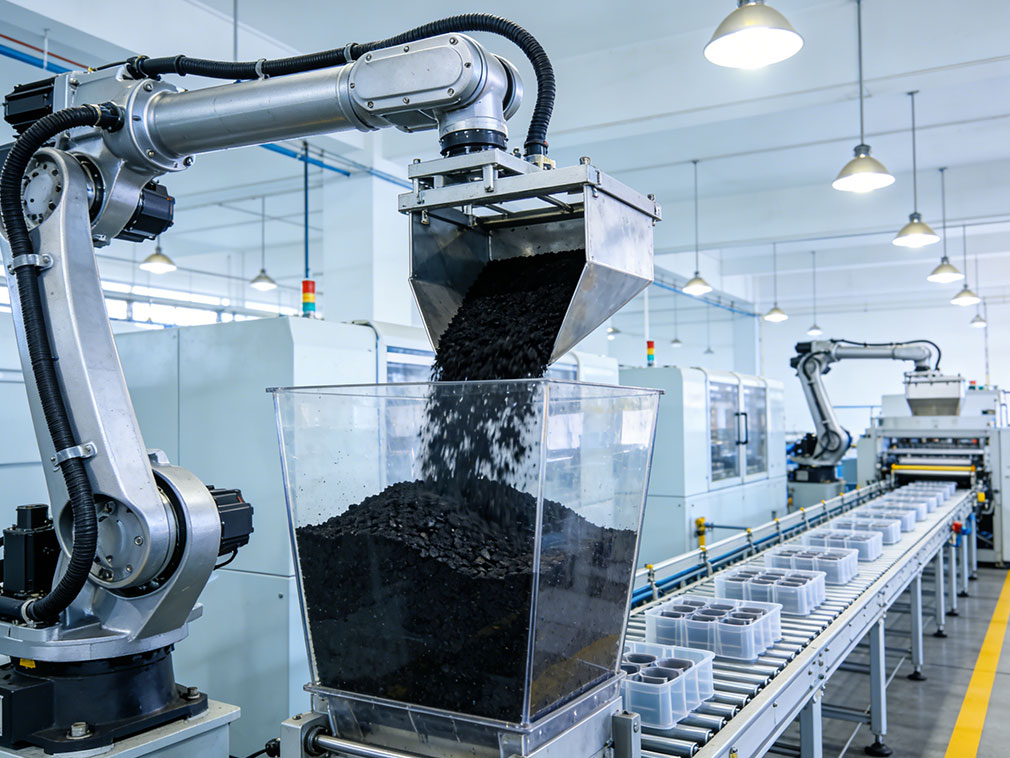
This not only meets the energy needs of the pyrolysis production line itself, achieving energy self-sufficiency, but the surplus energy can also be connected to the grid for transmission or supplied to surrounding plants, demonstrating significant potential for energy recovery and cost reduction.
Especially against the backdrop of the new energy industry pursuing full-chain decarbonization, this energy recycling model not only aligns with the green development philosophy of new energy companies but also unlocks additional revenue, becoming a new profit growth point for the industry.
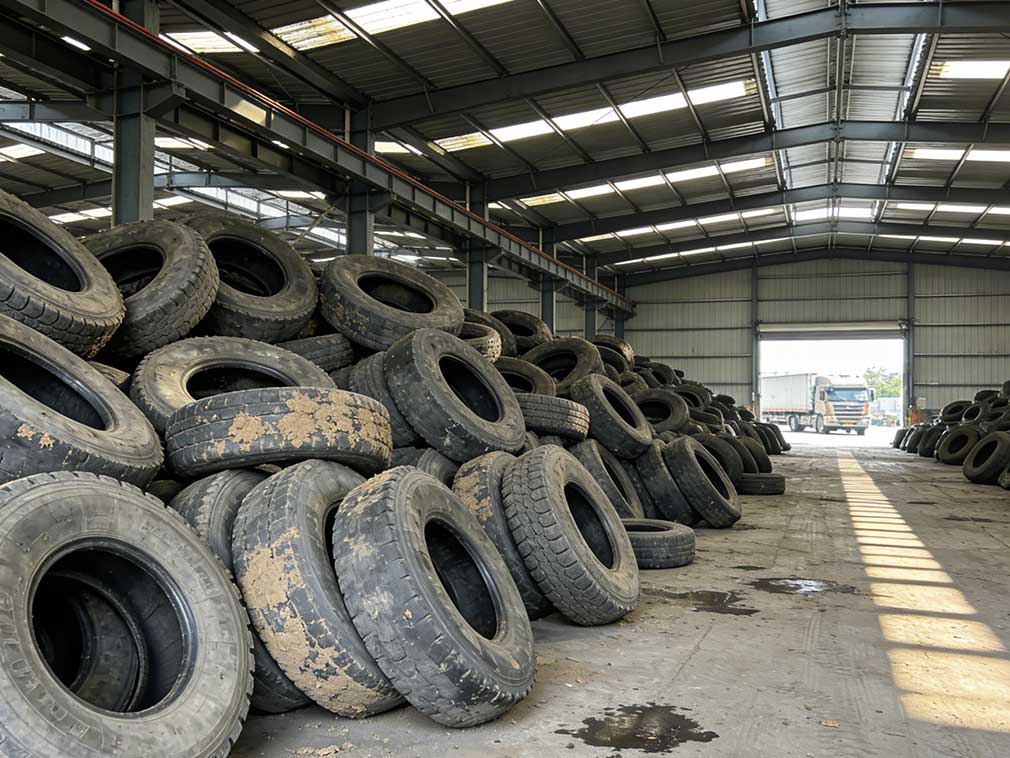
As of 2026, my country's annual waste tire production exceeded 16 million tons. For a long time, the industry has suffered from pain points such as scattered operations by small workshops, failure to meet environmental standards, low resource utilization, and low product added value, resulting not only in resource waste but also environmental hazards.
With the continuous implementation of the "Industry Standard Conditions for Comprehensive Utilization of Waste Tires," and the Ministry of Industry and Information Technology and other departments increasing efforts to promote advanced technologies, intelligent continuous pyrolysis technology is gradually replacing traditional intermittent processes, achieving a resource recovery rate of over 95%, significantly improving the industry's standardization level.
Currently, there are over 80 compliant leading companies nationwide, with an annual processing capacity exceeding 5 million tons, and the industry concentration continues to increase, completely reversing the previous situation of disorderly competition.
The continued policy support has further activated the industry's development momentum. During the 15th Five-Year Plan period, the comprehensive utilization of waste tires was included in the key areas of support for the circular economy.
Compliant projects could enjoy policy benefits such as tax incentives and green bond support. Local governments also gradually established a three-tiered recycling system of "recycling points—transfer stations—centralized processing," effectively solving the problems of fragmented waste tire recycling channels and unstable raw material supply.
Meanwhile, the sustainable certification systems for recycled fuels and recycled carbon black in overseas markets such as the EU have become increasingly sophisticated. After high-quality domestic pyrolysis products obtained international certification, export channels were gradually opened, and overseas market demand continued to be released, opening up new space for industry development.
Currently, the tire recycling industry has completed the transformation from "passively treating pollution" to "actively exploring value," and a pattern of coordinated development across the entire industry chain has been initially formed.
-
National Day Highway Charging Hits Record: +60.4% YoY(Oct 8)8256
-
New Energy Vehicle Exports Accelerate: 3.435 Million Units in First 8 Months, Up 120% Year-on-Year(Oct 8)8878
-
Chinese Tire Exports: Volume Up But Revenue Down Nearly RMB 900 Per Ton(Oct 8)5406
-
CNH Industrial: Smart Farming, NE and Local Tech(Sep 30)5569
-
CNHTC Drives Surging NE Heavy Truck Exports(Sep 30)8496