
Cambodia's Tire Exports Surge 71% in Jan 2026
Cambodia's foreign trade exports got off to a strong start in 2026, with the tire manufacturing industry experiencing explosive growth and becoming a core pillar driving the country's export growth. A foreign trade statistics report released by the Cambodian Ministry of Commerce in late February showed that in January, the country's tire exports exceeded US$159 million, a significant increase of 71% compared to US$93 million in the same period of 2025.
This strong start to the year laid a solid foundation for the development of manufacturing and foreign trade throughout the year, further demonstrating the robust growth momentum of the tire industry.
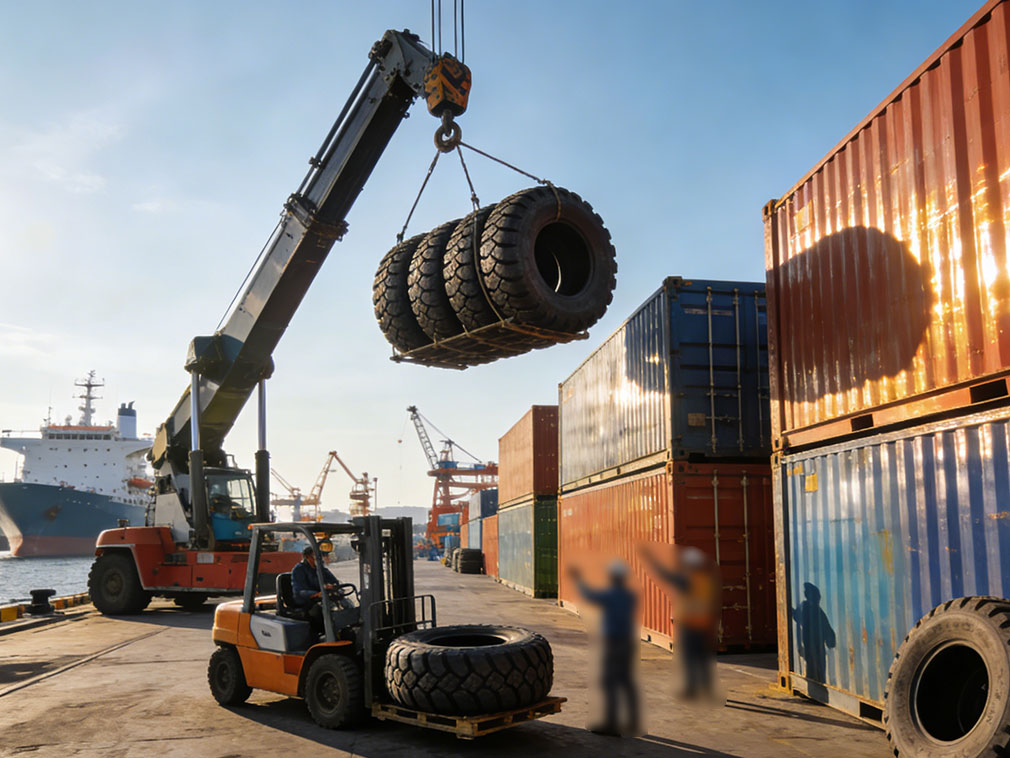
From the perspective of the overall foreign trade structure, the rapid growth of the tire manufacturing industry provided strong support for Cambodia's foreign trade recovery in January. Data from the Cambodian General Department of Customs shows that in January 2026, the country's total international trade reached US$6 billion, a year-on-year increase of 19%; of which exports totaled US$2.91 billion, a year-on-year increase of 26.6%.
The proportion of tire exports in manufacturing exports continued to climb, becoming one of the few core categories with growth rates far exceeding the overall export average. This helped Cambodia gradually move away from its previous over-reliance on traditional light industrial products such as clothing and footwear, promoting the continuous optimization and upgrading of its export structure.
This significant increase in tire exports is not a short-term, accidental phenomenon, but rather the inevitable result of Cambodia's tire industry's long-term accumulation and concentrated release of production capacity. Looking back at the full-year data for 2025, the country's tire exports reached a record high of US$1.38 billion, a 57.86% increase from US$874 million in 2024, maintaining a high growth rate throughout the year.
Entering 2026, the industry's growth rate further accelerated, with a 71% year-on-year increase in the first month. This not only continued the resilience of last year's growth but also reflected the core competitiveness formed after the expansion of the industry's scale and capacity, gradually securing a more stable position in the global tire supply chain.
Currently, Cambodia's tire manufacturing industry has formed a large-scale, clustered development pattern, with an increasingly complete industrial layout. According to industry statistics, seven tire production plants in the country are already in regular operation, mainly concentrated in key economic areas such as Svay Rieng Province and Sihanoukville Province, demonstrating a significant industrial cluster effect.
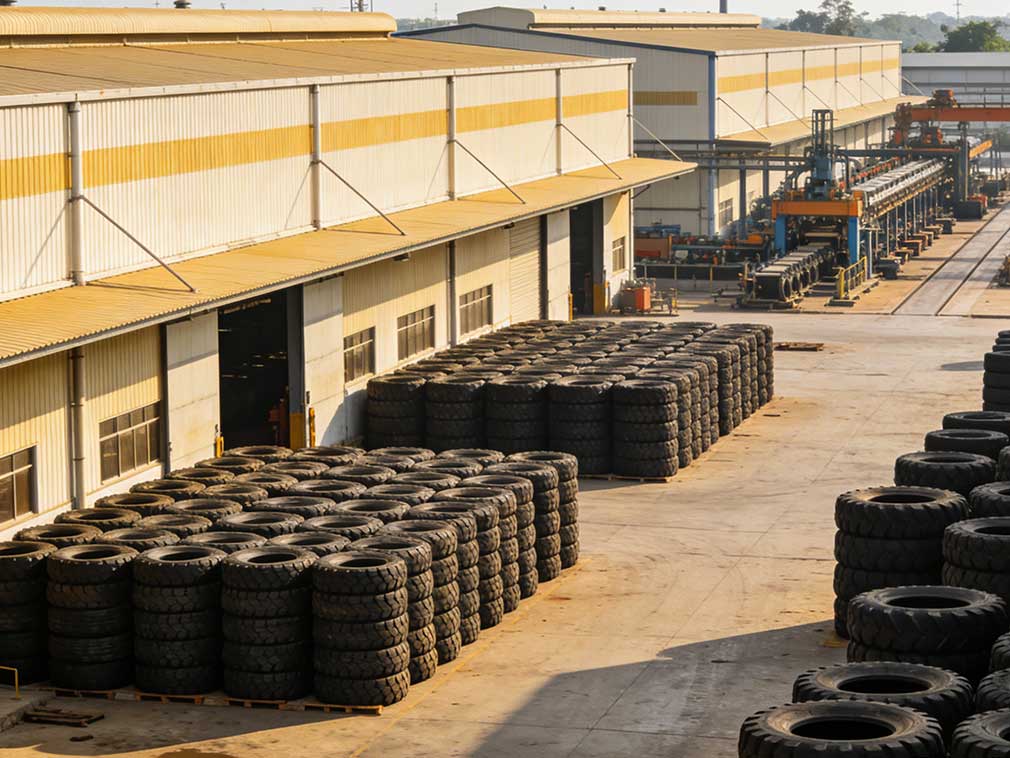
These factories are mostly equipped with modern production equipment and mature manufacturing processes, producing a wide range of products including passenger car tires and commercial vehicle tires. Their export markets cover China, the United States, the European Union, Japan, and neighboring ASEAN countries, with a continuously expanding export network and steadily increasing market recognition.
Behind this rapid industrial rise lies the combined support of multiple core advantages. On the one hand, Cambodia possesses high-quality natural rubber resources in Southeast Asia, with ample domestic rubber production providing a stable supply of raw materials for tire production.
This effectively reduces the transportation and procurement costs for enterprises, creating a unique advantage in the upstream industry. On the other hand, the Cambodian government has continuously introduced targeted investment incentive policies, simplified foreign investment approval procedures, and provided tax breaks and land support, attracting a large influx of foreign capital, especially from Chinese enterprises, which have continued to increase their investment. New projects are gradually coming online and reaching full production capacity, directly driving a significant increase in industry capacity.
More importantly, the rise of the tire manufacturing industry is driving the structural transformation of Cambodia's rubber industry, creating a closed loop in the upstream and downstream industrial chain. Data shows that in 2025, Cambodia's natural rubber latex exports decreased by 12.3% year-on-year, while domestic rubber consumption increased significantly by 146% year-on-year, exceeding 124,000 tons.
The large-scale supply of local raw materials to tire manufacturers has enabled a shift from "exporting primary raw materials" to "exporting processed products," significantly increasing product added value and driving the coordinated development of local employment, logistics, and other related supporting industries, forming a virtuous cycle of industry.
A recent official from the Council for the Development of Cambodia (CDC) stated that the tire manufacturing industry has become a benchmark sector for Cambodia's industrial diversification and high-quality economic development.
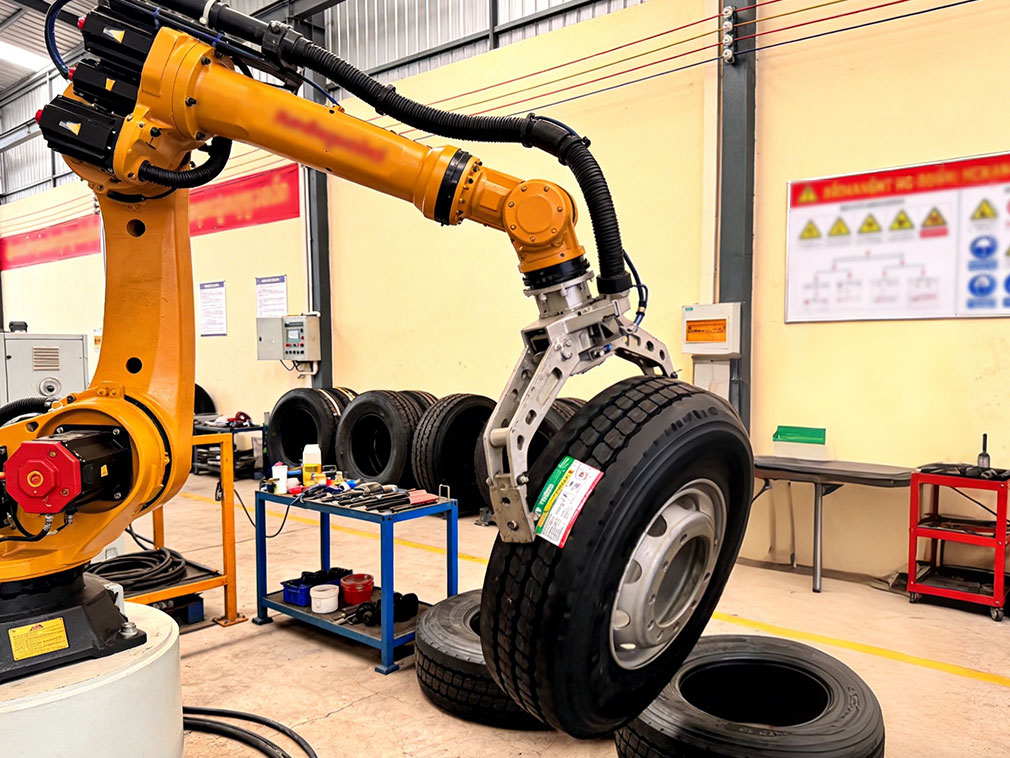
The continued implementation of new investment projects will further strengthen the industry's competitiveness and contribute to the stable growth of the country's foreign trade. Industry analysts point out that against the backdrop of a global automotive industry recovery and accelerated regionalization of supply chains, Cambodia's tire industry, with its cost, policy, and location advantages, still has ample growth momentum.
With the gradual commissioning of projects under construction and further expansion of overseas market channels, tire exports are expected to maintain high growth throughout 2026, continuously injecting strong momentum into Cambodia's economic development and helping the country's manufacturing industry achieve leapfrog development.




