
PCR, TRR, OTR Trends & Market Analysis
Tires, as a core component of vehicles, can be subdivided into three main categories based on application scenarios, load-bearing requirements, and technical standards: off-road tires (OTR), commercial vehicle tires (TRR), and passenger car tires (PCR).
These three types of tires differ significantly in structural design, performance indicators, and market positioning, each suited to different usage scenarios, collectively forming the core landscape of the global tire industry. From 2025 to 2026, the industry landscape will exhibit a differentiated development trend, with technological iterations and changes in market demand continuously driving category upgrades.
I. Passenger Car Tires (PCR): Mainstream Standard for Civilian Mobility, Market Trending Towards Refinement
Passenger car tires (PCR) are radial tires specifically designed for passenger vehicles such as sedans, SUVs, and MPVs. They are the most widely used tire category in the civilian market, with over 95% of original equipment tires in the global passenger car market currently using PCR tires, making it an industry standard. Its design focuses on comfort, quietness, fuel economy, and daily driving stability.
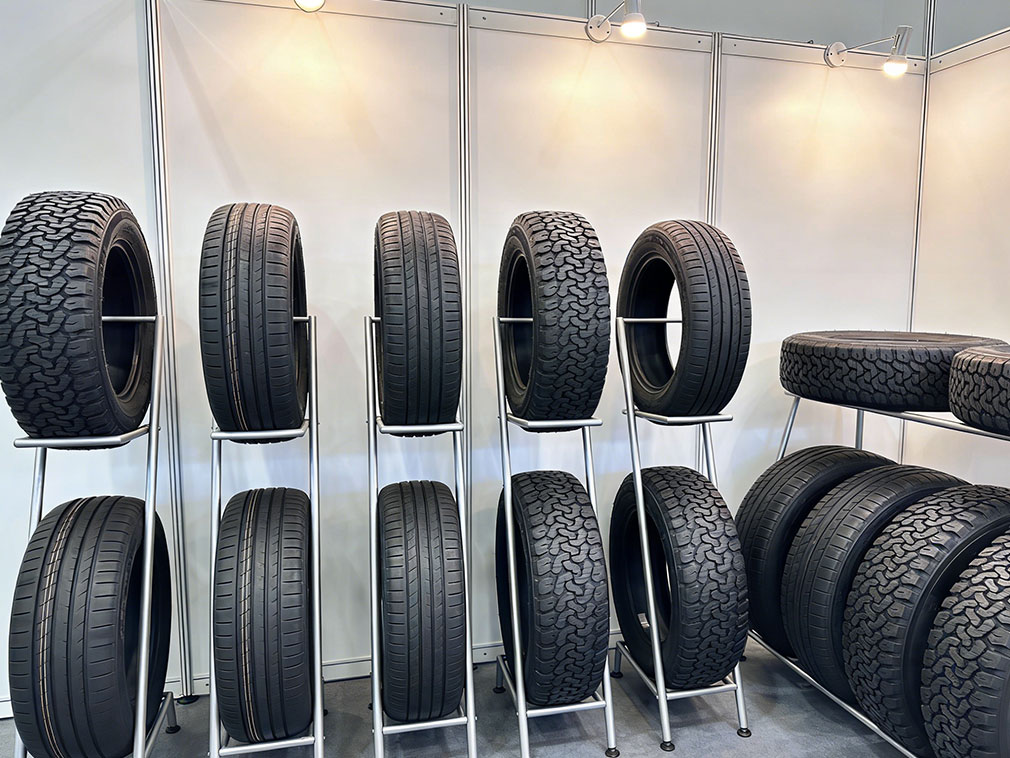
The internal ply layers are arranged radially at 90°, ensuring even contact with the ground, resulting in low vibration and noise, making it suitable for urban roads, highways, and other conventional paved surfaces.
From a market perspective, the PCR tire industry entered a cyclical adjustment phase in 2025. The average operating rate of domestic semi-steel tires remained around 72%, slightly above the profit benchmark, but down year-on-year. Market demand is gradually shifting from incremental to stock-based, with the replacement market remaining the core support.
Meanwhile, consumer demand is becoming increasingly refined, with products targeting specific scenarios such as all-season use, winter snow and ice conditions, wet-weather handling, and fuel efficiency with low rolling resistance rapidly emerging. In terms of industry competition, domestic brands continue to expand their market share by leveraging cost-effectiveness and channel advantages, while foreign brands focus on the high-performance segment, promoting technological upgrades such as sound-dampening materials, self-healing mechanisms, and low rolling resistance. The overall market structure is stabilizing, with compliance and green development becoming the mainstream trends.
II. Commercial Vehicle Tires (TRR): Core Support for Logistics and Transportation, Balancing Load Capacity and Durability
Commercial vehicle tires (TRR), also commonly known in the industry as TBR (Truck and Bus Radial), are primarily designed for heavy-duty trucks, light-duty vans, city buses, and long-distance passenger buses. They utilize an all-steel radial structure, boasting high load-bearing capacity, outstanding wear resistance, and excellent tear resistance, perfectly matching the high-load, long-mileage, and high-intensity operational needs of commercial vehicles.
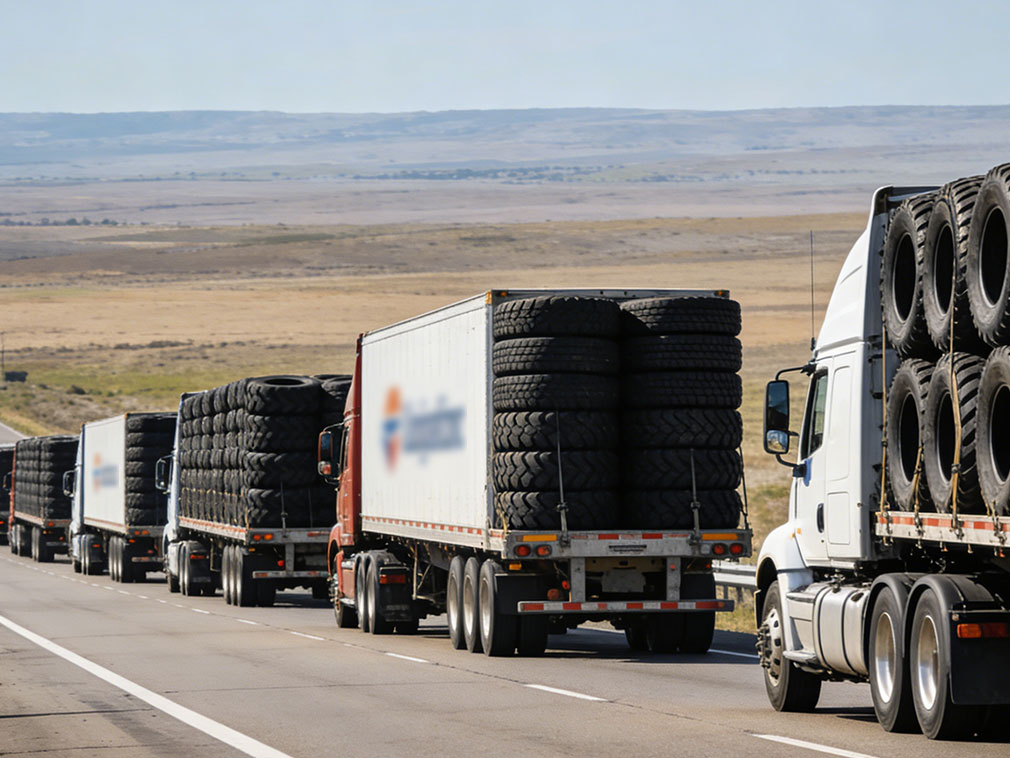
Compared to PCR tires, TRR tires have a thicker carcass, deeper tread patterns, and higher rigidity, meeting the demands of long-distance highway freight as well as adapting to complex road conditions such as short-distance urban and rural routes and construction site surroundings. They are a key component in logistics, public transportation, and infrastructure transfer.
The global commercial vehicle tire market is projected to exceed $45 billion by 2025. In the domestic market, local brands hold an absolute dominant position, with the leading companies accounting for over 85% of the market share, while the market share of foreign brands continues to shrink. Demand for this category is highly dependent on the logistics, freight, infrastructure, and public transportation industries, with the replacement market accounting for over 70%.
New vehicle demand fluctuates with commercial vehicle production and sales. In recent years, environmental protection and energy consumption policies have continuously driven industry upgrades, making low rolling resistance and high wear resistance green commercial vehicle tires a key research focus.
These tires help reduce vehicle fuel consumption and extend tire lifespan, aligning with the logistics industry's core needs for cost reduction and efficiency improvement. Simultaneously, outdated production capacity continues to be eliminated, allowing leading companies to further consolidate their market position through technological and scale advantages.
III. Off-Road Tires (OTR): Specialized for Special Scenarios, a Rapidly Rising High-Margin Segment
Off-road tires are specialized engineering tires, completely separate from conventional road use. They are primarily designed for use with construction machinery, mining machinery, agricultural machinery, and port machinery, including loaders, excavators, mining dump trucks, bulldozers, port gantry cranes, and large agricultural machinery.
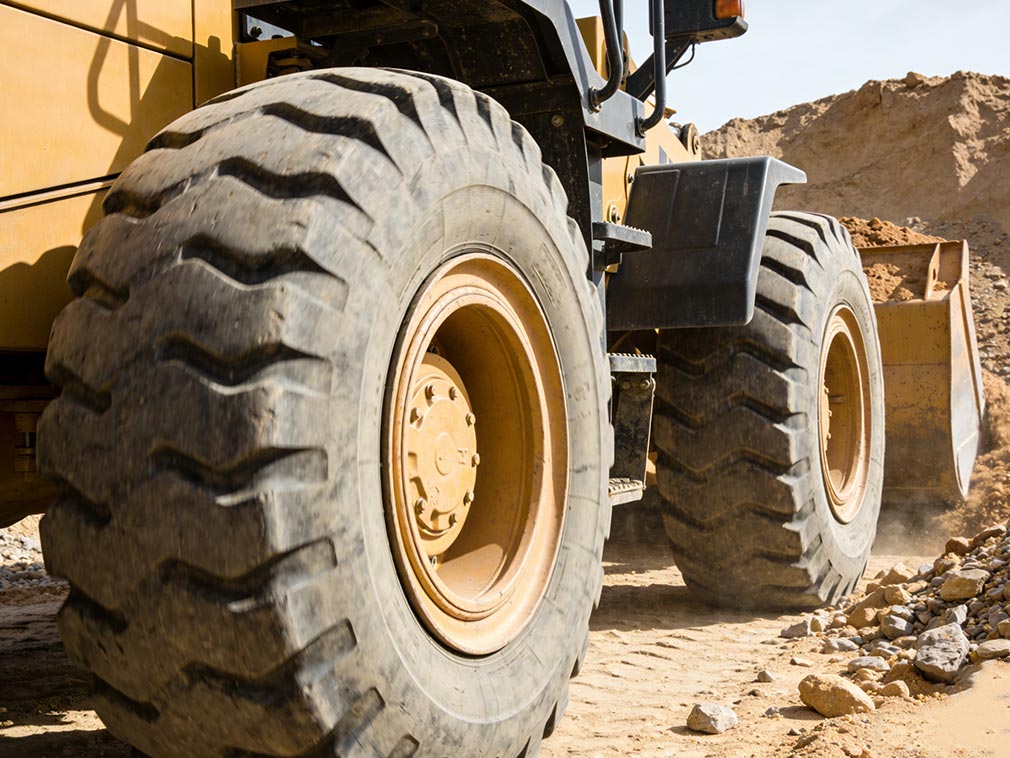
This category boasts the highest technological barriers and the greatest degree of customization among the three major tire categories. It demands extremely high levels of puncture resistance, impact resistance, heavy load capacity, and adaptability to extreme working conditions.
The tire carcass structure employs multi-layered thickened cord fabric and a special rubber compound to cope with harsh environments such as mine gravel, construction site mud, uneven fields, and heavy-duty ports, preventing operational efficiency from being affected by damage or blowouts.
The global OTR tire market size approached $9.8 billion in 2025 and is projected to exceed $9.7 billion in 2026. The compound annual growth rate (CAGR) is expected to remain between 3.3% and 4.7% from 2025 to 2032, making it one of the few sub-segments in the tire industry that maintains steady growth and possesses a high profit margin advantage.
Against the backdrop of global infrastructure recovery, a rebound in mining activity, and the advancement of agricultural mechanization, the demand for OTR tires continues to climb, prompting leading domestic and international tire companies to increase their production capacity. Domestic companies such as Sailun and Fengshen have significantly higher gross margins in their OTR businesses compared to PCR and TRR categories.
Industry concentration continues to increase, with the top five global companies accounting for over 56% of global production capacity in 2024. Core competition focuses on the technological development of oversized tires and tires for special operating conditions. Meanwhile, environmental policies are driving the application of green rubber materials and low-carbon production processes in the OTR tire sector, gradually phasing out outdated, energy-intensive, and polluting production capacity.
Overall, while the three major tire categories have vastly different application scenarios, they are all moving towards greening, intelligentization, and specialization. Compliant production, performance upgrades, and low-carbon environmental protection are common industry trends.
PCR tires focus on upgrading consumer demand, emphasizing comfort and energy efficiency; TRR tires closely address the operational needs of commercial vehicles, strengthening load-bearing capacity and durability; and OTR tires delve into special operating scenarios, focusing on overcoming technical challenges in extreme conditions.
In 2026, as the global supply chain gradually stabilizes and downstream demand continues to differentiate, the three categories will maintain their respective development paces. OTR tires, with their scarcity and high profitability, will become a hot spot for industry investment; TRR tires will maintain stable operation based on the essential needs of logistics; and PCR tires will activate the existing market through product innovation in niche segments, collectively driving the high-quality development of the global tire industry.




