
Tire Speed Rating Guide for Safe Driving
Tire speed rating, also known as speed class, is one of the core performance indicators of a tire. It refers to the highest safe speed at which a tire can maintain stable operation under specified conditions, such as standard tire pressure, rated load, and normal road surfaces.
This rating is indicated by letters on the tire sidewall. Industry standards cover the entire certified speed range from 5 km/h to 300 km/h (some high-performance tires can exceed 300 km/h), and it is a key indicator of a tire's high-speed stability, heat resistance, and structural load-bearing capacity.
In daily driving, most car owners focus on tire size, tread pattern, and wear, easily overlooking the speed rating. However, this parameter directly affects high-speed driving safety; choosing the wrong rating or ignoring it can create numerous safety hazards.
According to the latest national standard "Passenger Car Tires" (GB 9743-2024), passenger car tire speed ratings use a standardized letter coding system. Different letters correspond to specific maximum safe speeds, suitable for different positioning of family, mid-range, high-end, and performance vehicles.
The core logic behind speed ratings is that higher ratings typically involve higher-specification rubber compounds, carcass structures, and cord materials. This results in stronger resistance to deformation, overheating, and blowouts at high speeds, helping to reduce the risk of loss of control and tire blowouts caused by overheating or excessive deformation.
The mainstream speed ratings for passenger car tires on the market are concentrated in six categories: S, T, H, V, W, and Y, suitable for the vast majority of family and civilian vehicles. S-level tires correspond to a maximum speed of 180 km/h, and T-level tires correspond to a maximum speed of 190 km/h. These are mostly used in entry-level commuter cars, meeting the needs of low-speed urban commuting, but not suitable for prolonged high-speed driving.
H-level tires correspond to a maximum speed of 210 km/h and are a common original equipment rating for family sedans and compact SUVs. They are suitable for mainstream family cars such as the Corolla, Sylphy, and Accord, balancing economy and safety for daily high-speed driving, meeting the travel needs of most car owners.
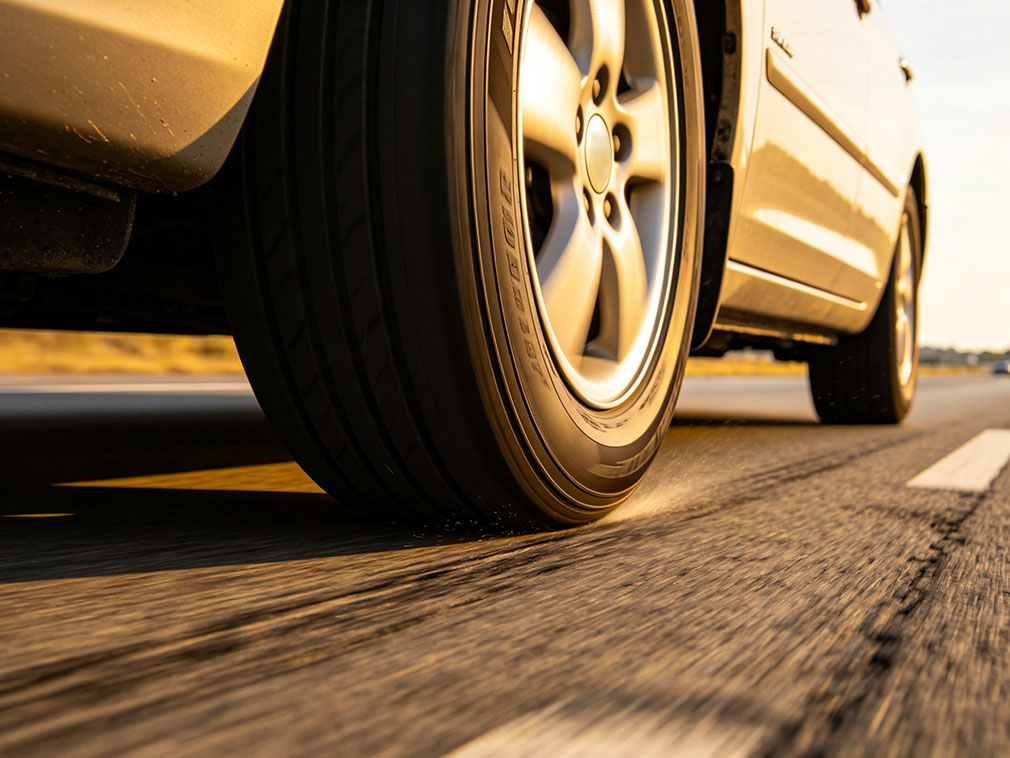
For mid-to-high-end vehicles and frequent high-speed driving scenarios, V-level, W-level, and Y-level tires are more suitable. The V-class tire corresponds to a maximum speed of 240 km/h and is widely used in mid-size sedans, urban SUVs, and new energy family vehicles. Its high-speed stability and grip are improved compared to the H-class, making it suitable for drivers who frequently drive on highways. The W-class corresponds to a maximum speed of 270 km/h, and the Y-class to 300 km/h.
These are mainly used in luxury sports sedans and high-performance new energy vehicles, offering better tire resistance to pressure and heat, making them suitable for high-speed cruising and short-term high-speed driving. Additionally, some high-performance tires may have a "ZR" designation, indicating that they are radial tires with a speed capability exceeding 240 km/h. The specific maximum safe speed should still be determined by the speed rating letter (e.g., W, Y), and these are mostly used in professional performance vehicles.
Many car owners have misconceptions, believing that "the higher the speed rating, the better" or "the speed rating doesn't matter at low speeds." In fact, the speed rating must match the vehicle's original factory specifications. Blindly replacing tires with higher-grade ones not only increases operating costs, but the overly stiff tire body may also reduce ride comfort and increase tire noise.
On the other hand, replacing tires with those lower than the original factory rating poses a significant safety hazard. Even at low daily driving speeds, lower-grade tires have insufficient heat resistance during high-speed overtaking or sudden acceleration, leading to problems such as rapid tire temperature increases, accelerated rubber aging, and tire deformation, potentially increasing the risk of malfunctions.
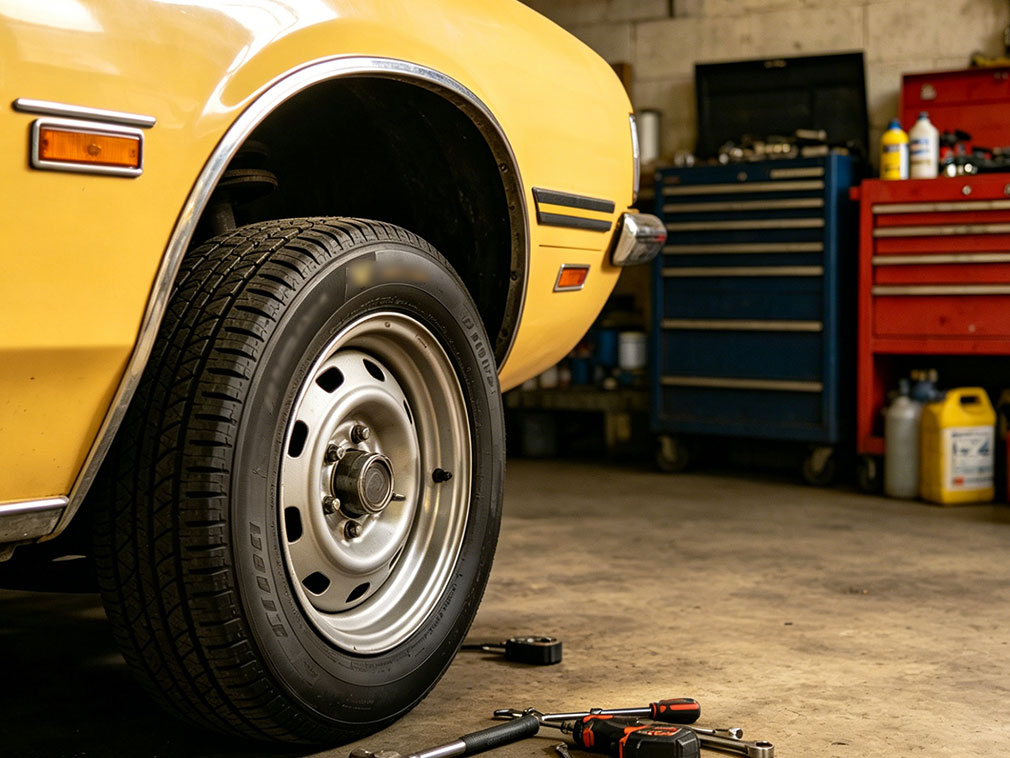
In the professional repair field, relevant technical specifications clearly require that when replacing, repairing, or replacing tires on the same axle of a passenger vehicle, the speed rating of the new tire must be no lower than the original factory standard rating. This is a fundamental principle for ensuring driving safety.
The two tires on the same axle of the same vehicle should maintain the same speed rating and specifications to avoid significant differences in high-speed performance between the two tires, which can cause vehicle drift and braking instability.
For car owners who frequently commute on highways and travel long distances, it is advisable to consider choosing tires of the same or slightly higher speed rating as the original factory tires to balance safety and durability.

In conclusion, tire speed ratings are not insignificant parameters, but rather the safety baseline for high-speed driving. They clearly define the upper limit of tire performance and are closely related to vehicle model positioning and driving scenarios.
Understanding the speed rating markings on the tire sidewalls, abandoning incorrect driving habits, and strictly adhering to the original manufacturer's standards for tire selection are crucial to reducing driving hazards from the tire perspective and better ensuring driving safety for daily commutes and highway travel.
-
National Day Highway Charging Hits Record: +60.4% YoY(Oct 8)8273
-
New Energy Vehicle Exports Accelerate: 3.435 Million Units in First 8 Months, Up 120% Year-on-Year(Oct 8)8891
-
Chinese Tire Exports: Volume Up But Revenue Down Nearly RMB 900 Per Ton(Oct 8)5414
-
CNH Industrial: Smart Farming, NE and Local Tech(Sep 30)5588
-
CNHTC Drives Surging NE Heavy Truck Exports(Sep 30)8507




