
Tire Tread Compound & the Performance
The tire tread is the only part of a vehicle that is in continuous contact with the road surface. The formulation, material ratios, and physical properties of its rubber compound directly determine the tire's overall performance, driving safety, and fuel economy.
In the industry-recognized performance system, rolling resistance, tread wear, and wet grip are three core performance parameters that are closely related and mutually restrictive, forming the classic "performance triangle" in the tire industry.
Every adjustment to the tread compound formulation affects the balance among these three parameters, making it difficult to optimize one performance aspect without affecting others. This is the core challenge in tire research and development.
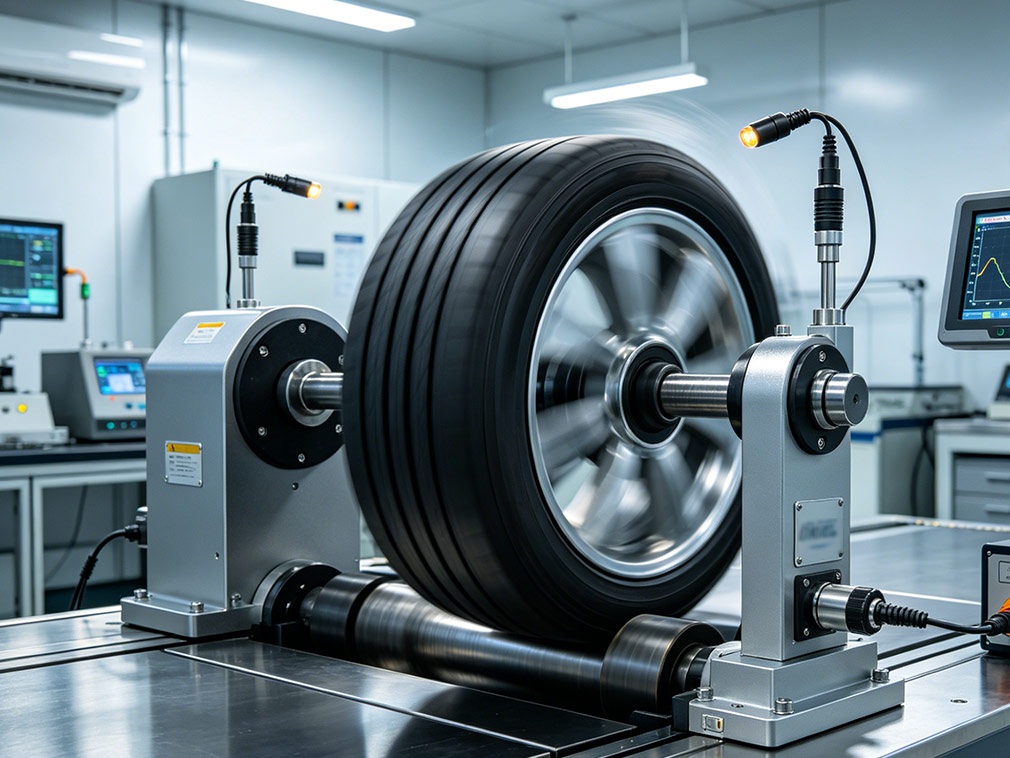
Rolling resistance is a key indicator affecting vehicle energy consumption. It specifically refers to the force that hinders movement caused by the tire's own deformation and road friction during rolling. When a vehicle is in motion, the tread repeatedly deforms and rebounds under the pressure of the road surface. The hysteresis loss of the rubber material is the main cause of rolling resistance.
When the tread compound has higher rubber hardness and a more stable molecular structure, the tire's rolling deformation is smaller, energy loss is lower, and rolling resistance decreases accordingly. Lower rolling resistance helps reduce vehicle power consumption, effectively improving fuel economy in gasoline vehicles, while also reducing energy consumption and extending the driving range of new energy vehicles.
Conversely, softer, more elastic tread compounds have a slower deformation recovery rate and greater energy loss, leading to increased rolling resistance and higher vehicle energy consumption. Related studies show that for every 10% reduction in tire rolling resistance, overall vehicle energy consumption can be reduced by 3% to 5%, demonstrating the direct impact of tread compound on vehicle fuel economy.
Tread wear directly affects tire lifespan, referring to the rate at which the tread rubber gradually wears down and flattens under long-term driving friction. During driving, the tread pattern continuously contacts and rubs against the road surface, while also dealing with wear and impacts from gravel, uneven surfaces, etc., which is an irreversible and normal wear process.
The wear resistance of tread compounds mainly depends on the rubber base material, the ratio of reinforcing fillers, and the molecular cross-linking density. Conventional hard tread compounds combined with a high proportion of wear-resistant fillers can significantly enhance the tread's anti-friction and anti-scratch capabilities, slow down the wear rate, and extend tire life.
Besides tire compound factors, driving habits such as abnormal tire pressure, wheel alignment misalignment, rapid acceleration and deceleration, and high-speed cornering can also alter the stress distribution on the tire tread, leading to excessive or uneven wear in certain areas and further affecting its lifespan. A well-designed tire compound can balance wear resistance and user experience while ensuring basic performance, reducing losses from abnormal wear.
Wet grip is a key performance indicator for safe driving in rainy weather. It refers to the tire's ability to maintain stable traction on wet or puddles, ensuring effective steering and braking. A film of water on a wet road surface isolates the tire from direct contact with the road surface, significantly reducing friction and easily causing vehicle slippage, increased braking distance, and even loss of steering control.
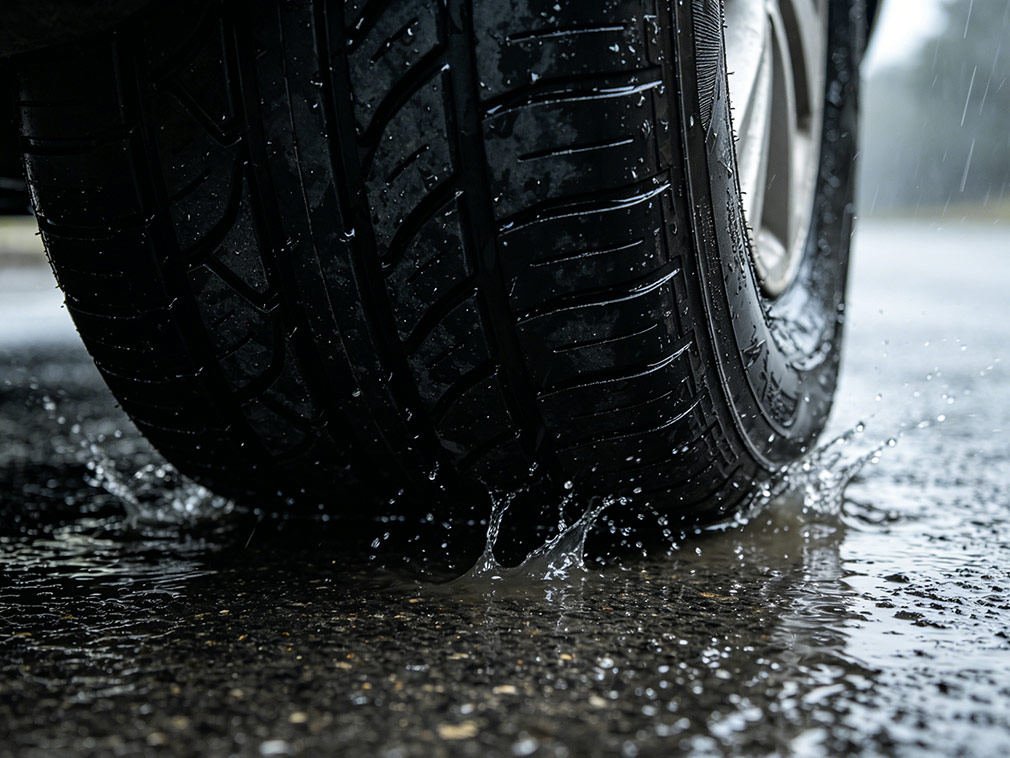
The softness and conformability of the tire compound directly determine wet grip performance: a softer tread rubber better conforms to the fine texture of a wet road surface, quickly piercing the water film, increasing the effective contact area and friction, thereby shortening wet braking distance and improving driving stability.
Meanwhile, the hydrophilic reinforcing materials added to the formula help optimize drainage and adhesion properties, further improving driving safety on wet and slippery roads, and are an important guarantee for driving in rainy weather.
The performance triangle formed by rolling resistance, tread wear, and wet grip is characterized by the fact that these three performances are mutually restrictive and difficult to optimize simultaneously. Any adjustment to the tread formula will have a ripple effect: increasing rubber hardness to reduce rolling resistance often weakens tread adhesion, leading to a decrease in wet grip, and an overly hard tread lacks resilience under complex road conditions, easily resulting in accelerated localized wear.
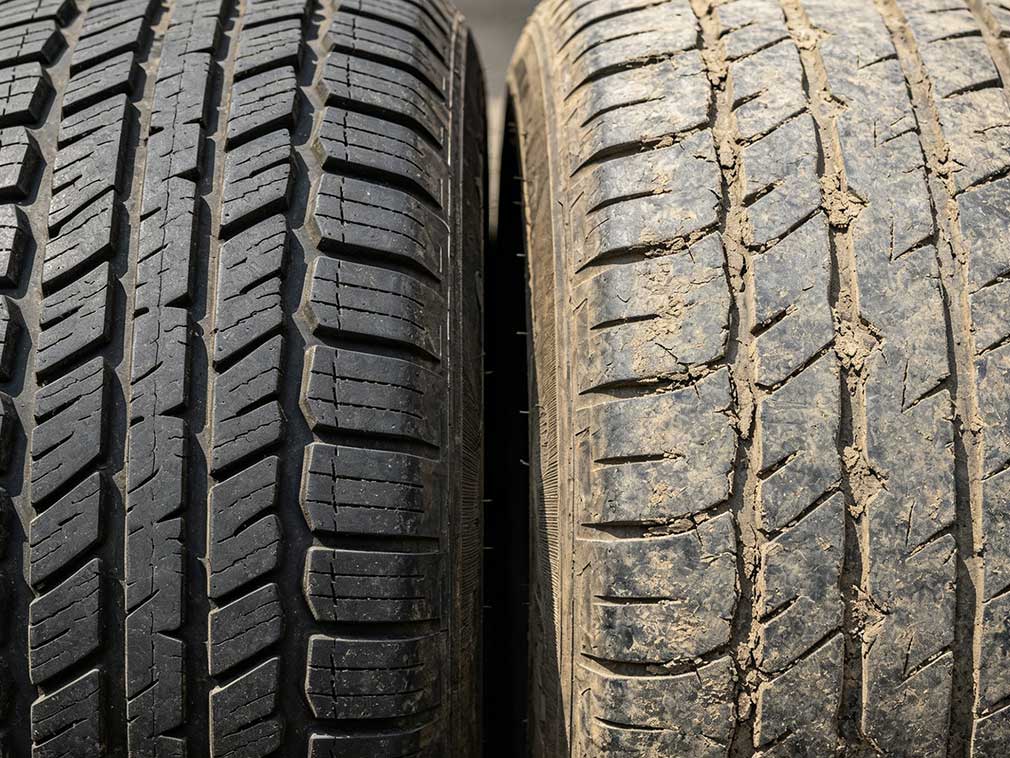
If a high-elasticity soft formula is used to enhance wet grip, it will increase tire deformation loss, increase rolling resistance and vehicle energy consumption, and the soft rubber's weak wear resistance will shorten tire life; if wear resistance is the primary goal and a high-hardness formula is used, although it can extend life and slightly reduce rolling resistance, wet grip performance will be significantly weakened, reducing driving safety in rainy weather.
With the iterative upgrades in tire material technology, the industry is gradually breaking through traditional performance boundaries by optimizing rubber molecular structure, adding new nano-reinforcing fillers, and improving compound formulation processes, seeking a better balance among the three performance aspects.
Modern mainstream civilian tire formulations no longer simply pursue breakthroughs in a single performance aspect, but rather consider fuel efficiency for daily commuting, wear resistance for long-term use, and safety under complex weather conditions, minimizing the negative impacts of performance trade-offs to meet the diverse driving needs of ordinary car owners. This is precisely the core direction of current tread compound research and development.
-
National Day Highway Charging Hits Record: +60.4% YoY(Oct 8)8264
-
New Energy Vehicle Exports Accelerate: 3.435 Million Units in First 8 Months, Up 120% Year-on-Year(Oct 8)8882
-
Chinese Tire Exports: Volume Up But Revenue Down Nearly RMB 900 Per Ton(Oct 8)5408
-
CNH Industrial: Smart Farming, NE and Local Tech(Sep 30)5575
-
CNHTC Drives Surging NE Heavy Truck Exports(Sep 30)8500




