Used-Car Transactions Approach New-Car Levels; Residual Values of NEVs Recovering Fast(Nov 11)
November 11, 2026
CNAUTO
5516
Guide
Highlights at a glance
In the first half of 2026, the used-car market reached 9.713 million transactions, marking a nearly 1:1 ratio to new-car sales amid declining new-car purchases. Young buyers represented 41% of the used-car segment, and central and western China drove market growth. The automotive price war over recent years led to price depreciation, but government intervention has recently stabilized the market, boosting both new- and used-car prices. Residual values are increasingly determined by actual vehicle condition and technology generation, marking a significant shift in pricing logic. Digital platforms and efficient turnover processes are giving leading dealers a competitive edge. Discover how these trends are shaping the future of the car industry and the growing market concentration dynamics.
Used Vehicles
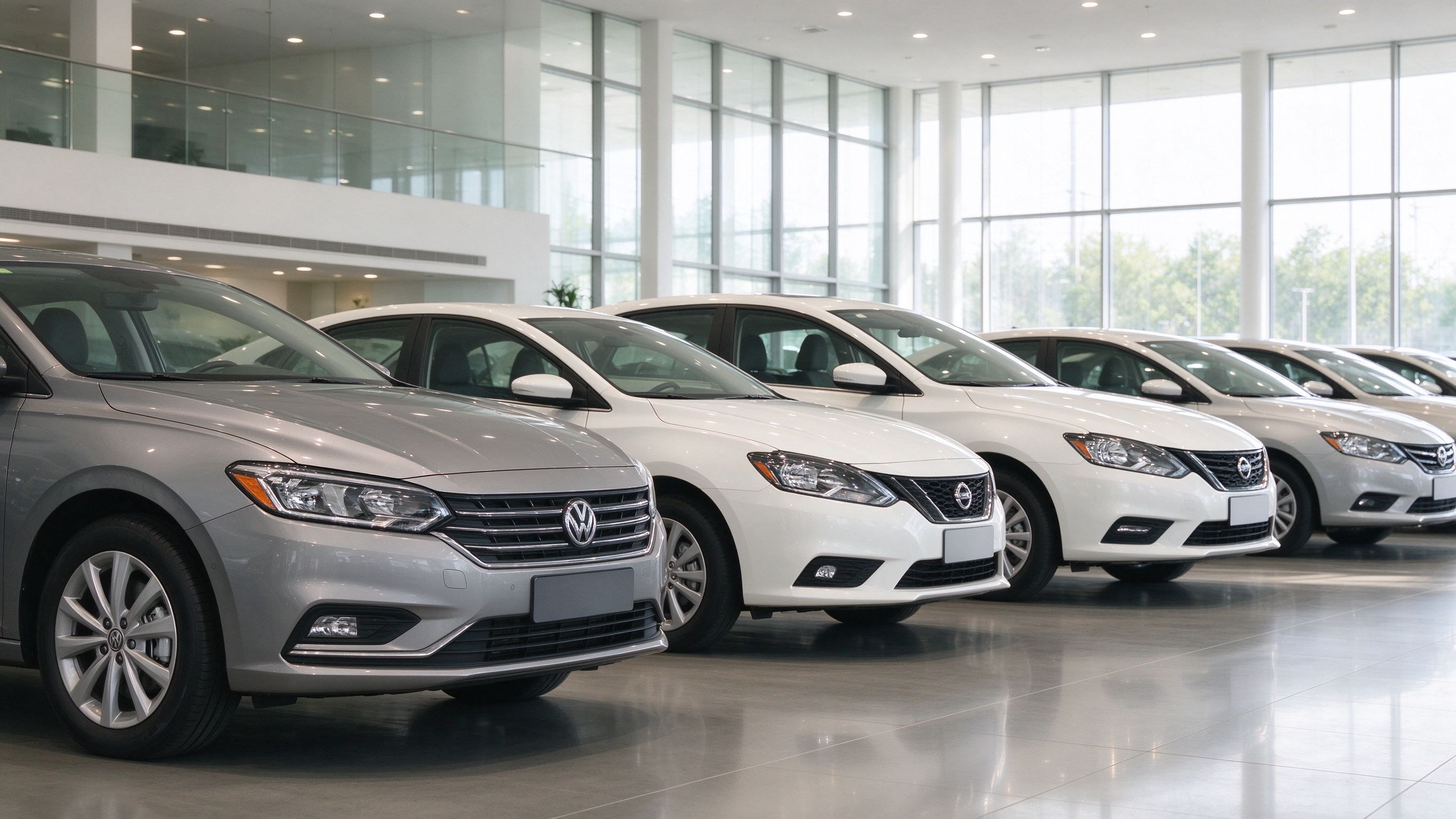
Cover image: used-car showroom (illustrative, no text)
Used-Car Transactions Approach New-Car Levels; Residual Values of NEVs Recovering Fast
Data show that in the first half of 2026, used-car transaction volume reached 9.713 million units, up 1.5% year on year, while the ratio of used-car to new-car sales hit 0.98, a record high. This rise was driven mainly by a 21.1% year-on-year decline in new-car sales rather than explosive growth in the used-car market itself. Young buyers accounted for 41% of purchasers, the cross-regional circulation rate rose to 41.6%, and central and western China became the main source of incremental volume.
Recent institutional research notes that the price war is reshaping industry logic: new-car price cuts pulled the used-car price index down 23% over four years. After the Ministry of Industry and Information Technology moved to halt disorderly price competition, however, the new-car price index has rebounded, and used-car transaction prices stabilized in September. The research suggests that demand for nearly-new vehicles that was previously diverted may flow back, supporting transaction volume stabilization in the second half of the year.
The focus of residual-value pricing has shifted from brand to vehicle condition and technological generation. The residual-value gap between models one year old has narrowed to 2.5 percentage points, underscoring the pattern that newer models remain viable to operate, while older models carry risk. Dealers are increasingly diverging: leading players that rely on digital selection and turnover capabilities show stronger earnings resilience, and the trend toward rising industry concentration is clear.
This platform focuses on the import and export of Chinese automotive equipment, gathering hundreds of certified Chinese automotive suppliers and connecting with global buyers. The platform achieves full transaction transparency, expands diverse cooperation opportunities, and helps both domestic and foreign parties build deep and stable cooperation bonds. Whether you are looking for vehicle manufacturers, purchasing automotive parts, or need customized procurement solutions, CNAUTO is your trusted first choice for cooperation.
Recommended for you
-
Smart Agricultural Machinery Gains Momentum, Bringing New Vitality to the Fields(Nov 11)8630
-
A New Round of Tire Price Hikes Grows Markedly Larger(Nov 11)7108
-
Used-Car Transactions Approach New-Car Levels; Residual Values of NEVs Recovering Fast(Nov 11)5516
-
Smart Agricultural Machinery Accelerates, Bringing New Vitality to the Fields(Nov 10)5783
-
Concentrated Overseas Rubber Arrivals in Early November Weigh on Prices(Nov 10)5313